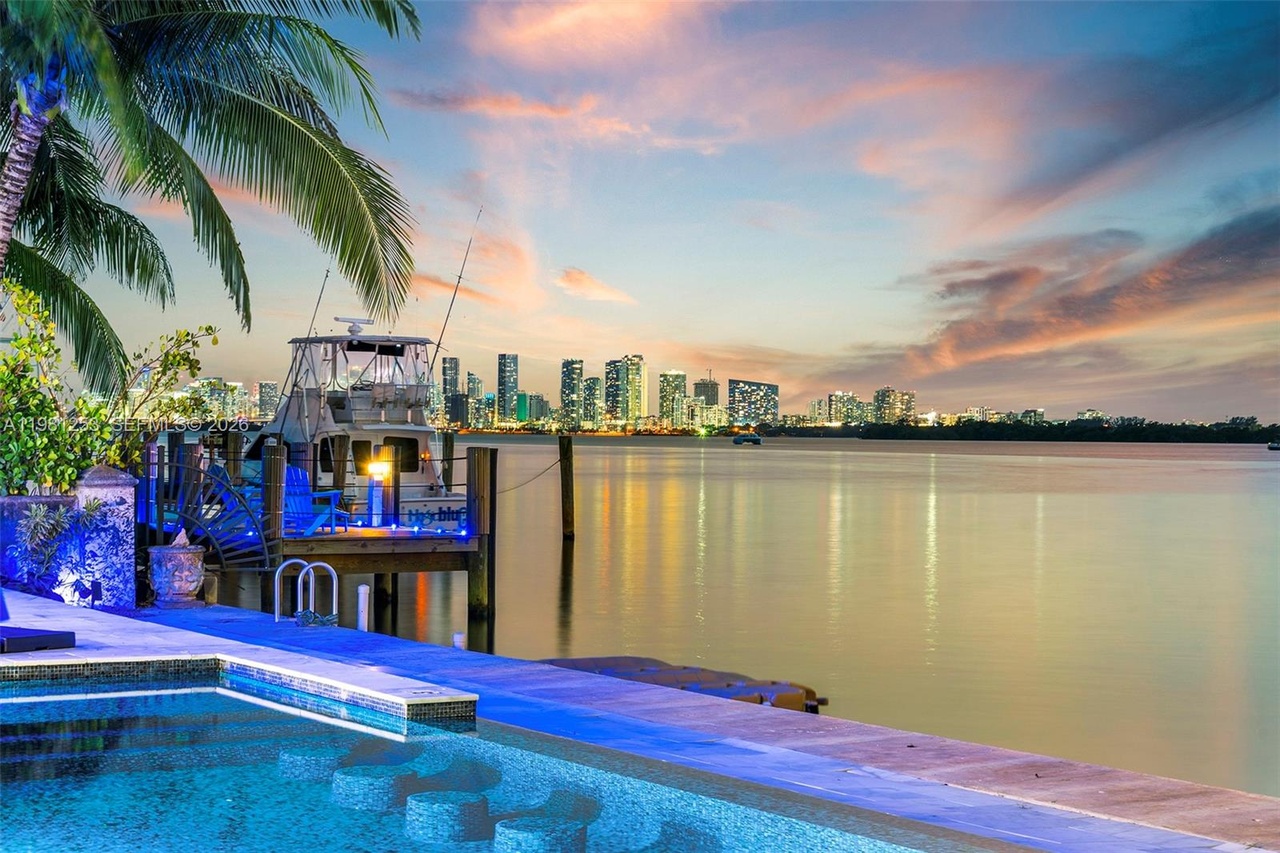
Tropical Interior Design: Lush Luxury for Warm-Climate Homes
Resort Living at Home
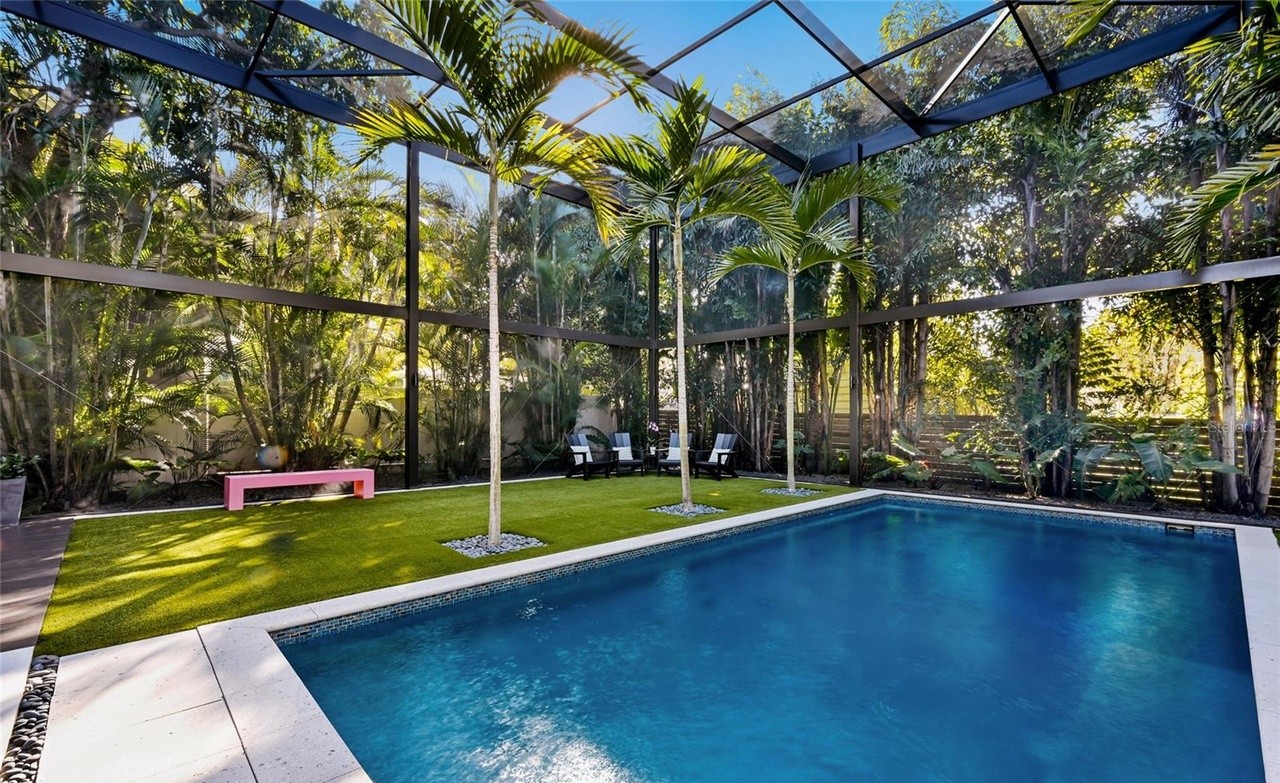
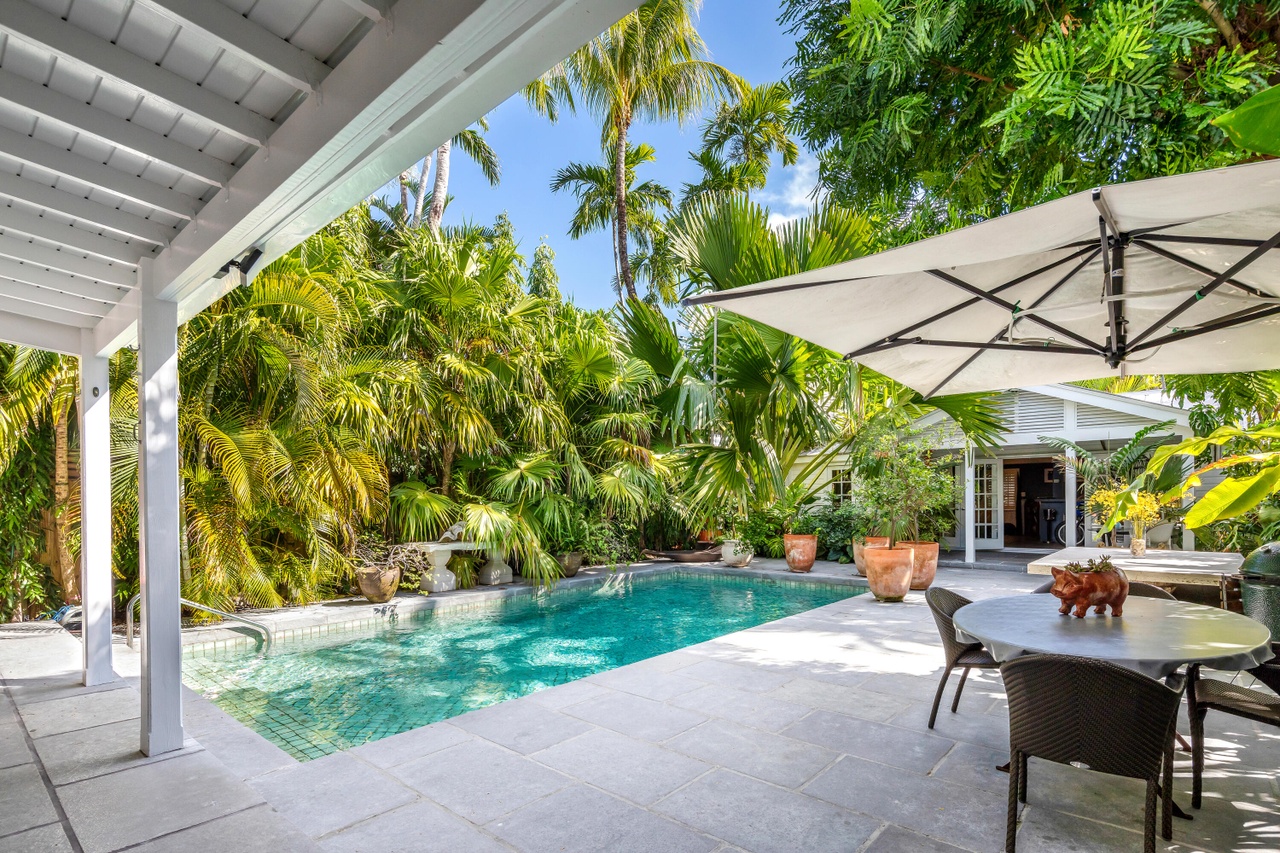
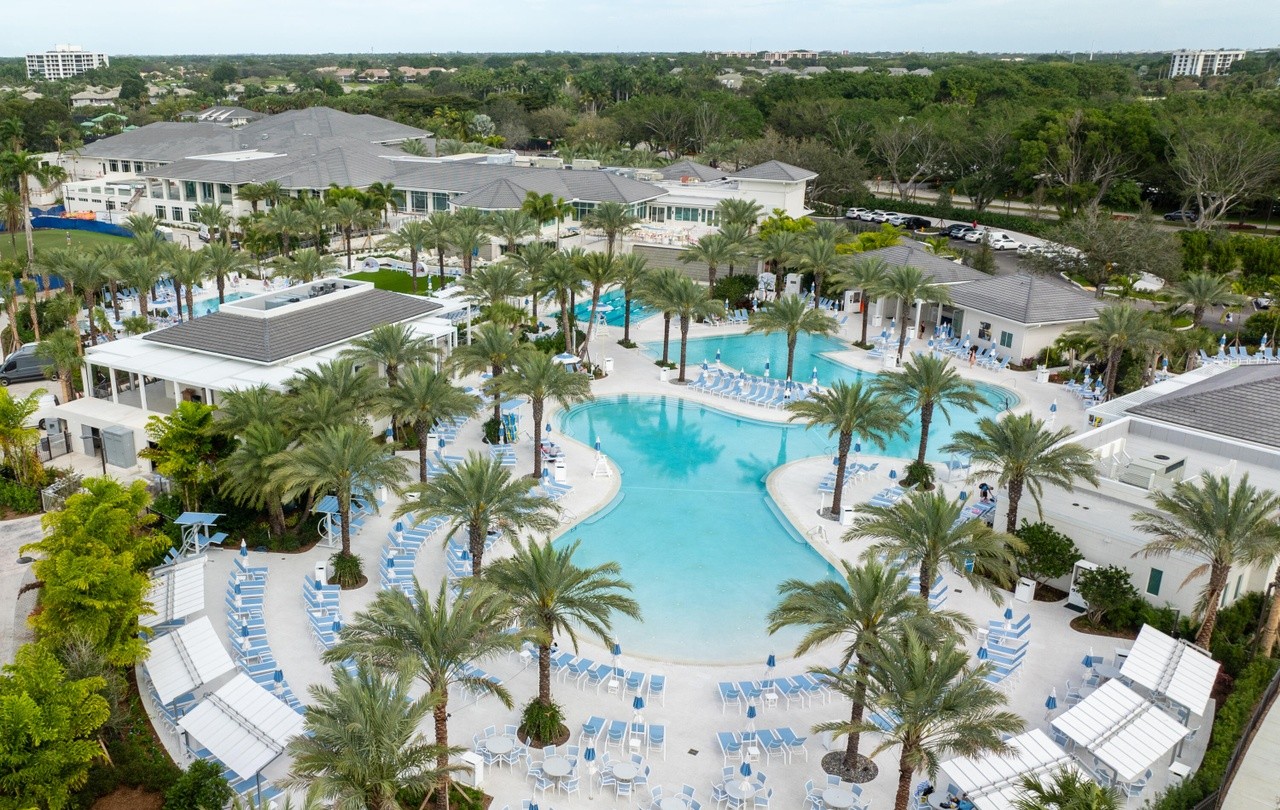
Tropical design draws from the world's best resort architecture — Bali, Hawaii, the Caribbean — and adapts it for residential living. The core principle is dissolving the boundary between inside and outside: open floor plans, retractable walls, covered outdoor rooms, and lush plantings that blur where the garden ends and the house begins.
In luxury homes, tropical design has matured beyond tiki bars and banana-leaf prints. It's now about natural materials, dramatic scale, and a curated relationship with landscape.
Materials and Textures
Wood is the dominant material — teak, mahogany, bamboo, and rattan in structural and decorative applications. The wood should feel warm and alive: natural finishes that show grain, visible joinery, and handcrafted details.
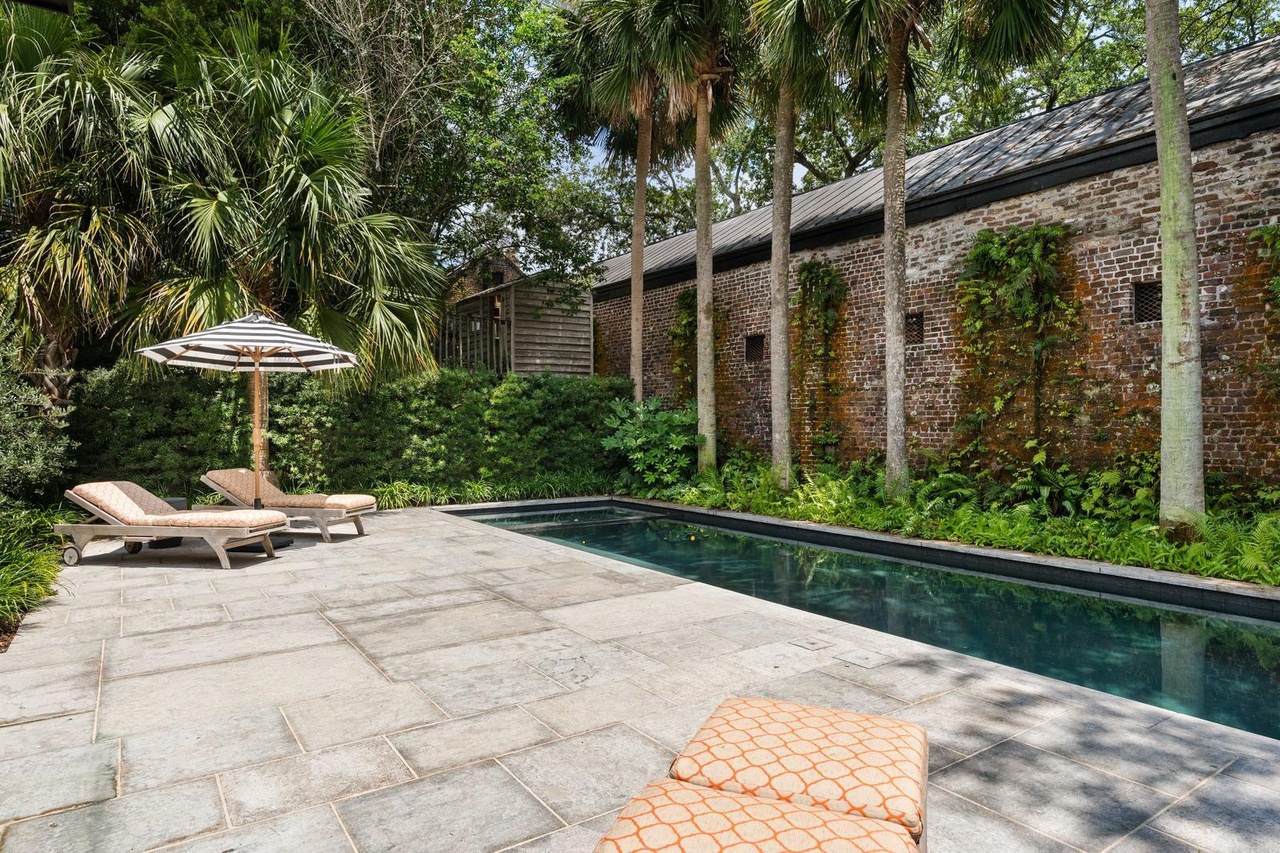
Stone grounds the palette: travertine, coral stone, or polished concrete floors that stay cool underfoot. Natural fiber textiles — linen, cotton, jute — keep upholstery breathable and relaxed.
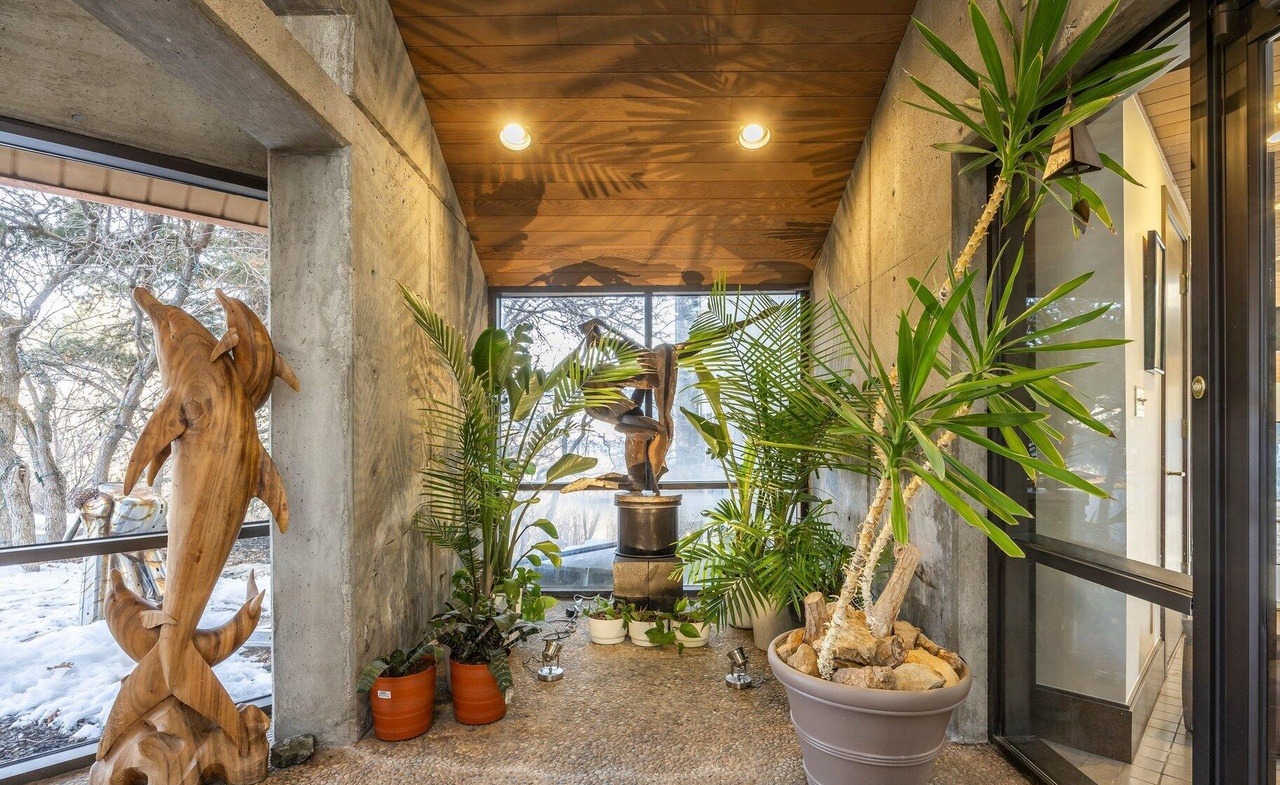
The plant game matters. Tropical interiors need real plants — fiddle leaf figs, birds of paradise, monstera, palms — in scale with the architecture. A single large specimen plant does more than a dozen small pots.
Making It Work Outside the Tropics
You don't need to live in Miami to pull off tropical design. The key is applying the principles selectively: warm natural materials, generous plants, and an emphasis on natural light work anywhere. Indoor-outdoor living can happen through a well-designed screened porch, a sunroom, or simply large windows with lush garden views.
In cooler climates, layer in warmer textiles (wool throws, heavier drapes) while keeping the tropical material palette. The warmth of teak and rattan reads as inviting in any season.