Organic Modern Interior Design: The Complete Guide
What Is Organic Modern Design?
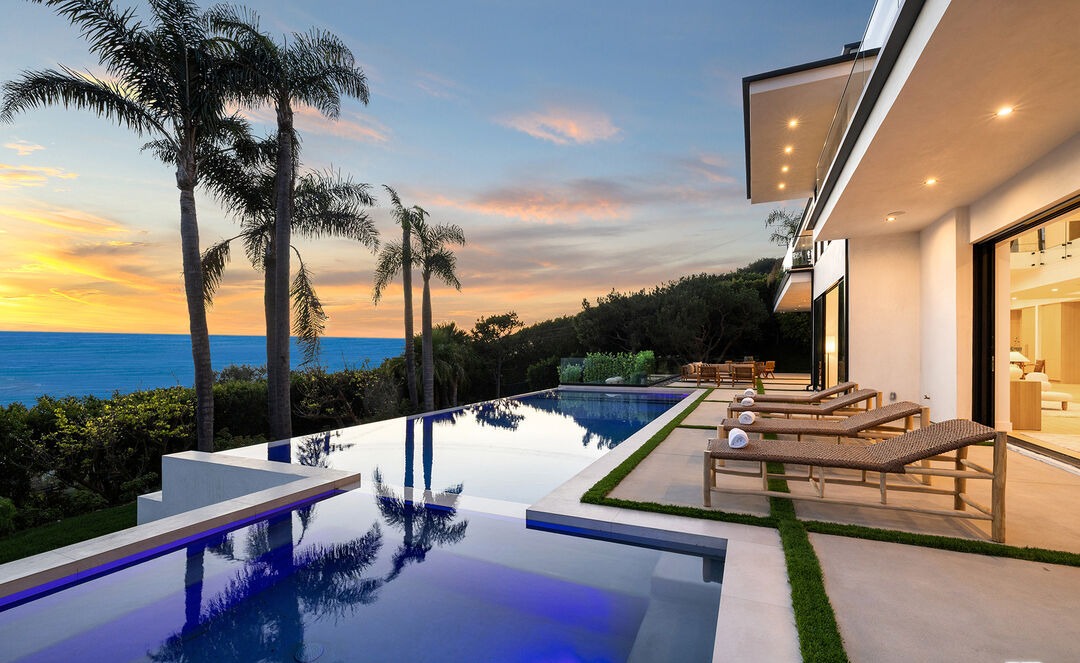
Organic modern is the intersection of minimalist architecture and natural warmth. It takes the clean lines and open spaces of modernism and softens them with natural materials, earthy color palettes, and organic textures. The result is a space that feels both sophisticated and grounded.
The style has exploded in popularity over the past five years, driven by designers like Jeremiah Brent, Amber Lewis, and Studio McGee. It resonates because it solves the core tension in contemporary design: how to create a space that looks polished without feeling cold.
The Five Pillars of Organic Modern
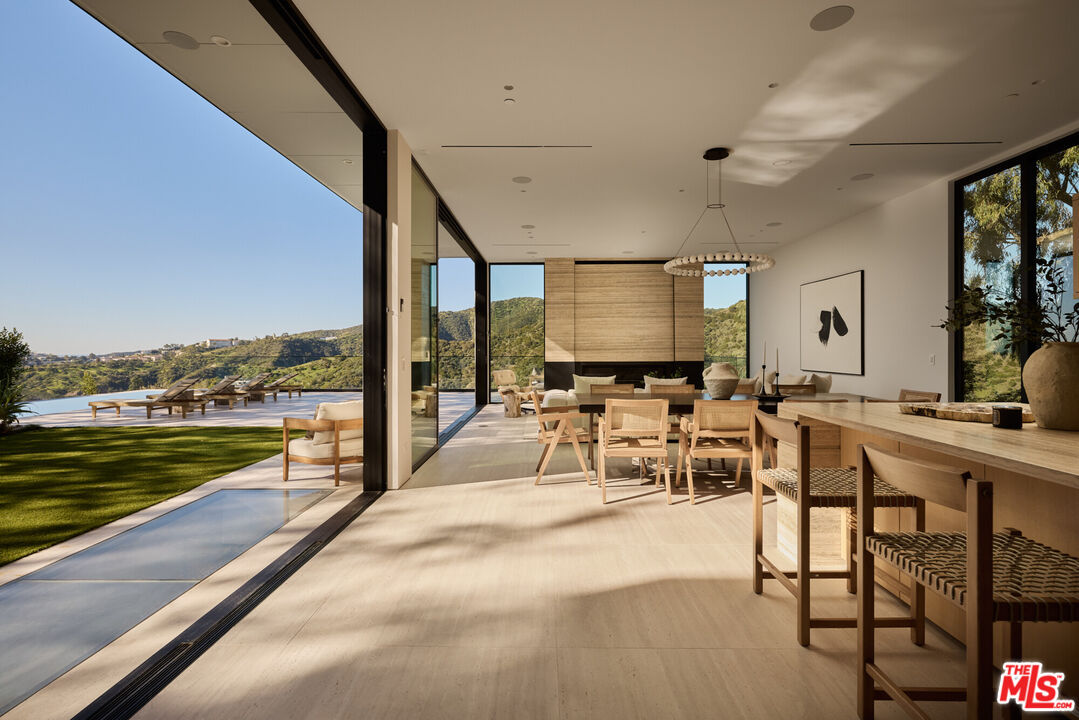
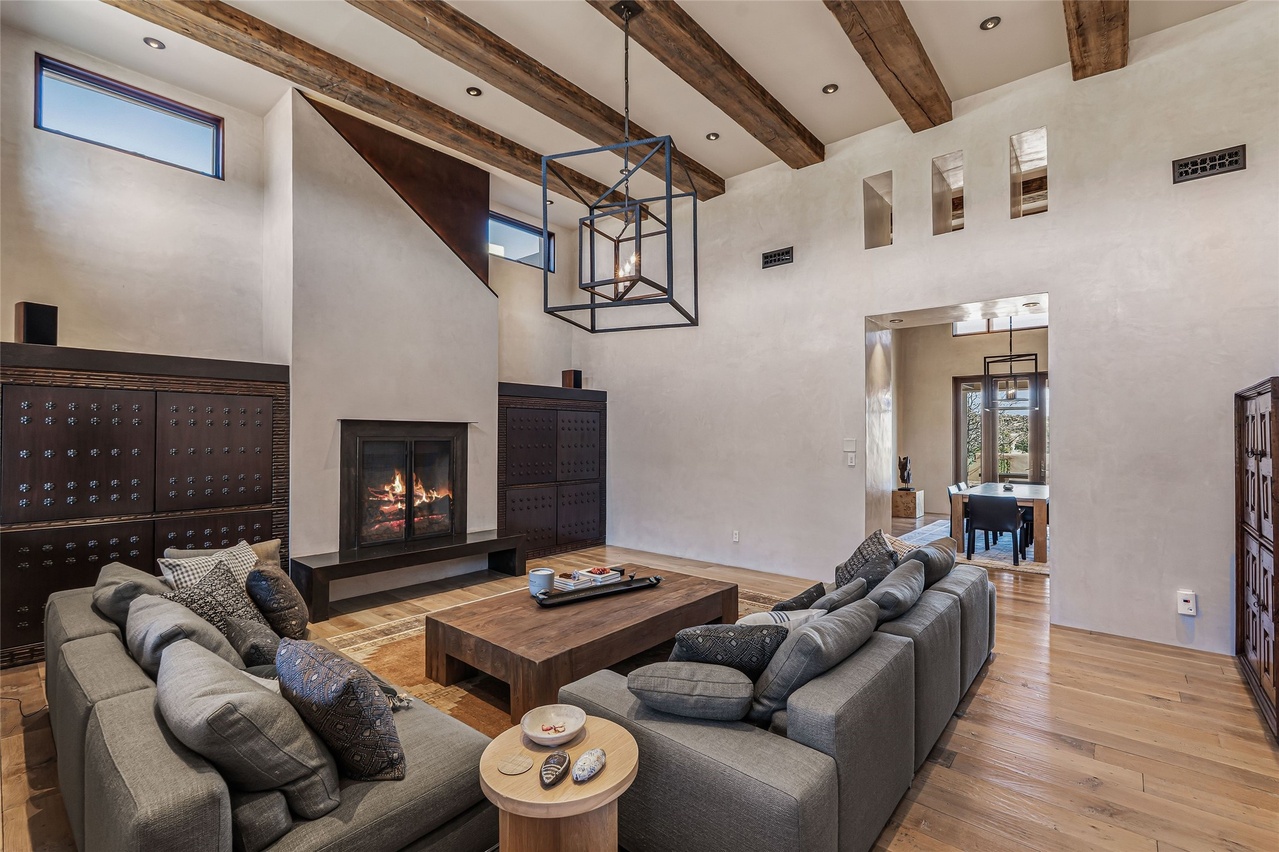
Natural materials are the foundation. Wood (especially white oak and walnut), stone (marble, travertine, limestone), and natural fibers (linen, wool, jute) replace synthetics and high-gloss finishes. Every surface should have texture you want to touch.
A warm, muted palette anchors the space. Think warm whites, sand, taupe, olive, and charcoal. No bright accent walls, no bold primaries. Color comes from the materials themselves — the grain of the wood, the veining in stone, the natural variation in handmade tile.
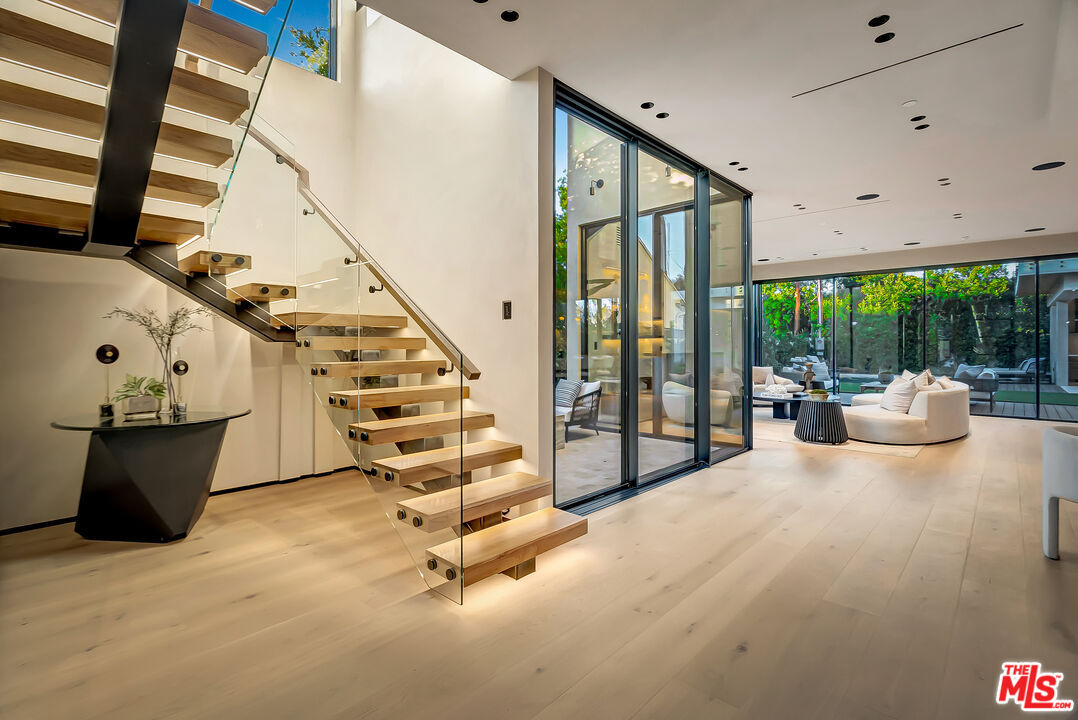
Clean architectural lines provide structure. Organic modern is still modern — straight lines, minimal trim, flush details. The organic materials do the decorating; the architecture stays disciplined.
Negative space is intentional. Every piece earns its place. This isn't maximalism softened with wood — it's restrained curation where each object matters.
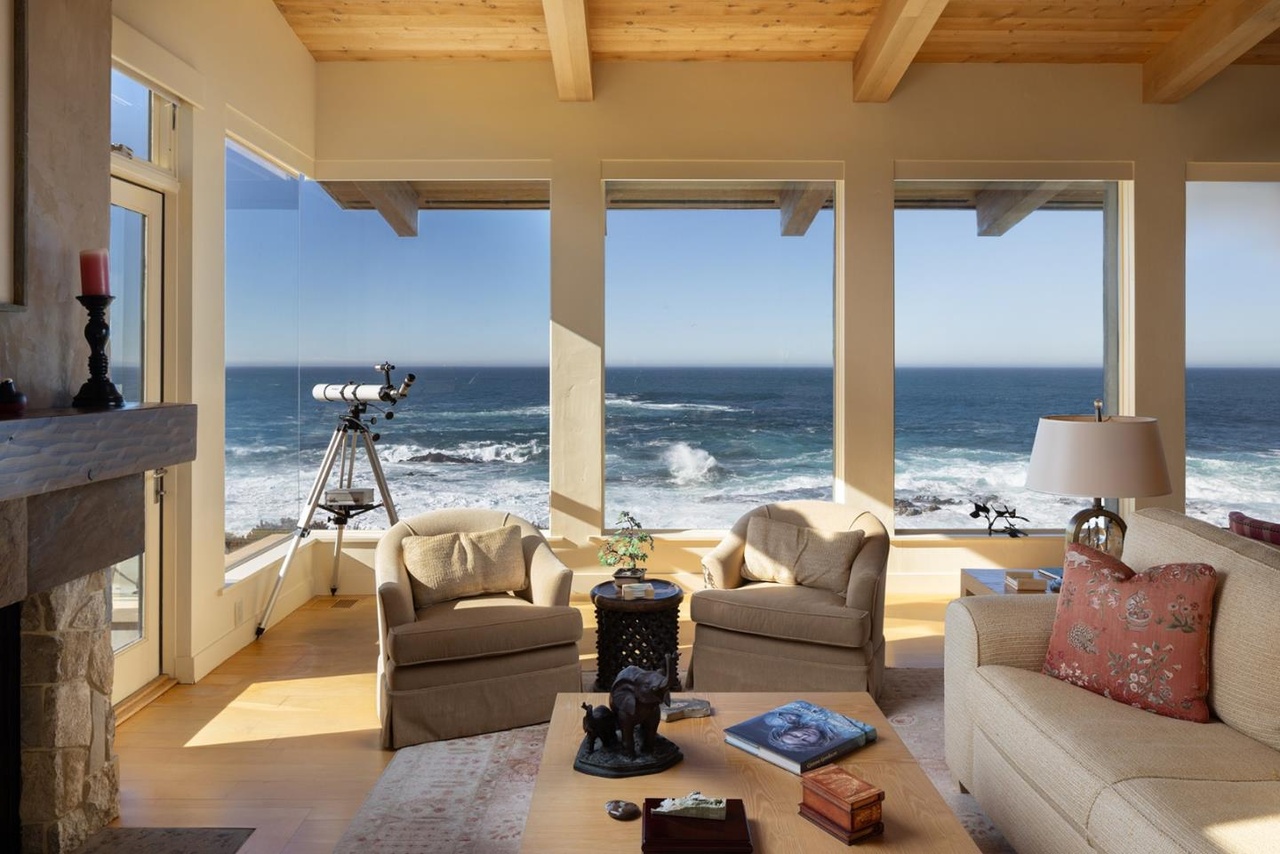
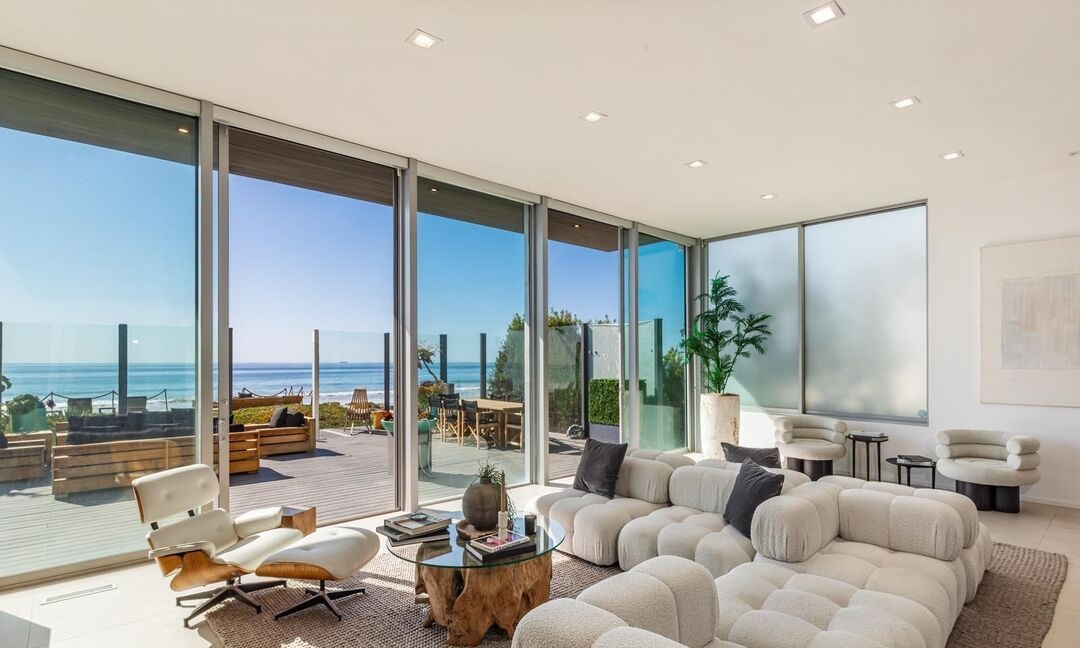
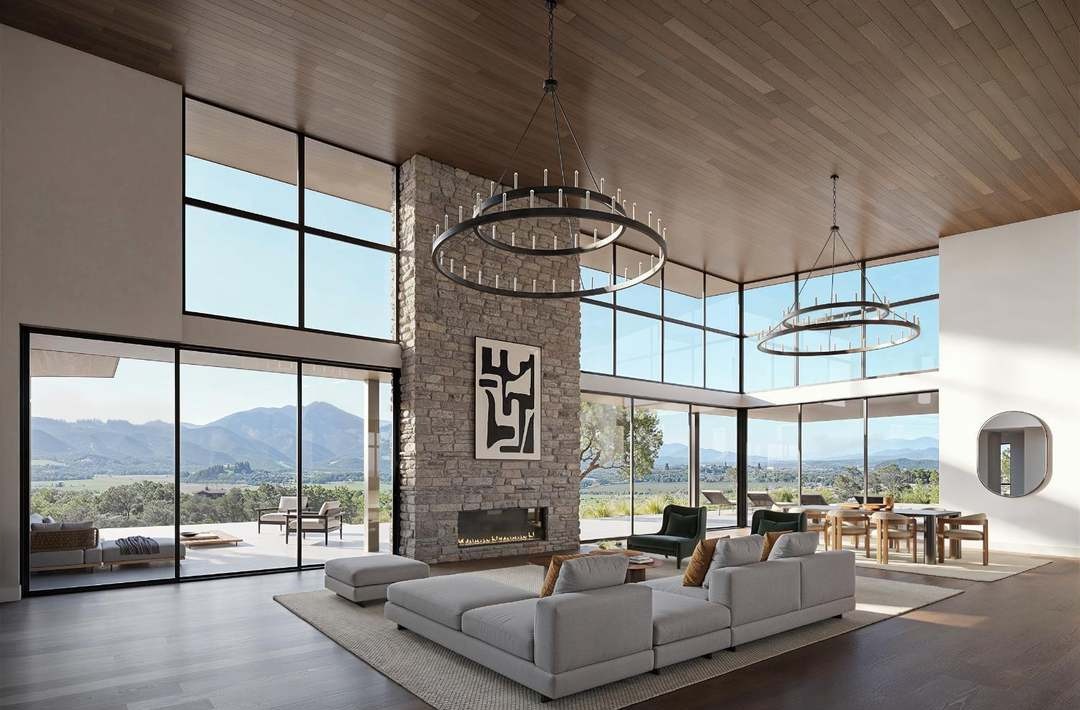
Natural light is a design element. Large windows, minimal window treatments, and light-reflective surfaces make daylight part of the palette.
Room by Room
In kitchens, organic modern means white oak cabinetry, natural stone counters, and minimal upper cabinets to keep the space open. Hardware is typically brushed brass or matte black — nothing shiny.
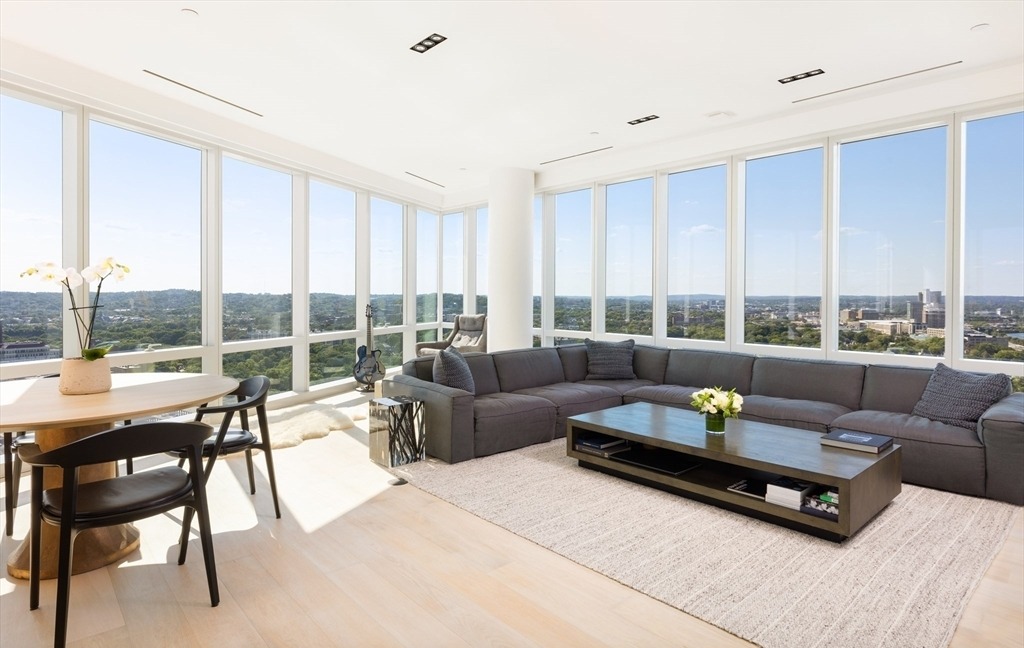
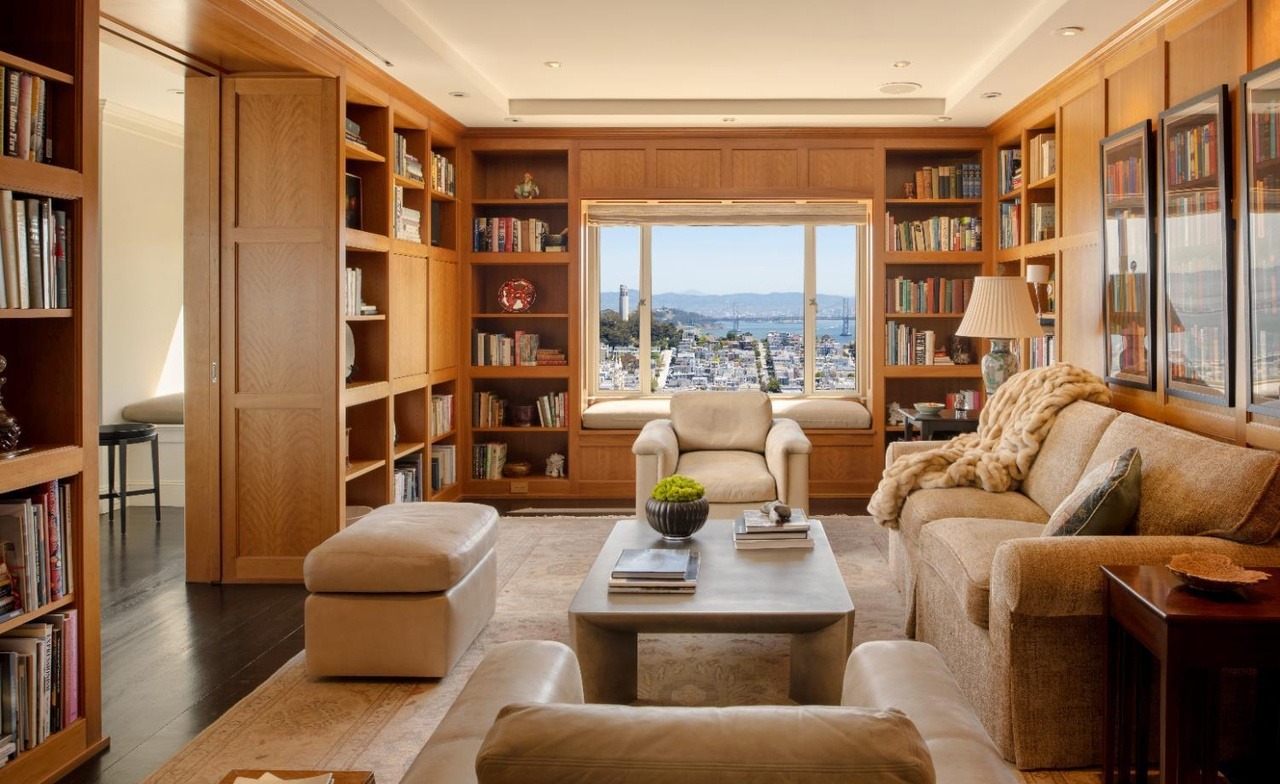
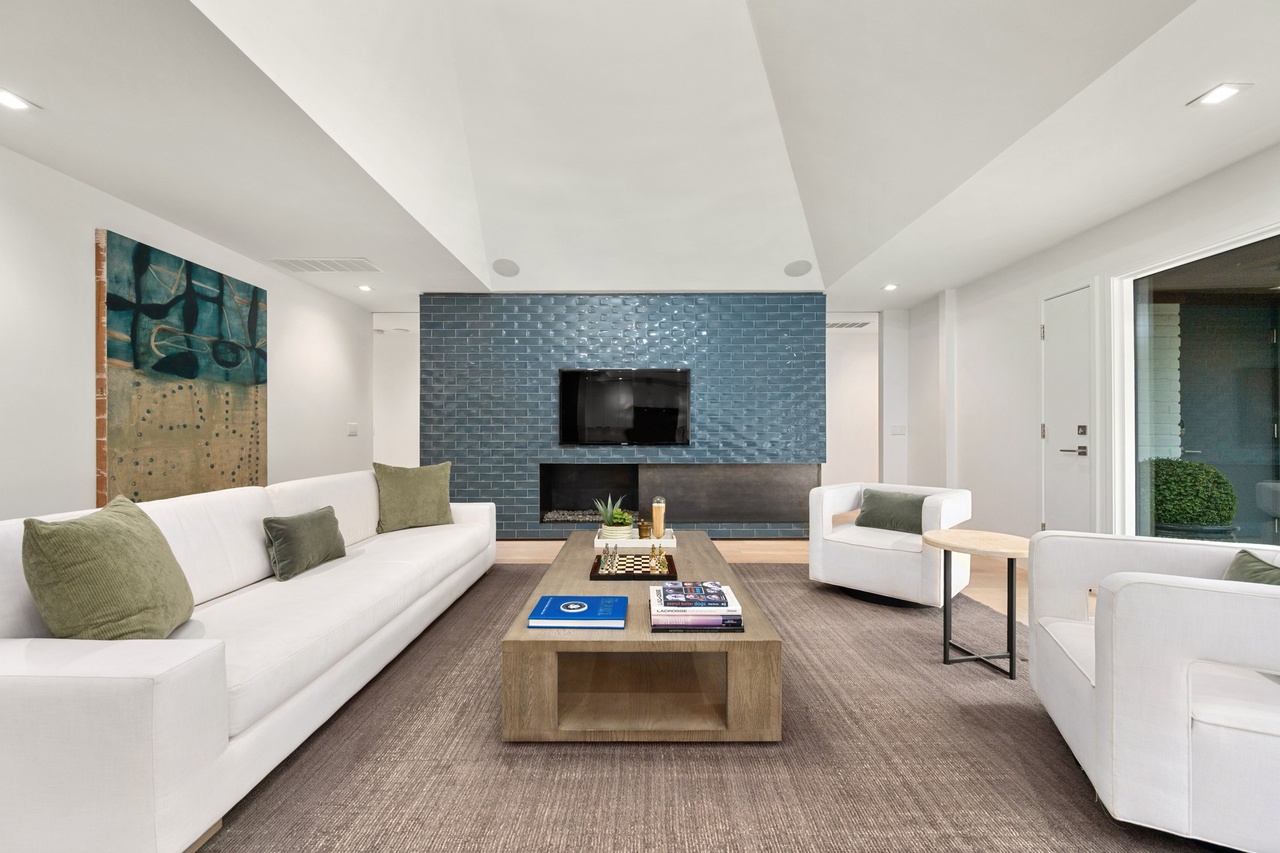
In living rooms, the style centers on low-profile furniture with clean lines, layered neutral textiles, and a mix of wood and stone surfaces. A statement piece — a sculptural coffee table, an oversized pendant — provides a focal point without cluttering.
Bathrooms lean into spa-like minimalism: freestanding tubs, walk-in showers with large-format stone, floating vanities in natural wood. The material palette does all the work.
Common Mistakes to Avoid
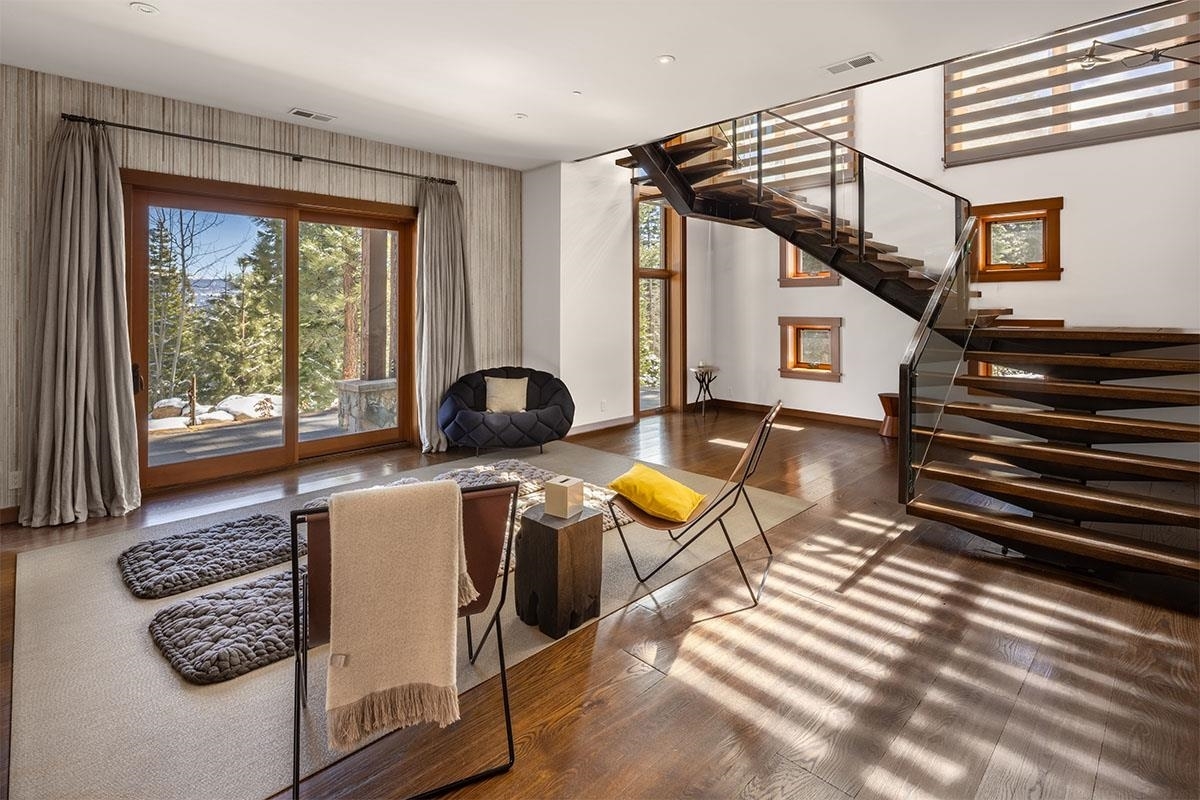
Going too beige. Organic modern needs contrast — a dark accent (black window frames, deep wood tones, charcoal stone) prevents the space from reading as bland.
Overdoing the accessories. The temptation is to add organic-shaped objects everywhere — curved vases, woven baskets, dried pampas grass. A few well-chosen pieces work; ten don't.
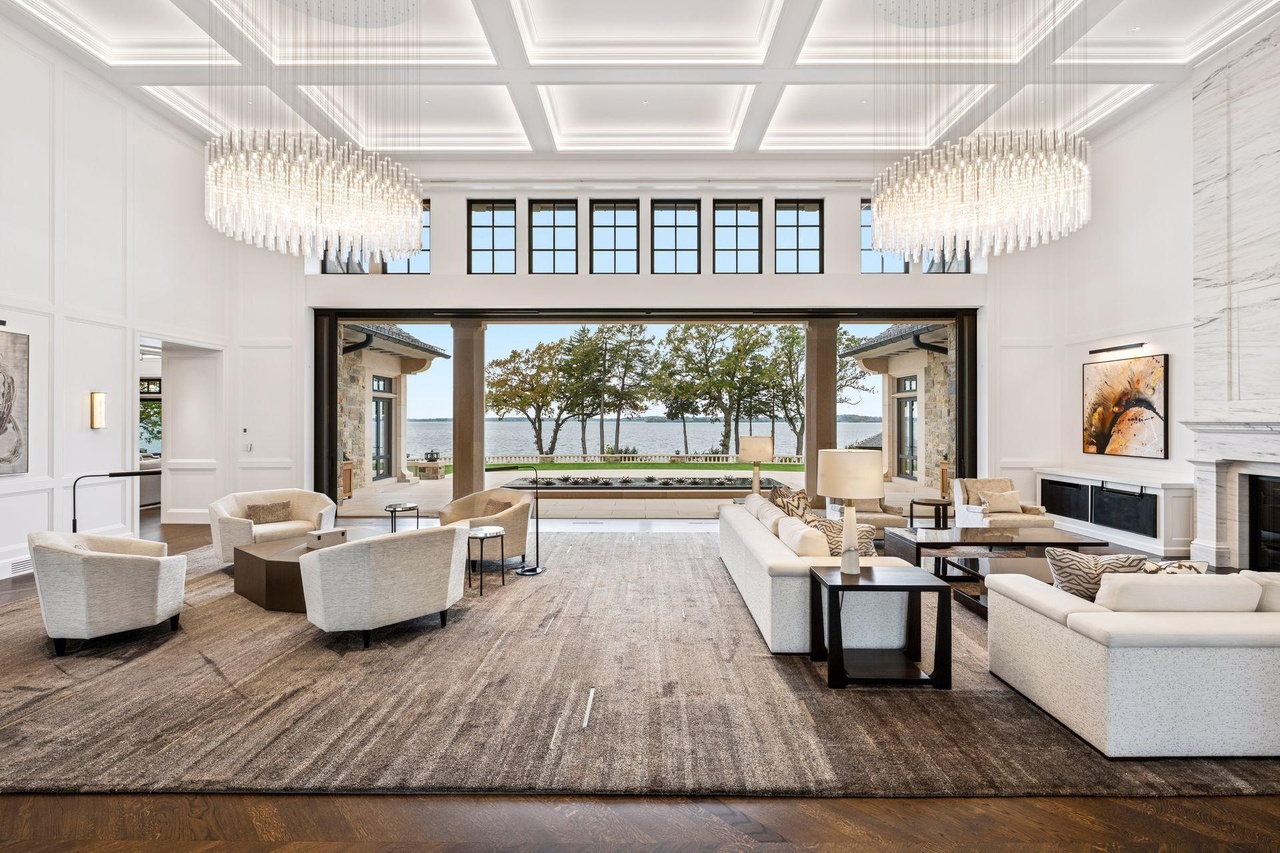
Ignoring scale. The clean lines of organic modern require furniture that's proportioned to the space. Undersized pieces in a large room break the illusion of considered design.