Minimalist Bathroom Design: Less as the Ultimate Luxury
Minimalism Requires Better Materials
A minimalist bathroom with cheap materials looks unfinished. A minimalist bathroom with exceptional materials looks intentional and luxurious. That's the paradox: minimalism demands more investment per surface, not less.
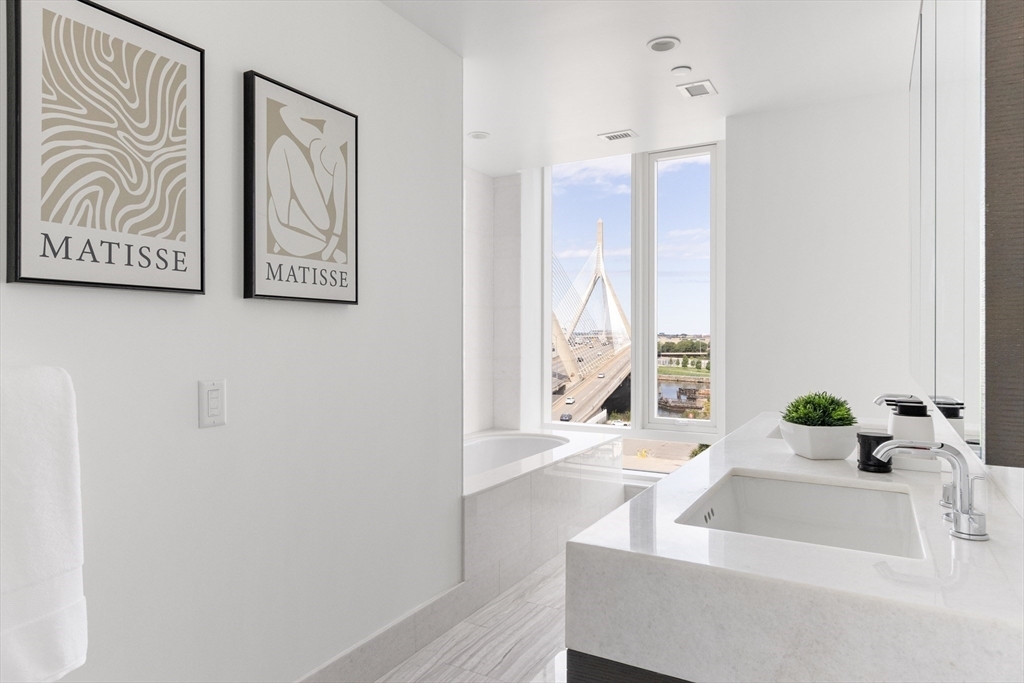
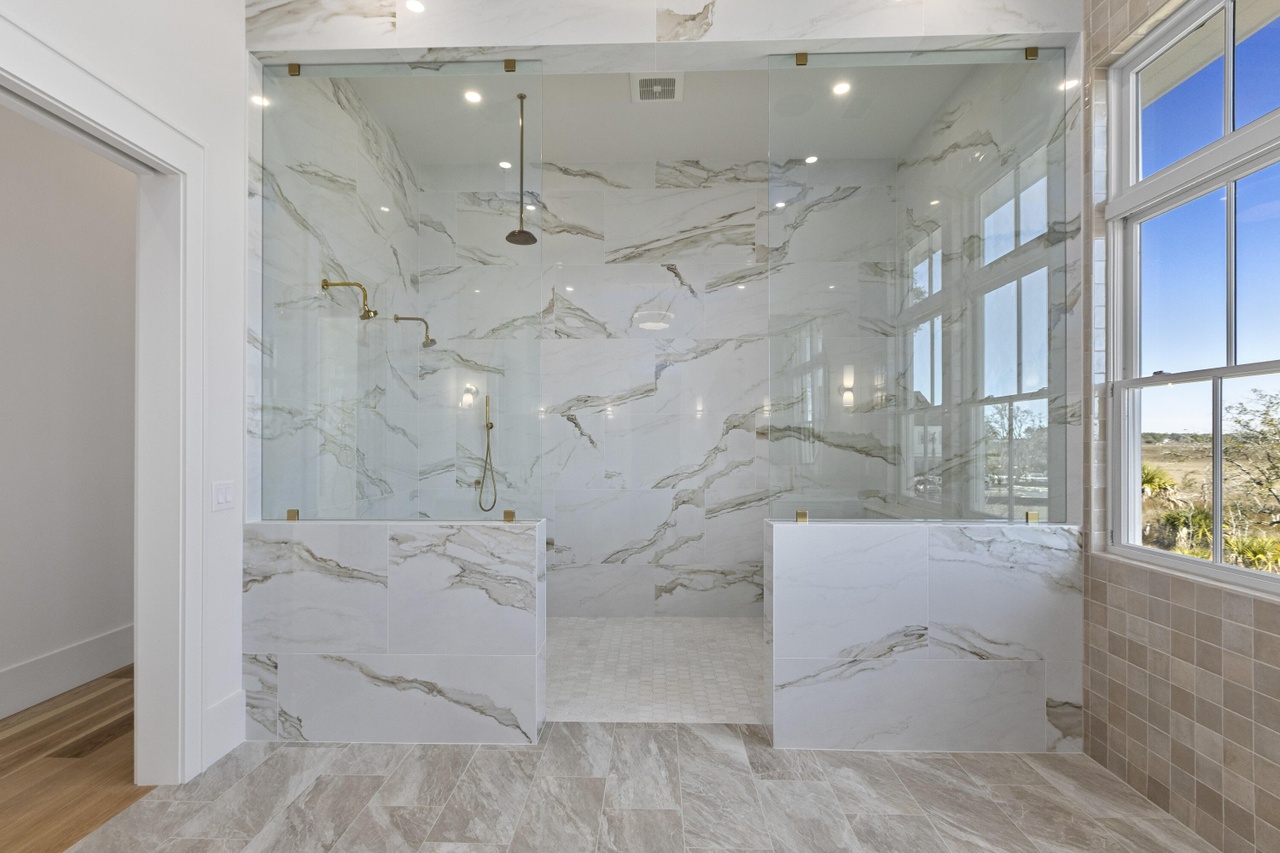
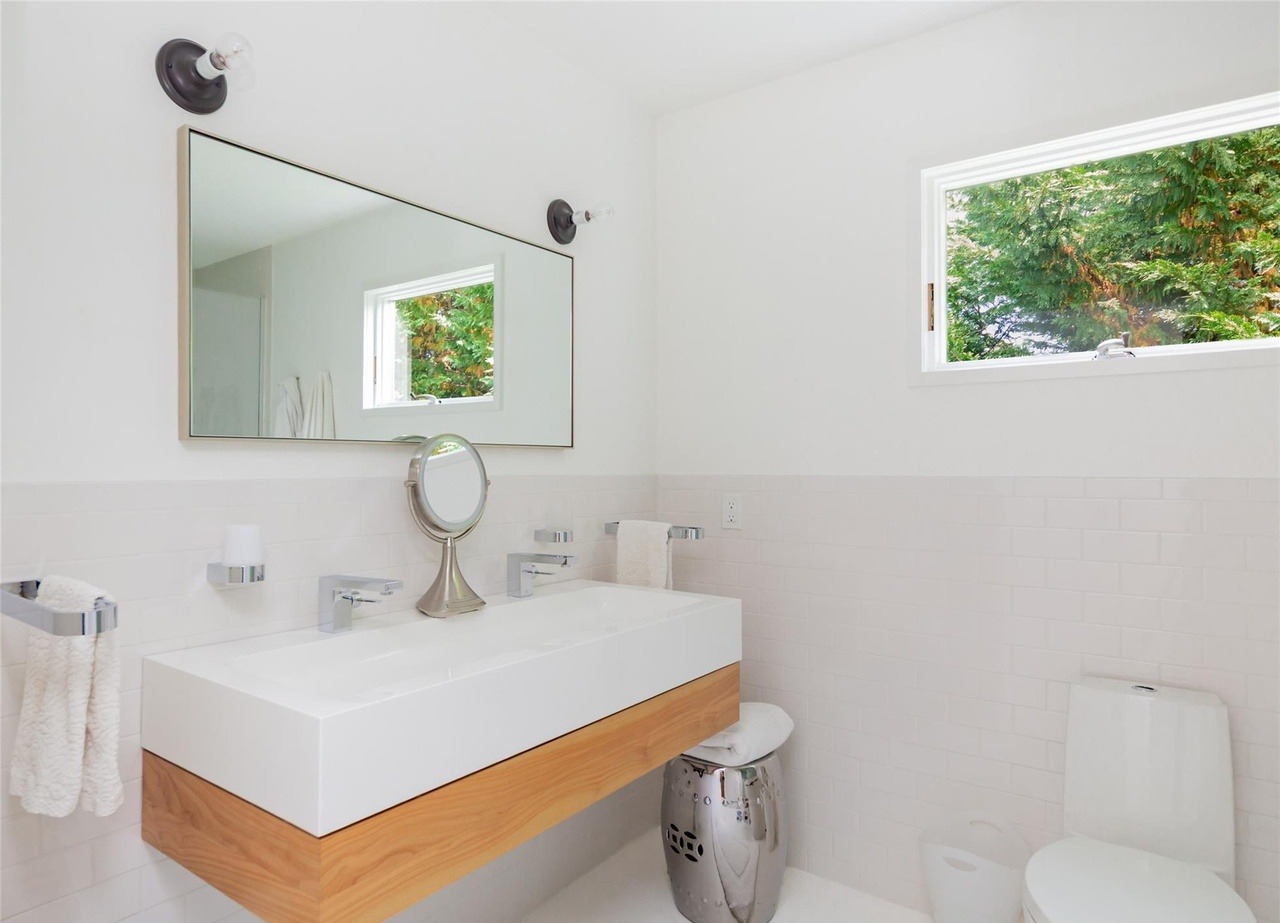
When there are only four or five surfaces visible — floor, walls, vanity, fixture, glass — each one is fully exposed with nowhere to hide. The grain of the wood, the veining in the stone, the finish on the faucet all have to be excellent.
The Essentials, Perfected
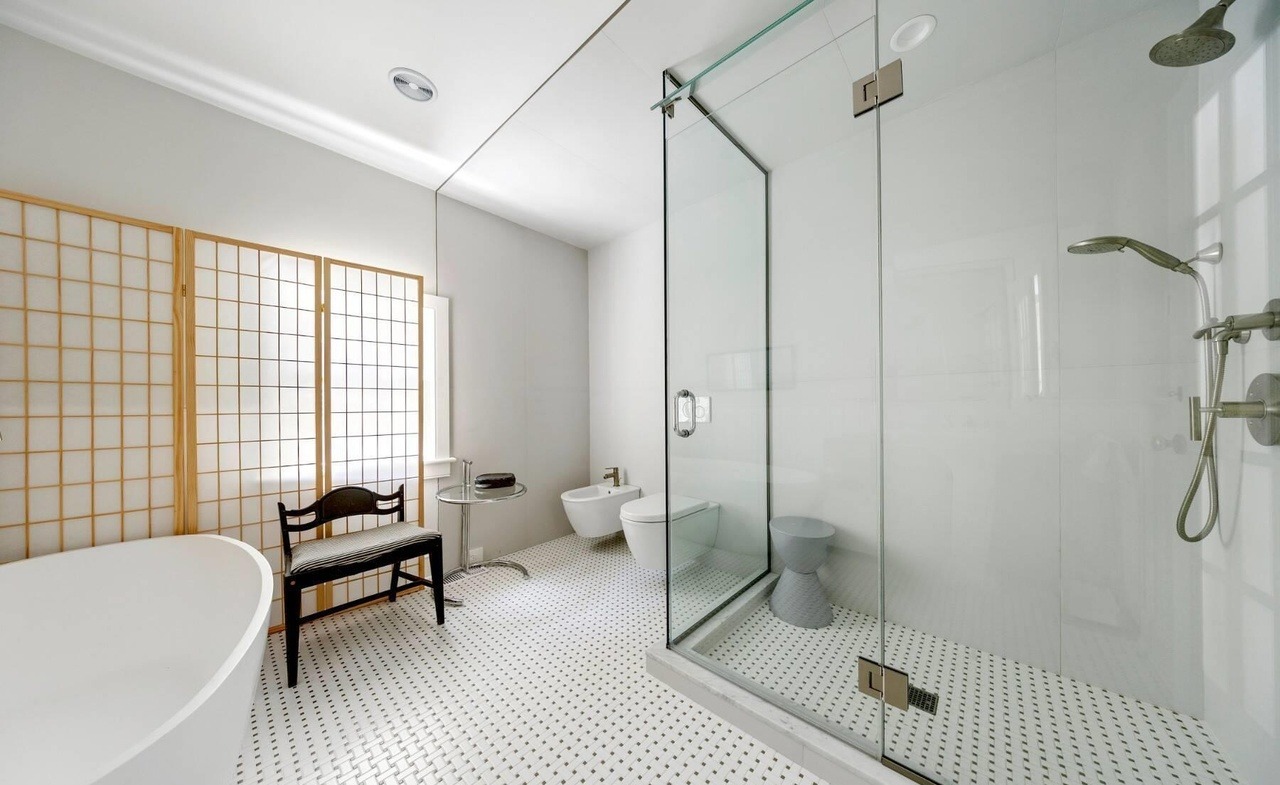
A floating vanity in natural wood with an integrated stone top. A frameless glass shower with a single rainfall head, no handle or knob visible. A wall-mount toilet with concealed tank. A backlit mirror that provides ambient and task lighting in one. Every element serves a function and is executed at the highest level.
Storage is the hidden challenge. Minimalist bathrooms need extensive concealed storage — medicine cabinets recessed into walls, vanity drawers with organizers, a linen closet nearby. The minimalism that you see is supported by organization you don't see.
The Color of Silence
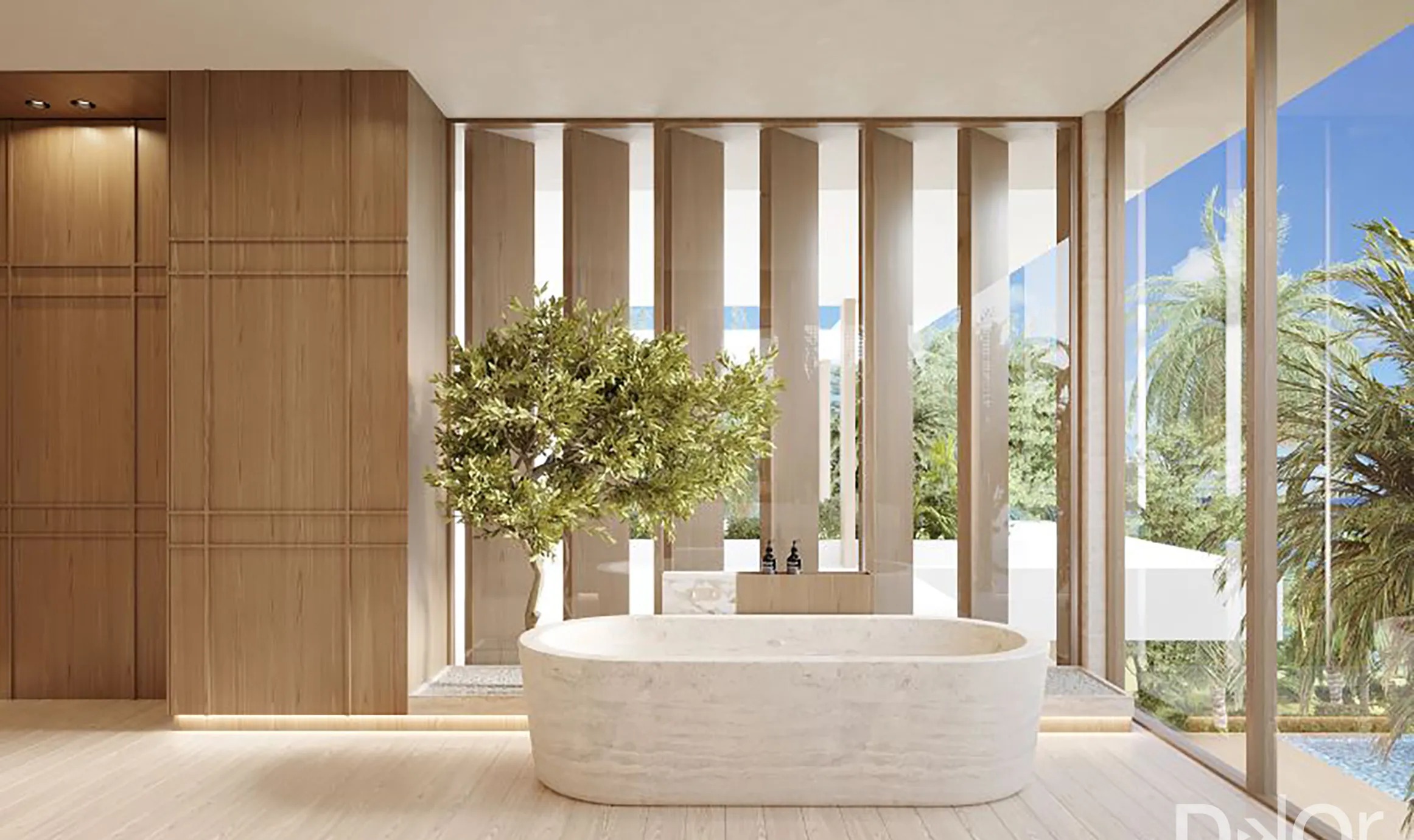
Minimalist bathrooms work in two palettes: warm (cream, sand, light wood, warm gray) and cool (pure white, concrete gray, black accents). Both rely on monochromatic layering — variations of the same hue across different materials and textures.
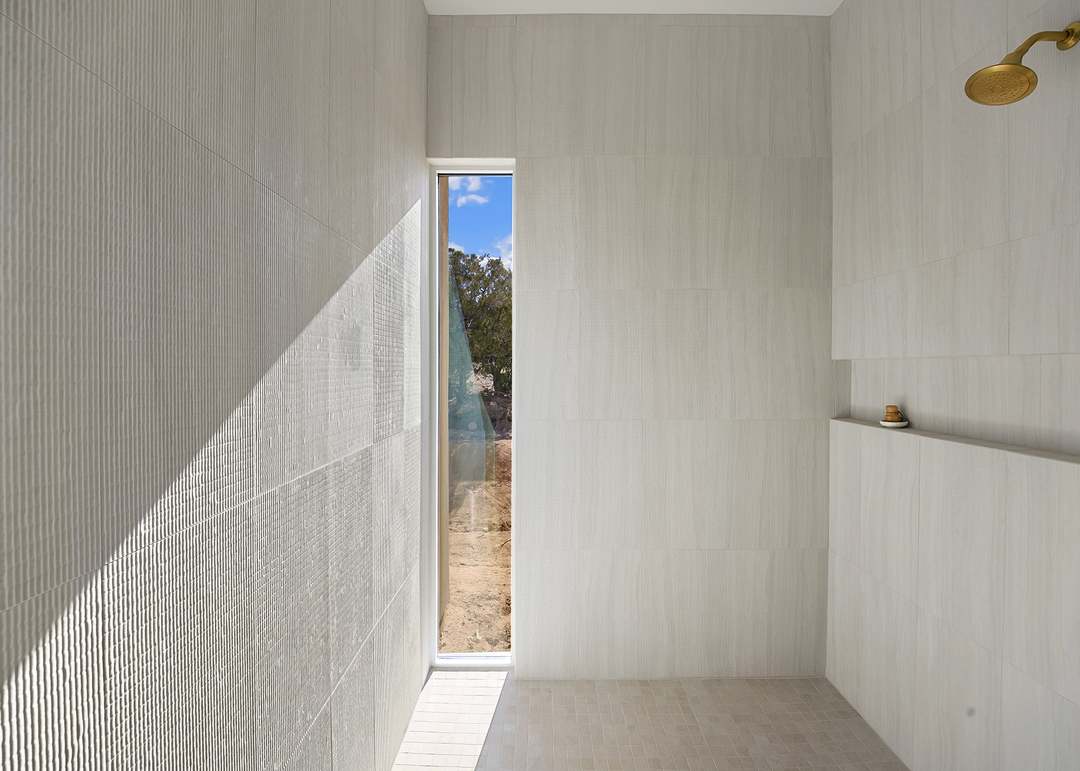
Avoid the all-white trap. Without material variation, a white minimalist bathroom looks like a hospital. Layer warm whites with cool whites, matte with honed, plaster with stone. The subtle differences between surfaces create the visual interest that color provides in other styles.