Mediterranean Interior Design: Old World Warmth for Modern Living
Why Mediterranean Endures
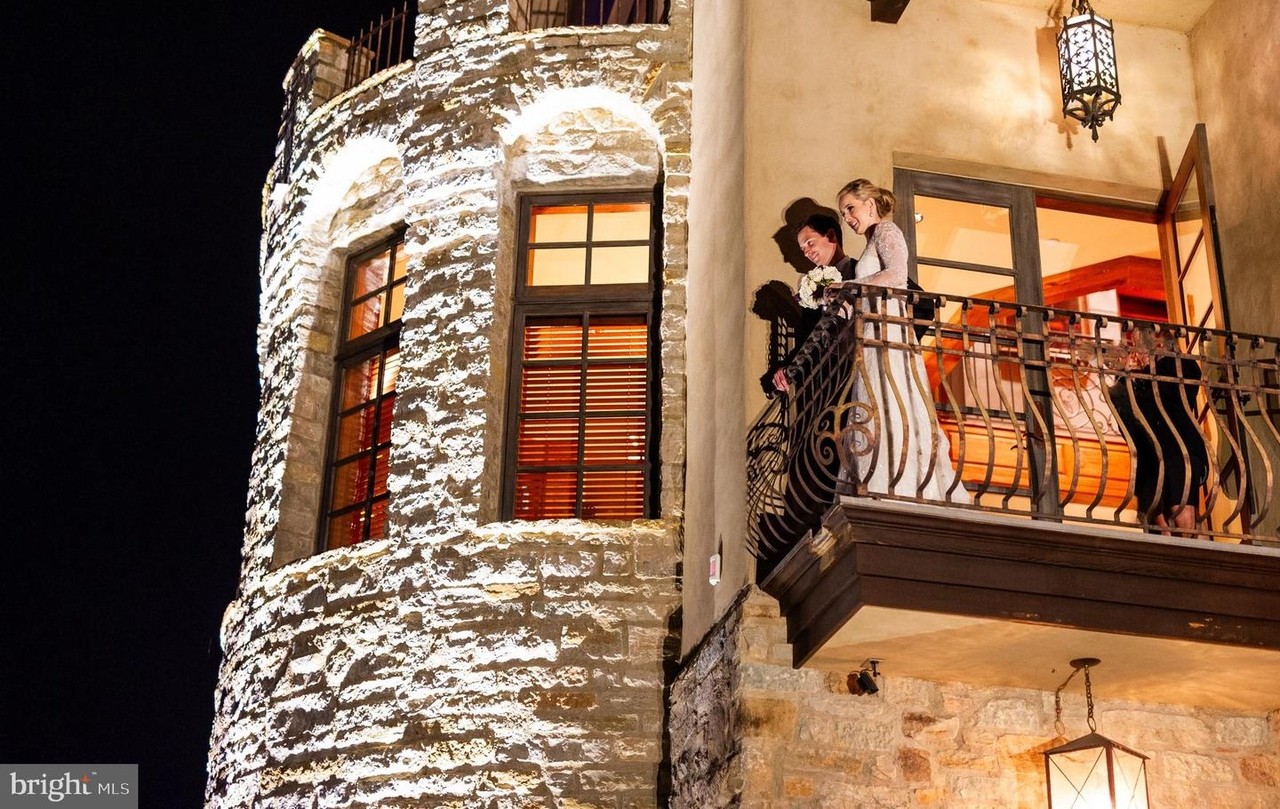
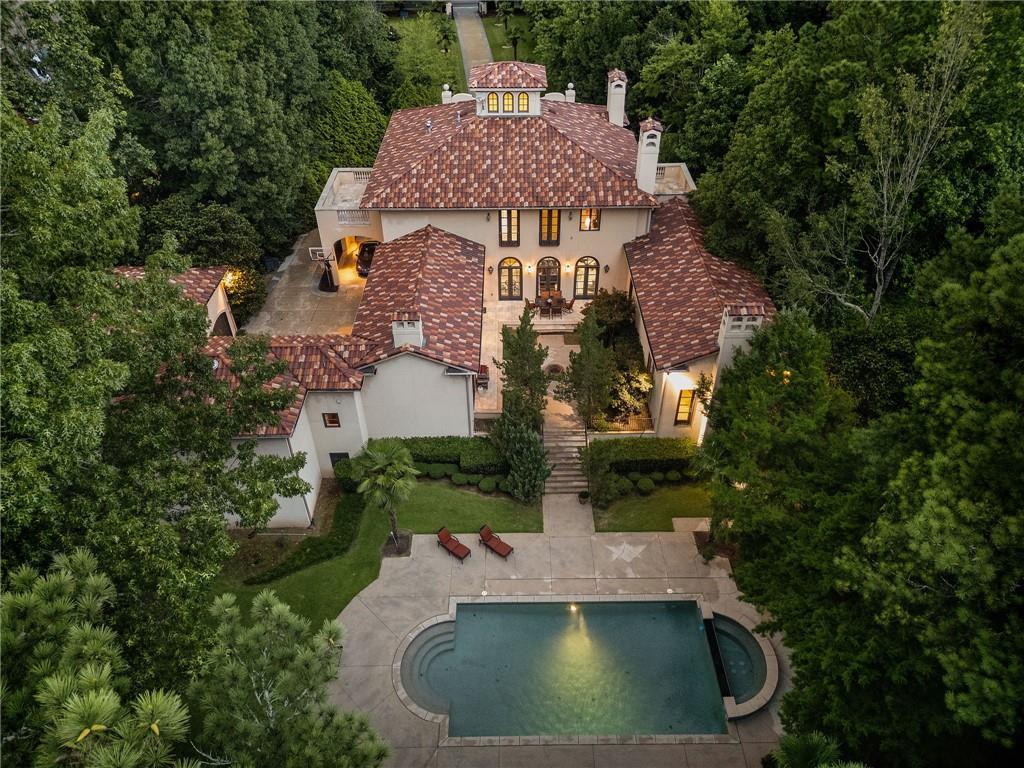
Mediterranean design draws from the villa traditions of Italy, Spain, and Southern France — cultures that have been building beautiful homes for centuries. The style endures because it solves a universal desire: spaces that feel warm, lived-in, and connected to history without being museum-like.
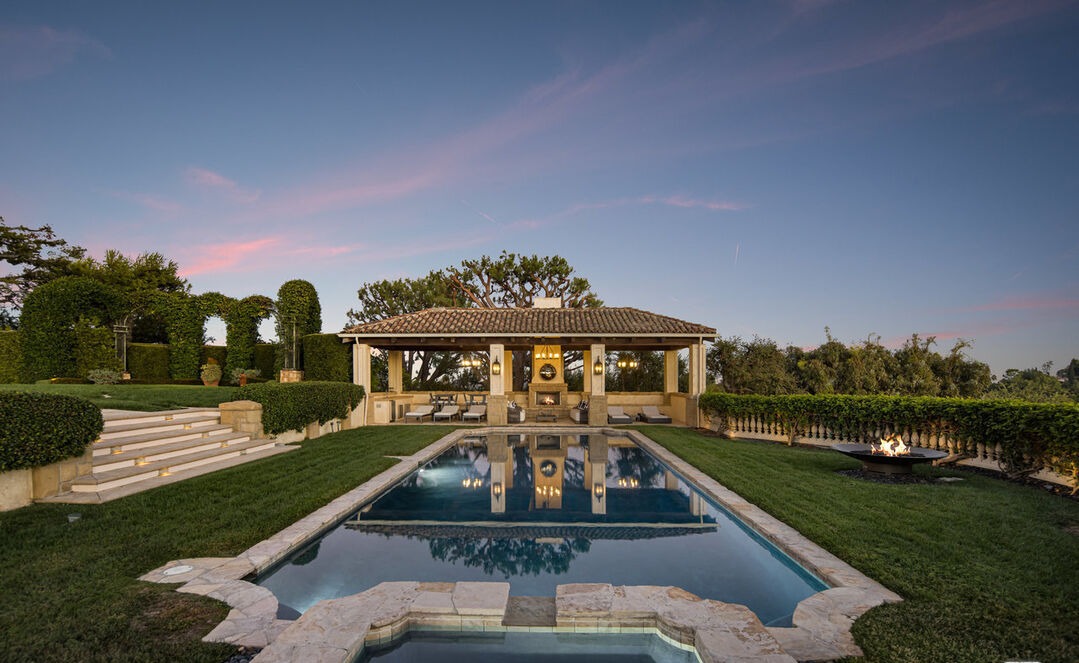
In American luxury homes, Mediterranean design ranges from literal interpretations (clay tile roofs, arched openings, wrought iron) to more restrained modern takes that borrow the material warmth and color palette while simplifying the ornamentation.
The Material Language
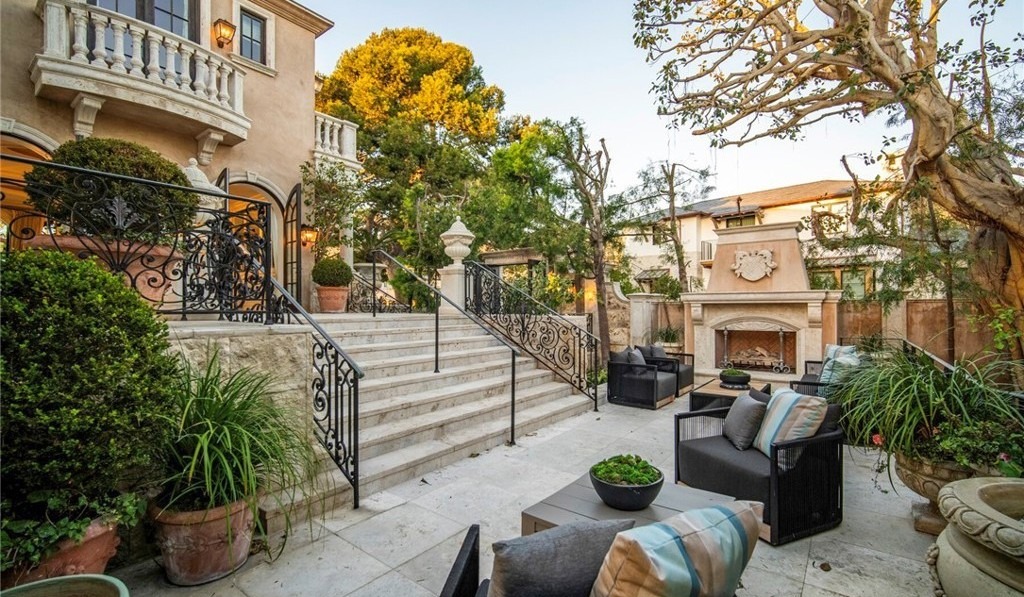
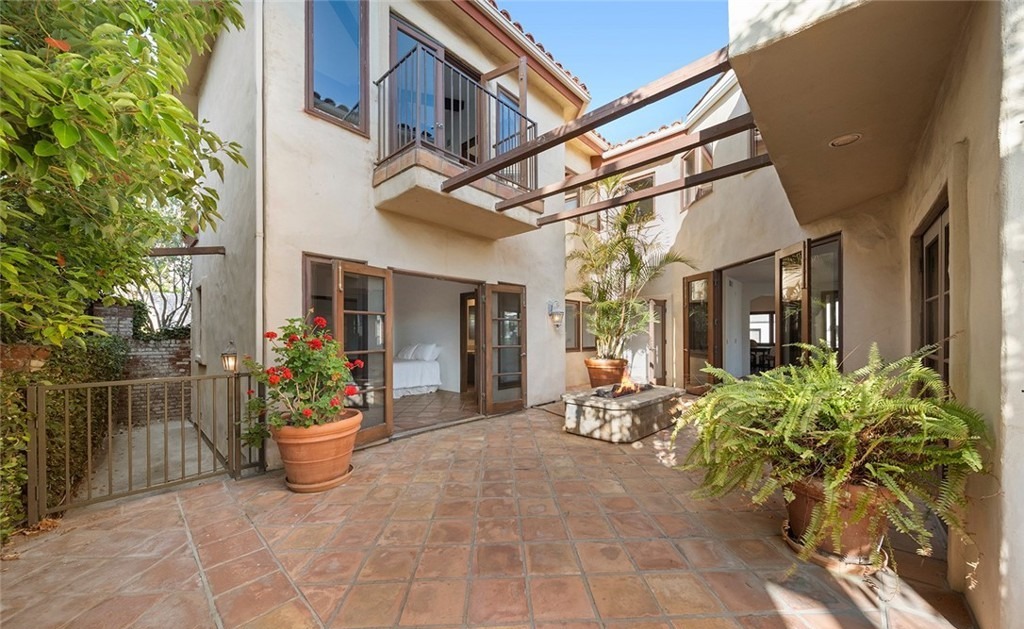
Terracotta and stone are the foundation materials — terracotta tile floors, stone accent walls, plaster in warm earth tones. These materials age beautifully, developing patina that adds character over decades.
Wood appears in dark, substantial forms: walnut beams, heavy carved doors, rustic dining tables. Iron shows up in lighting fixtures, railings, and hardware — usually forged or hand-finished, never shiny.
Tile is the decorative medium: hand-painted Talavera, Moroccan zellige, encaustic cement tile in geometric patterns. Used as backsplashes, stair risers, or accent floors, patterned tile adds visual richness without competing with the architecture.
Modern Mediterranean
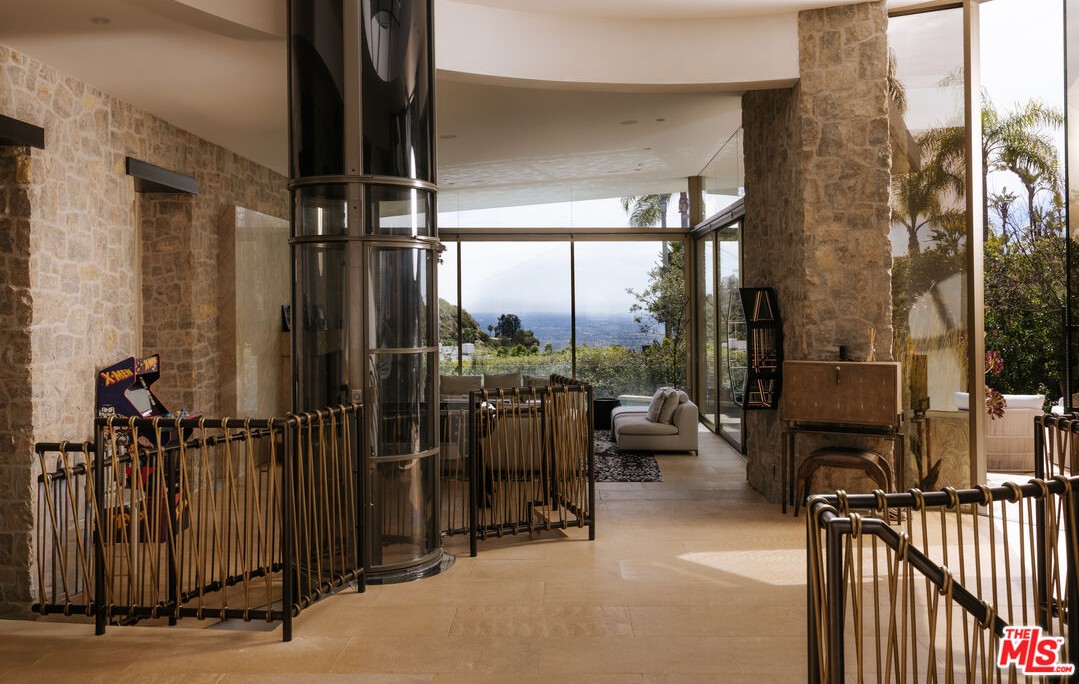
The contemporary take on Mediterranean keeps the warmth and materiality while stripping the ornamentation. Smooth plaster walls instead of heavy texture, clean-lined arches instead of ornate ones, simple iron fixtures instead of scrollwork. The palette stays warm — terracotta, olive, cream, warm stone — but the execution is cleaner.
This approach works particularly well in transitional homes where full Mediterranean would feel heavy. A plaster range hood, terracotta floor tiles, and iron pendant lights bring Mediterranean soul to an otherwise modern kitchen.