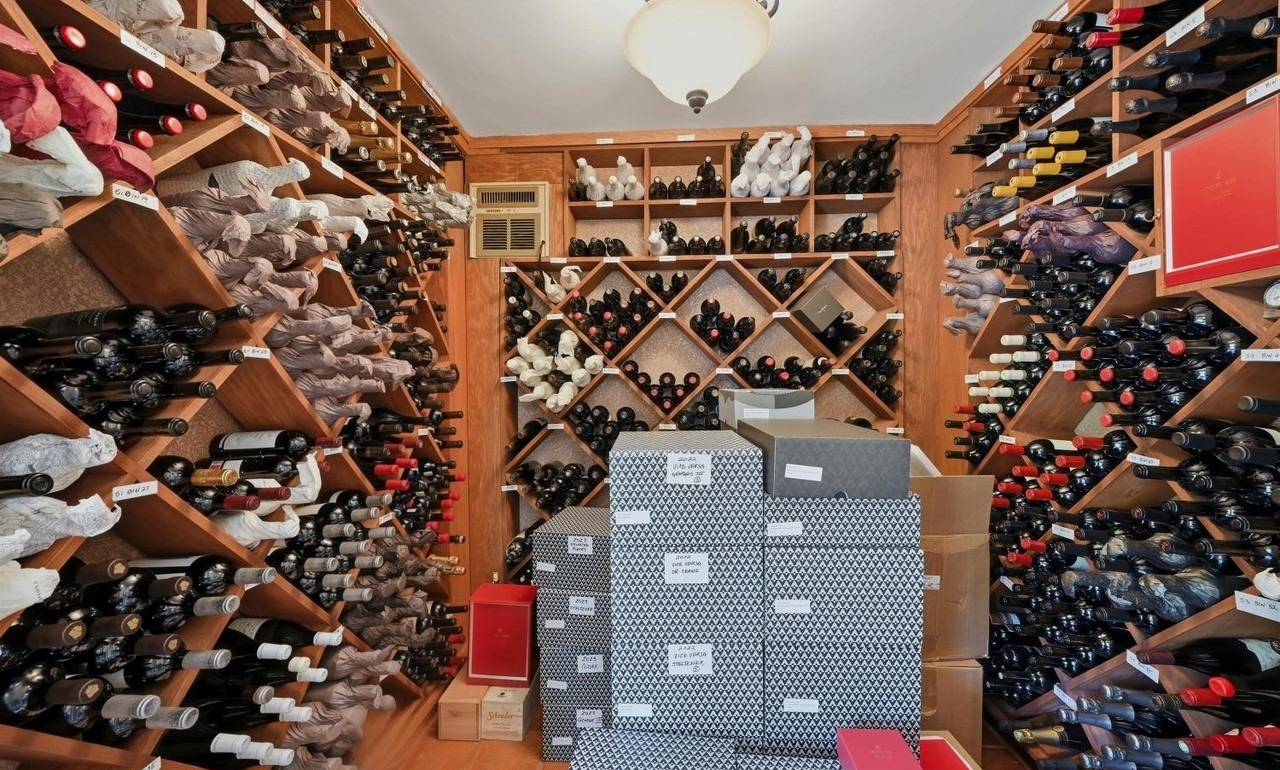
Luxury Wine Cellar Design: Storage as Showpiece
Function First, Beauty Always
A wine cellar must maintain 55-58°F and 60-70% humidity to properly age wine. Everything else — the racking, the door, the lighting, the floor — serves that primary function while creating a space beautiful enough to linger in.
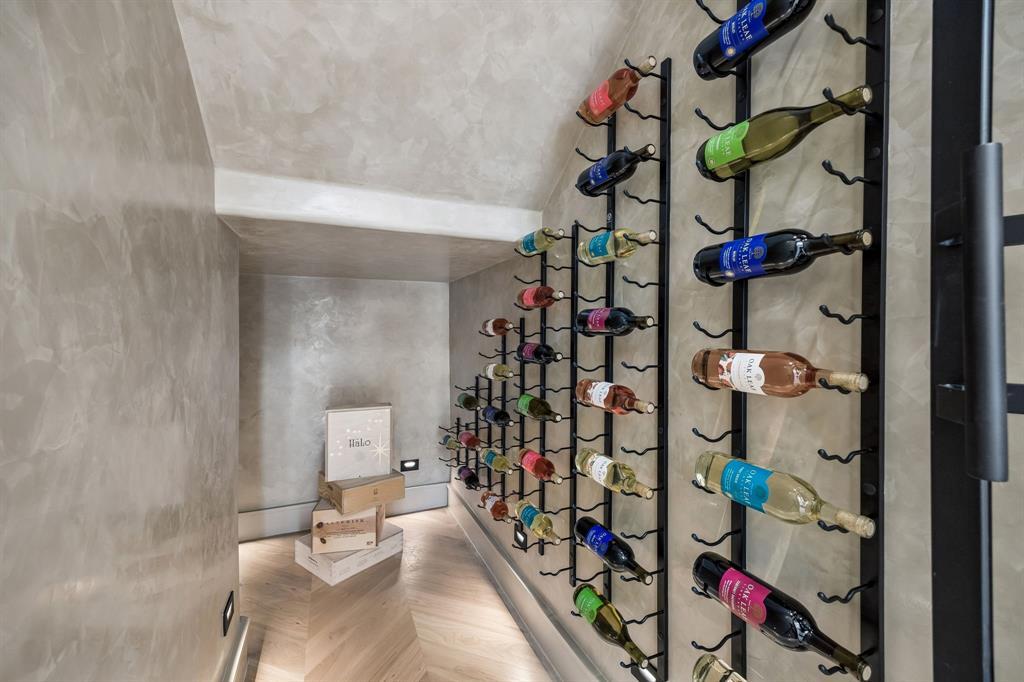
The first decision is location: basement (naturally cool, minimal insulation needed), under-stair (space-efficient, visible), or a converted room (requires full climate engineering). Each has different construction and cost implications.
Design Elements
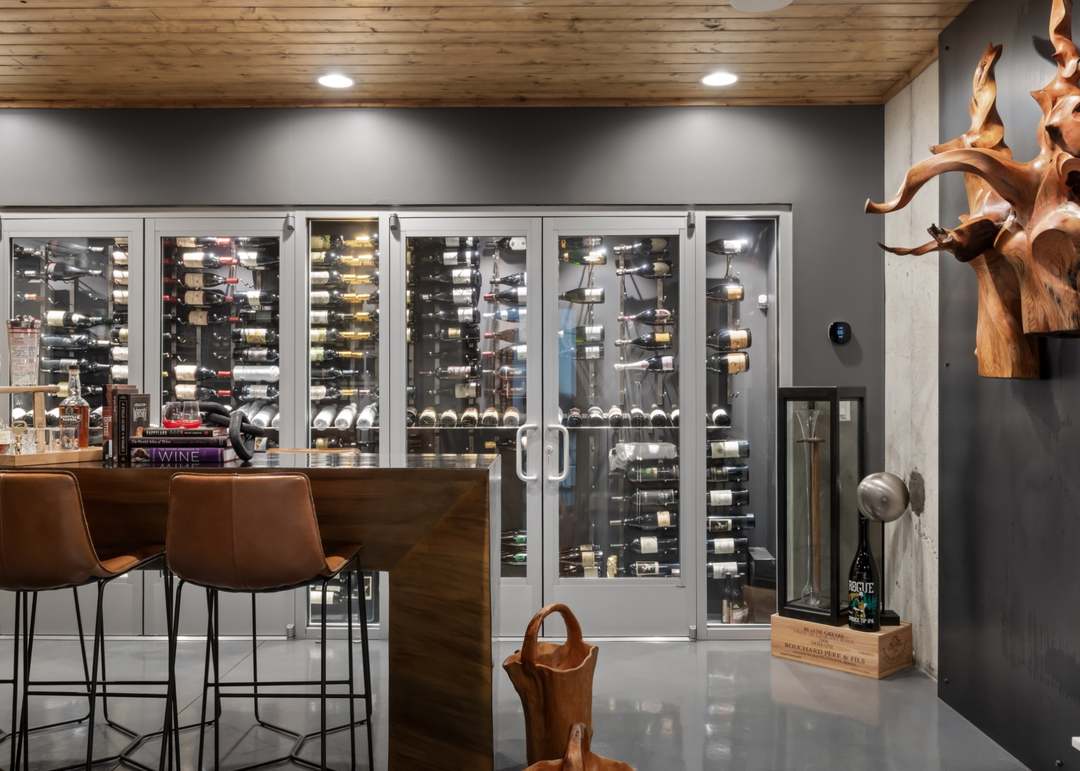
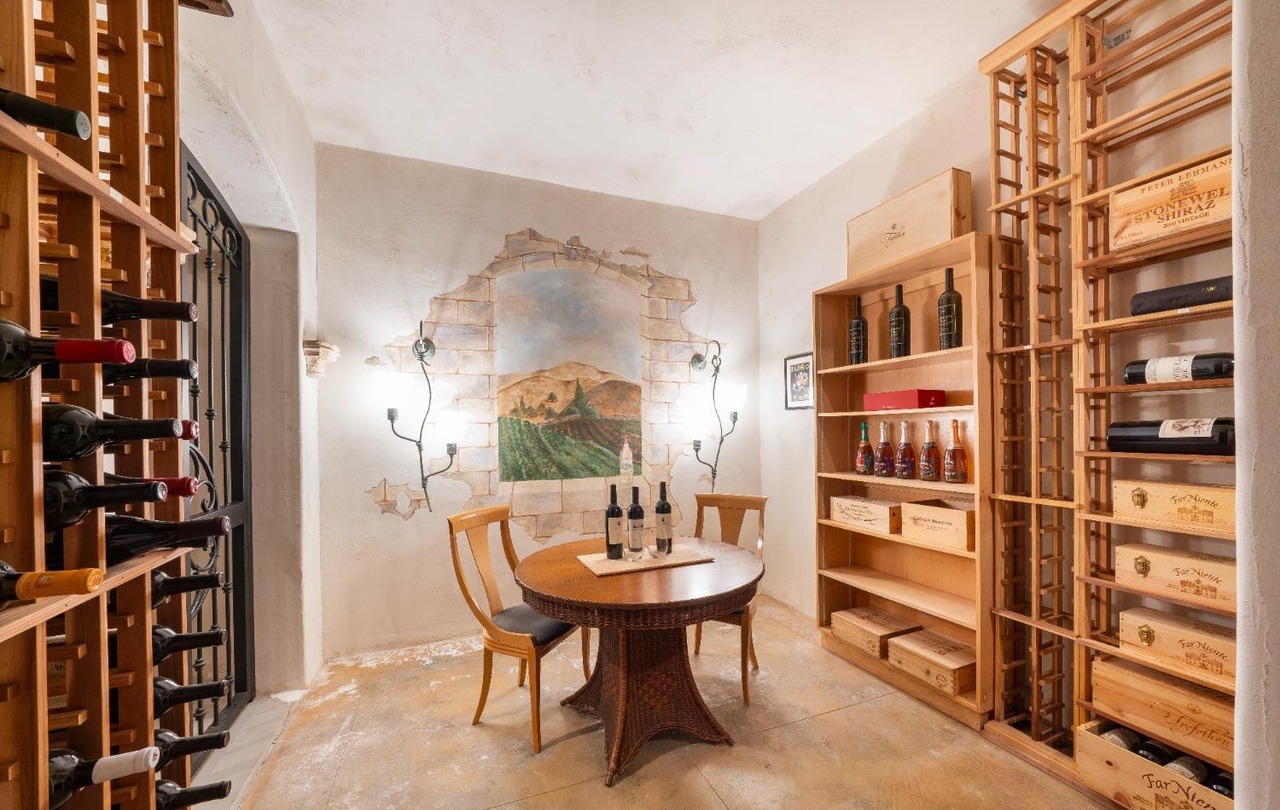
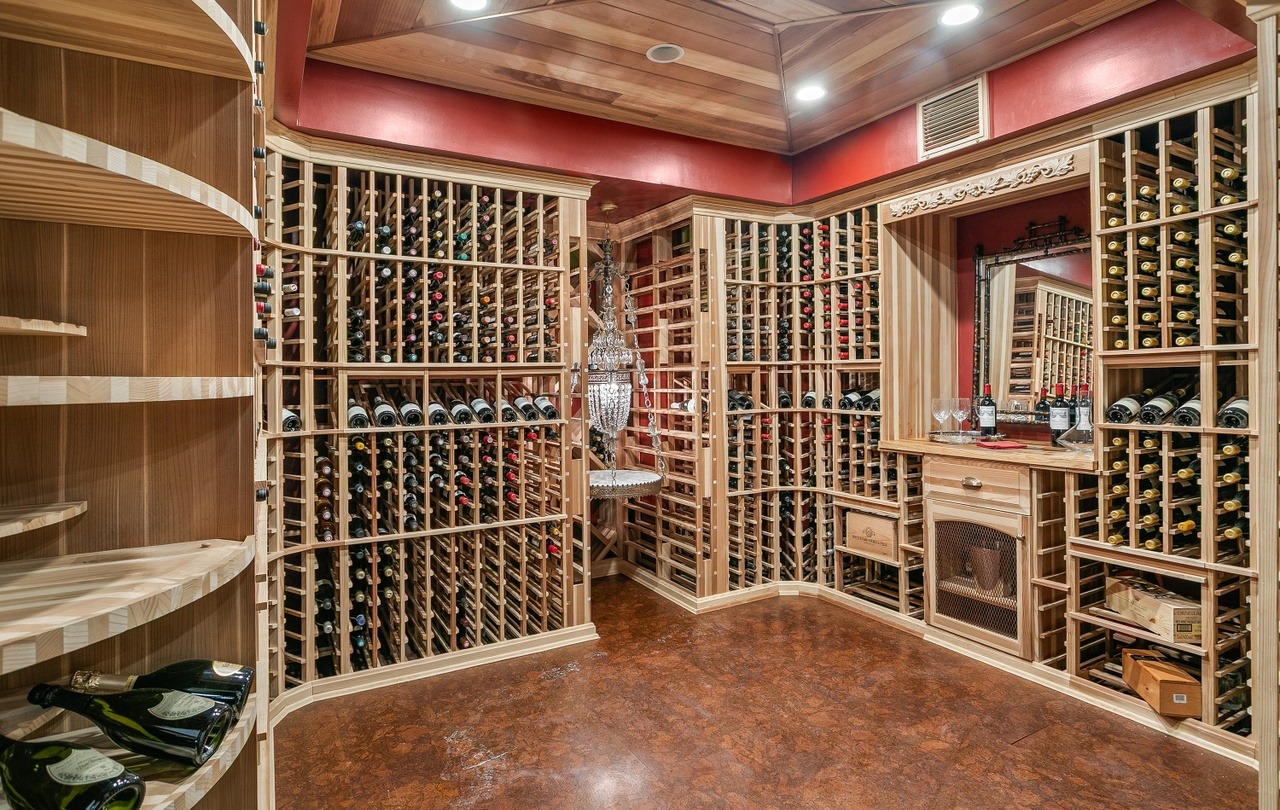
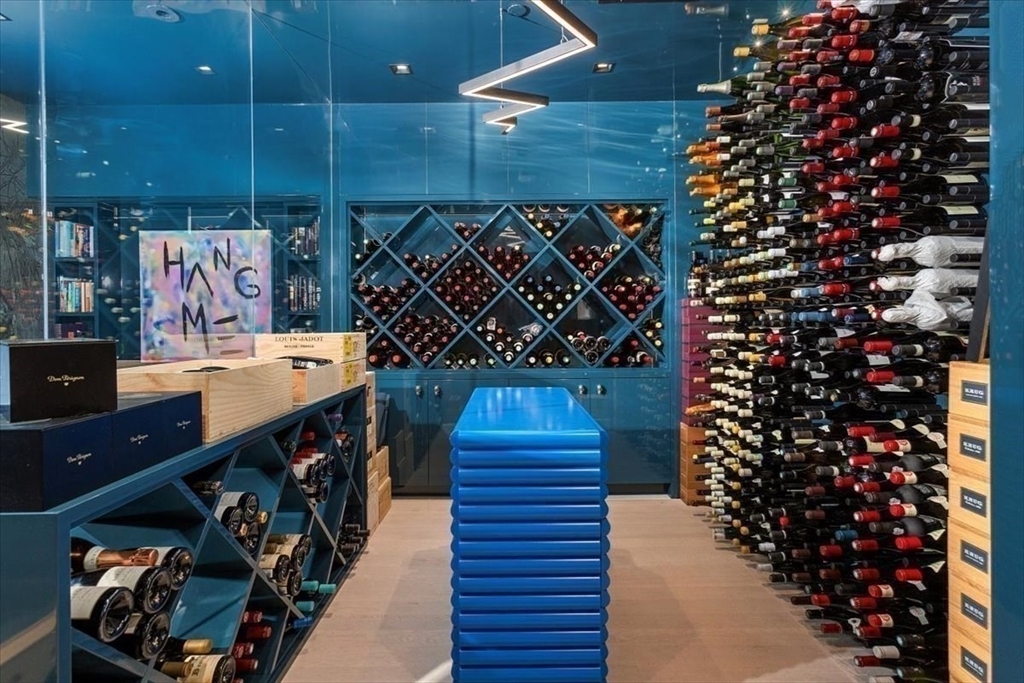
Racking defines the visual style. Wood racking (redwood, mahogany) is the classic — warm and traditional. Metal racking (steel, aluminum, iron) reads as modern and makes the bottles the visual focus. Glass-enclosed cellars with minimal metal racking are the contemporary luxury statement.
Lighting must be LED only (no heat), and should be minimal — UV degrades wine. Accent lighting on display bottles, low ambient light, and a dramatic entry feature (backlit glass wall, spot-lit stone) create atmosphere without harming the collection.
Flooring: natural stone (slate, travertine, cork) handles the humidity and temperature well. Reclaimed brick pavers are a classic option that adds old-world character.
Sizing and Cost
A 500-bottle cellar is a good starting point for serious collectors. At 750 bottles, you have real depth in multiple regions and vintages. 1,000+ bottles requires dedicated space and professional climate control.
Costs range widely: a glass-enclosed reach-in unit starts at $5K-10K. A built-out walk-in cellar for 500-1,000 bottles runs $30K-100K+ depending on materials, custom racking, and climate engineering. The cooling system alone ($2K-8K) is the critical investment — skimping here risks the collection.