Designing Luxury Entertaining Spaces: From Bar to Dining Room
The Entertaining Ecosystem
Luxury entertaining isn't one room — it's a connected sequence of spaces: the entry that sets the mood, the bar that starts the evening, the dining room that hosts the meal, and the living space that extends the conversation. The best luxury homes design these as a flow, not isolated rooms.
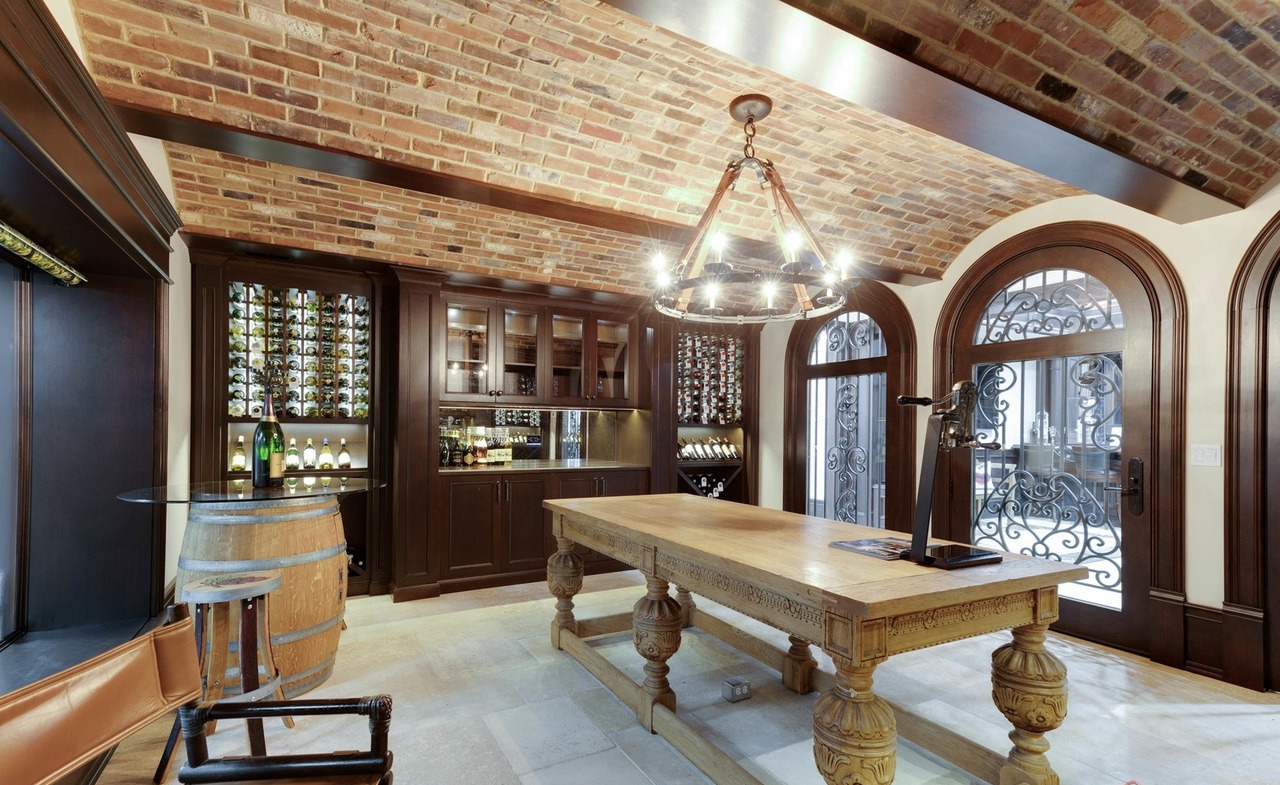
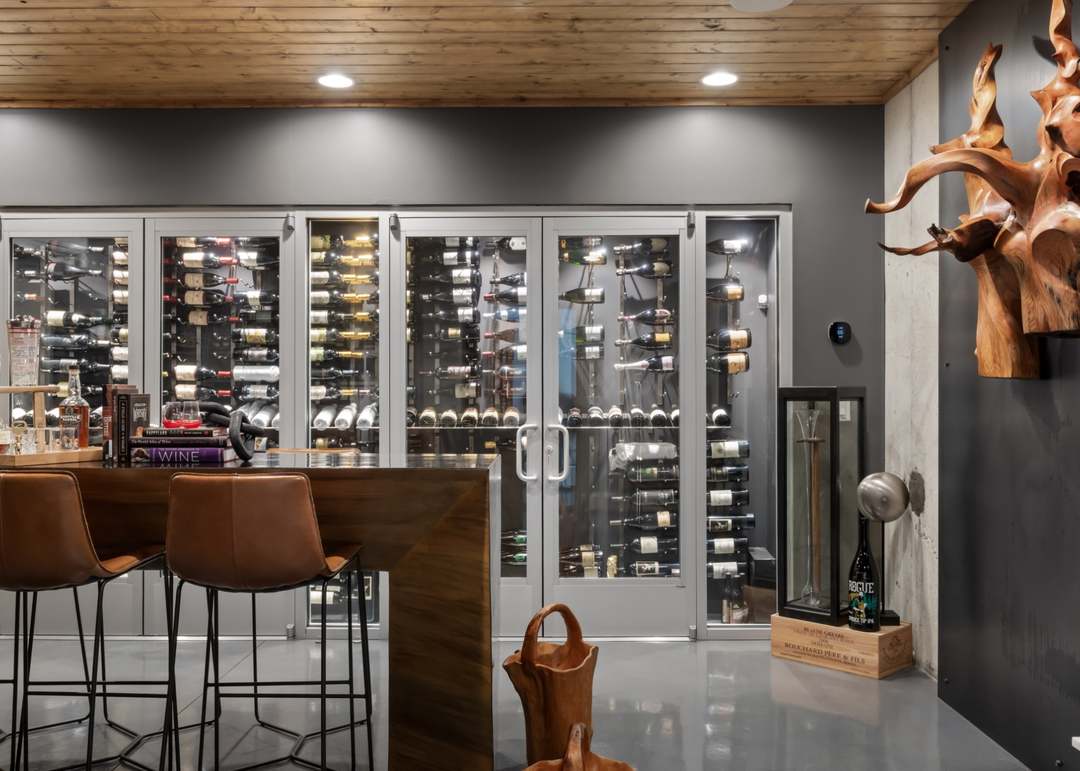
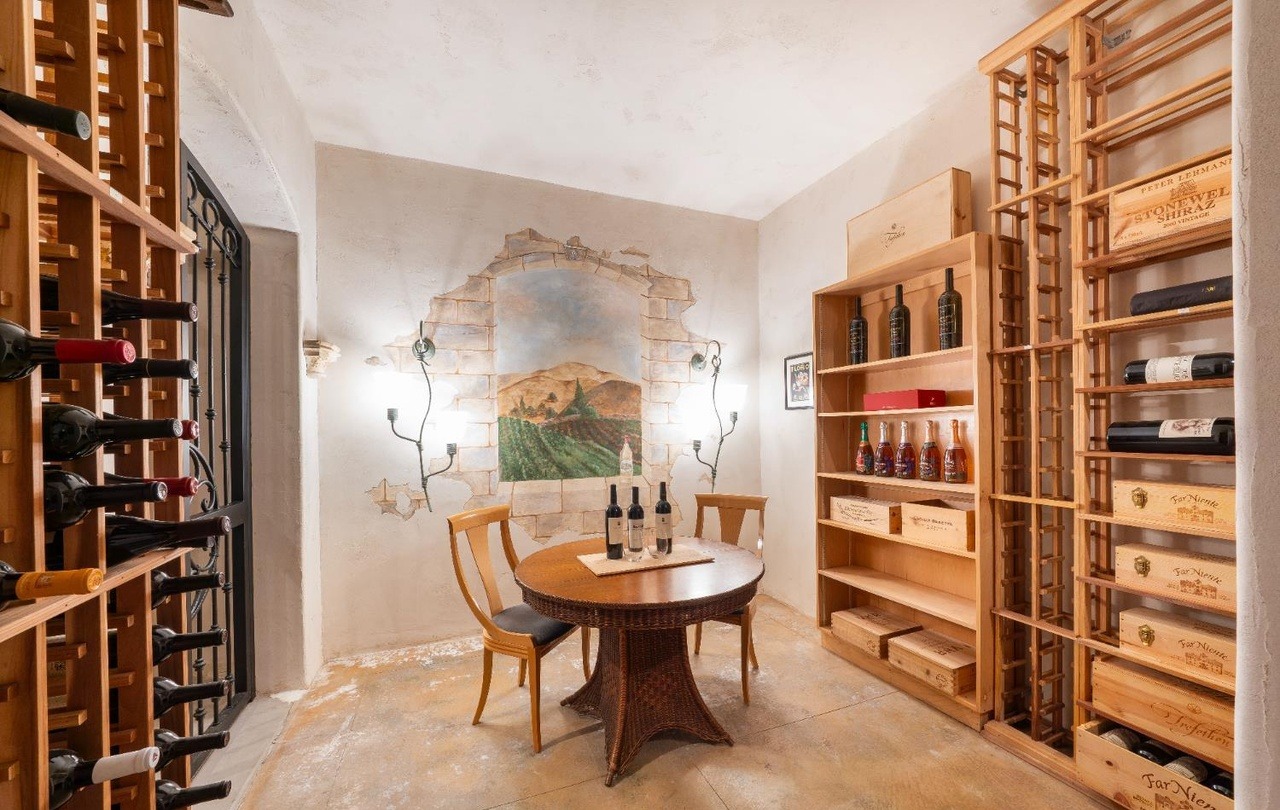
The home bar has become the anchor. A dedicated bar space — whether a full wet bar, a butler's pantry, or a wine room with tasting area — signals a home designed for hosting.
The Home Bar
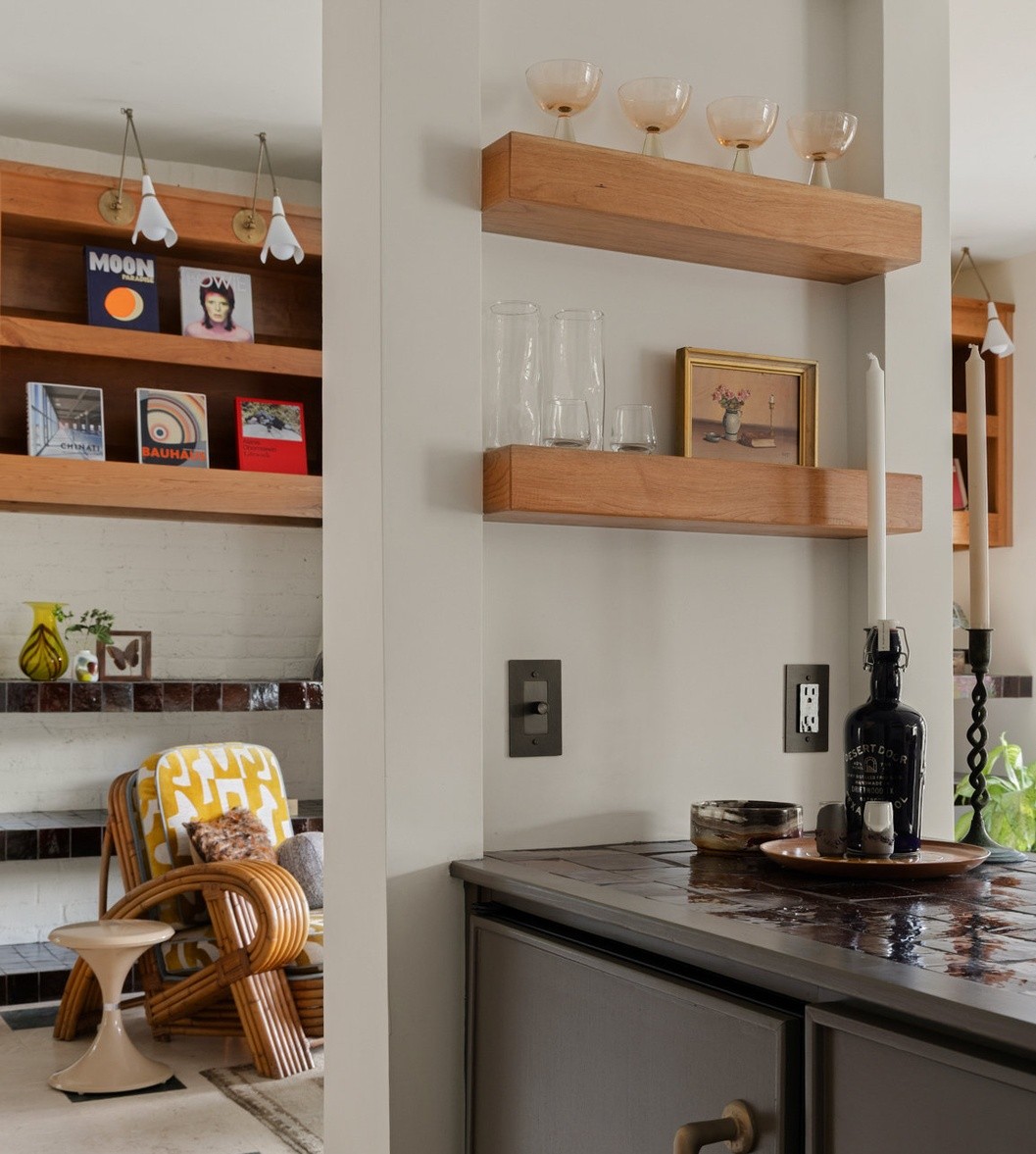
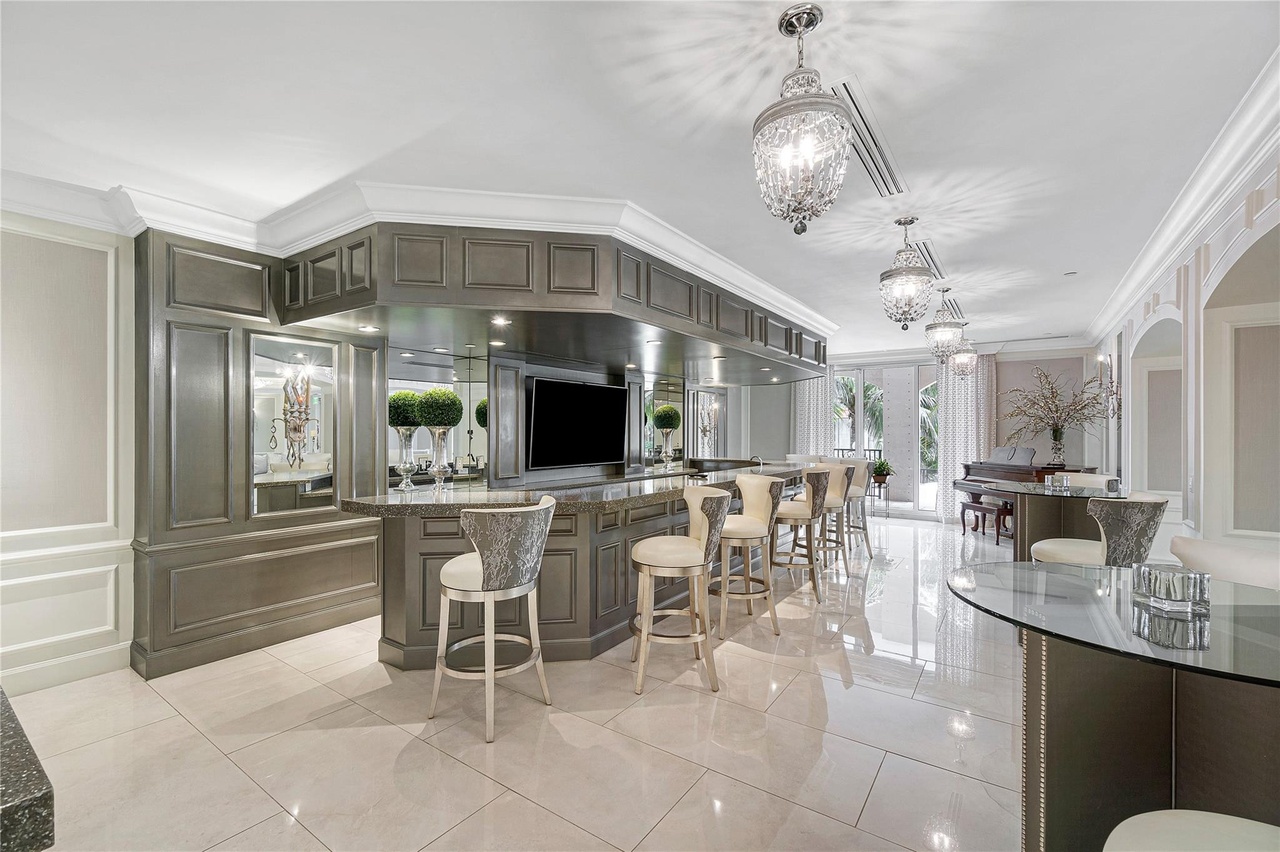
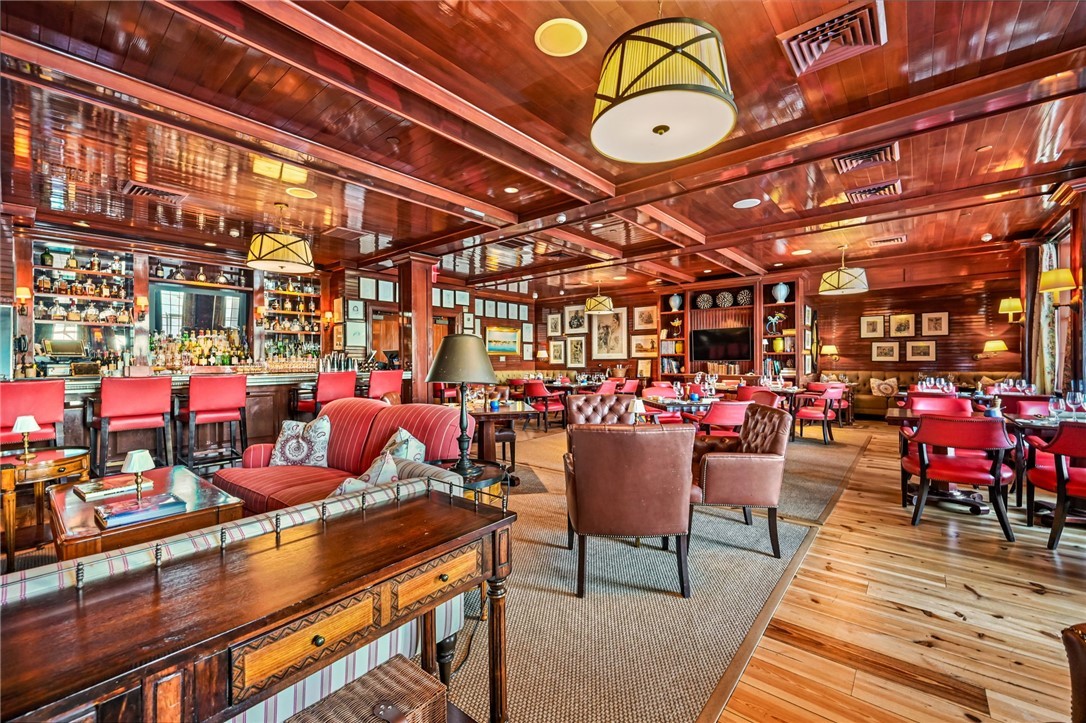
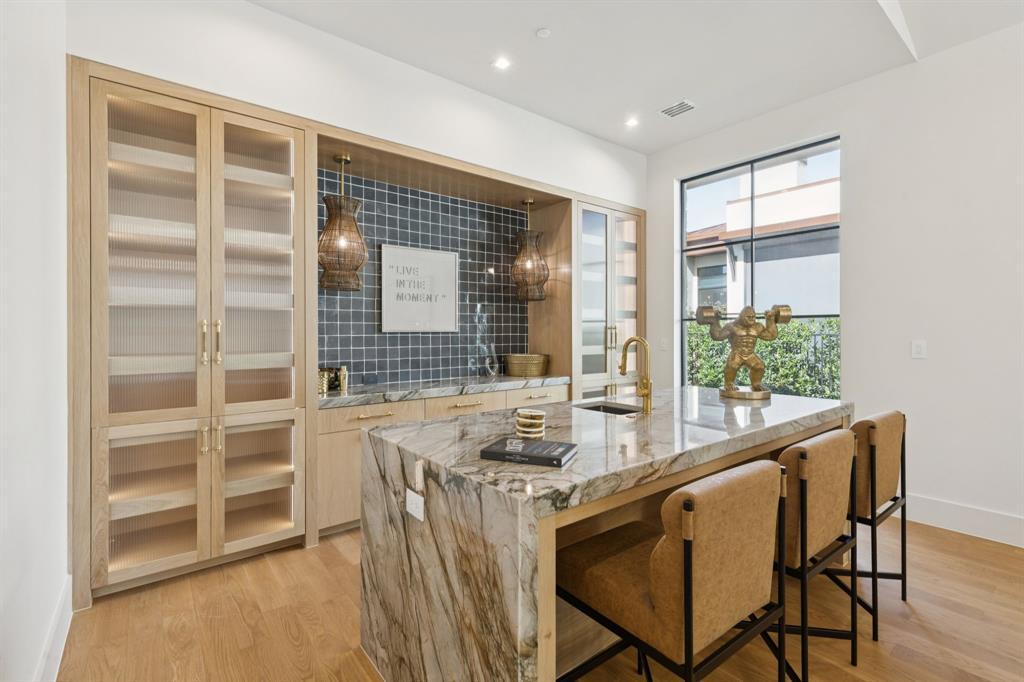
A luxury home bar needs: a sink, an undercounter refrigerator or ice maker, bottle storage, glassware storage, and enough counter space for mixing. Material choices lean dramatic — dark woods, stone countertops with movement, antique mirror backsplash, brass hardware.
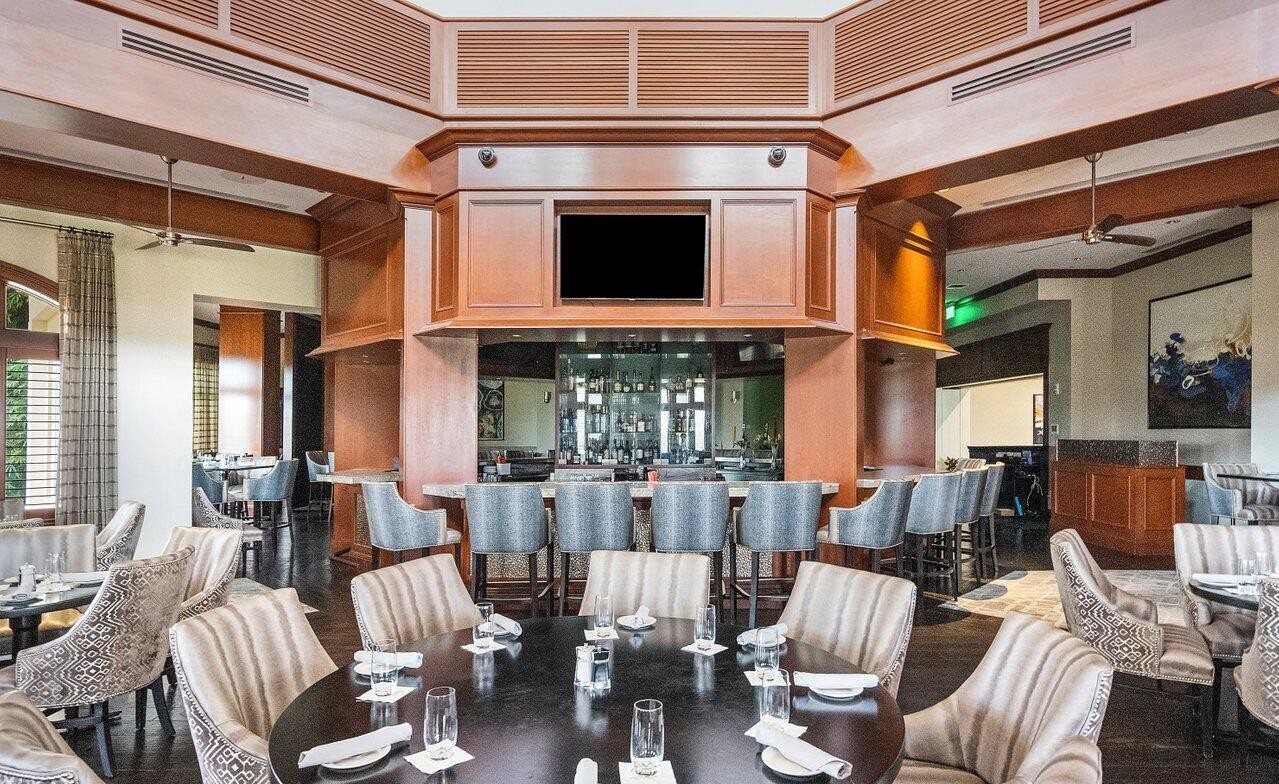
The bar should feel like a destination, not a corner of the kitchen. Moody lighting (dimmable pendants, LED strip lighting under shelves, backlit bottle displays), seating for 2-4, and a material palette distinct from the kitchen give it its own identity.
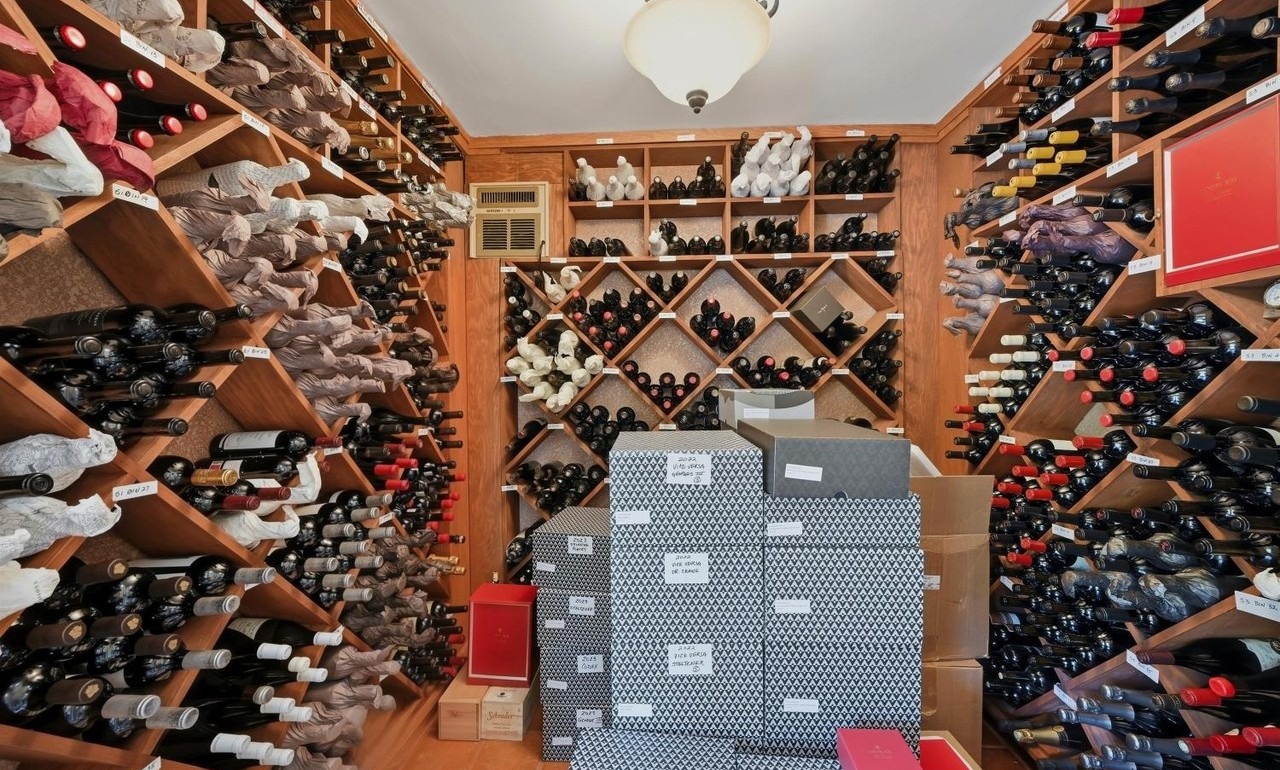
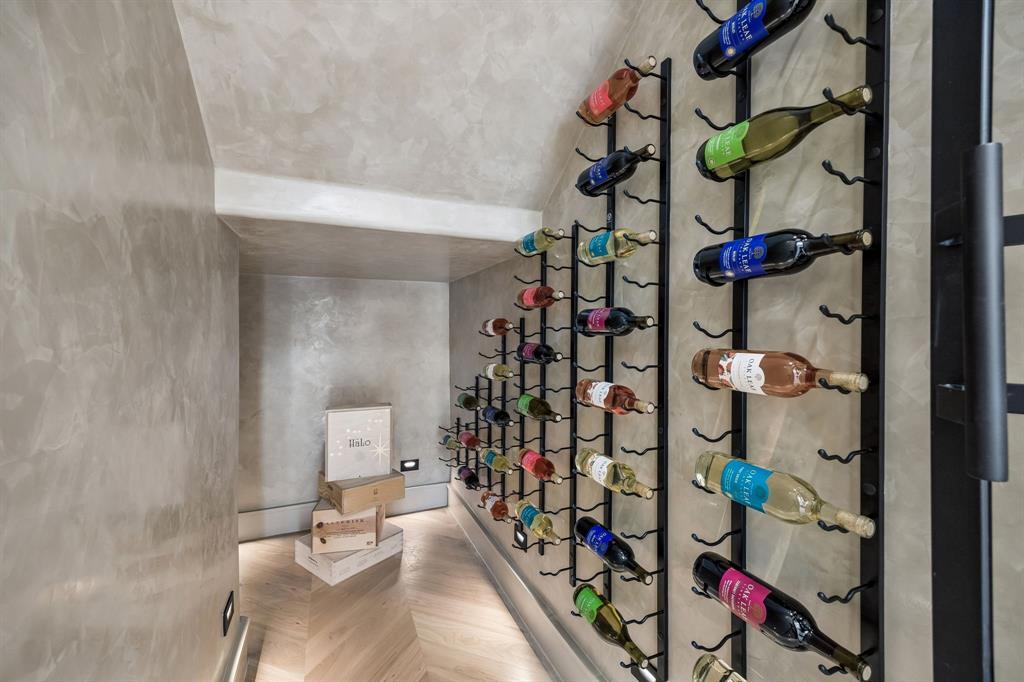
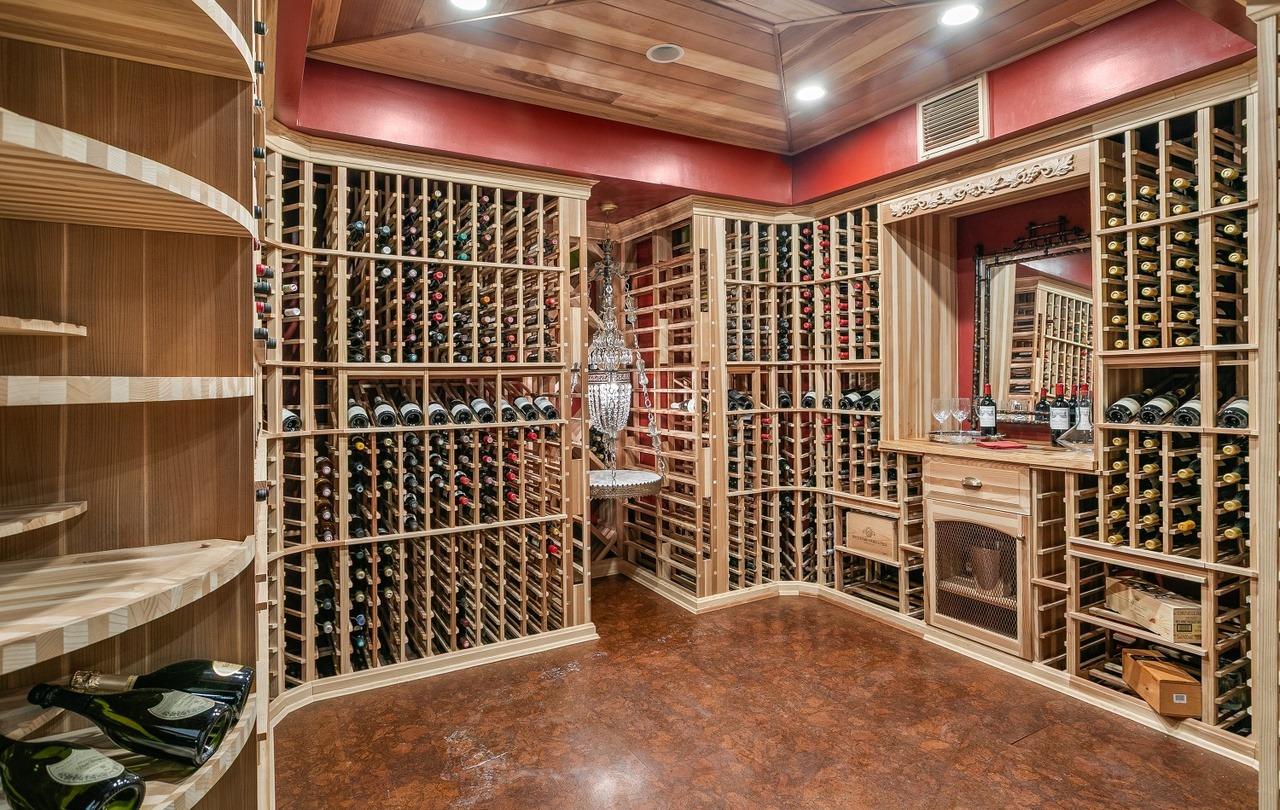
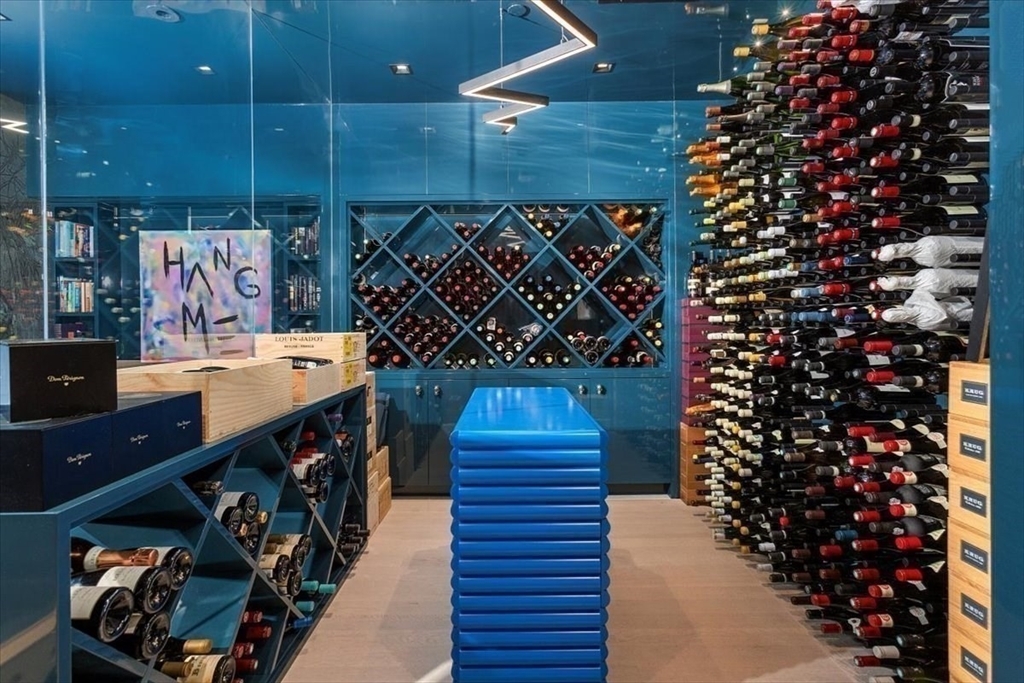
For serious entertainers, add a wine storage zone — a temperature-controlled cabinet or room adjacent to the bar. Even a 100-bottle unit makes a statement and serves a real function.
The Dining Room Revival
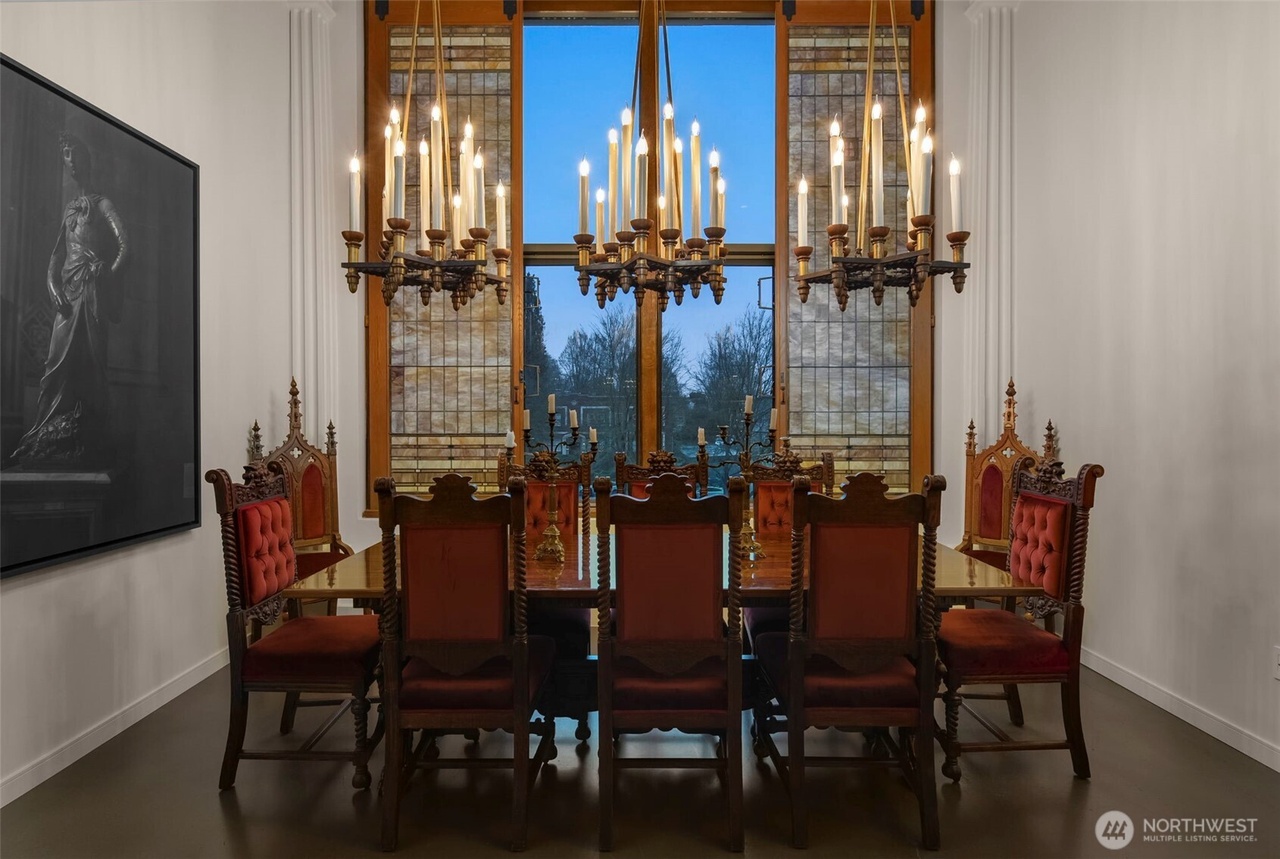
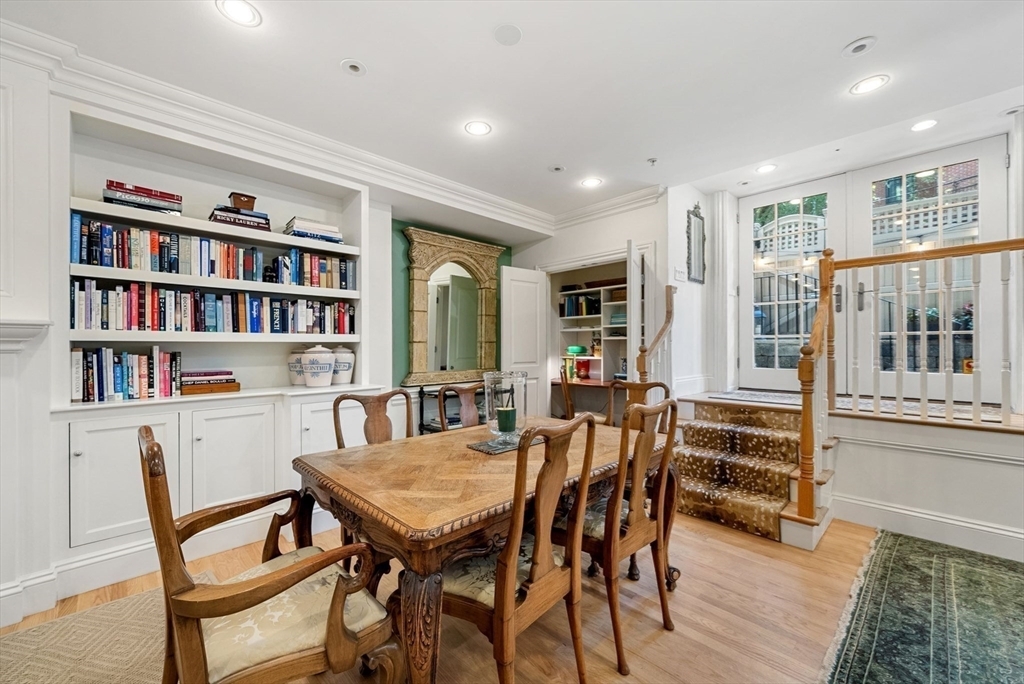
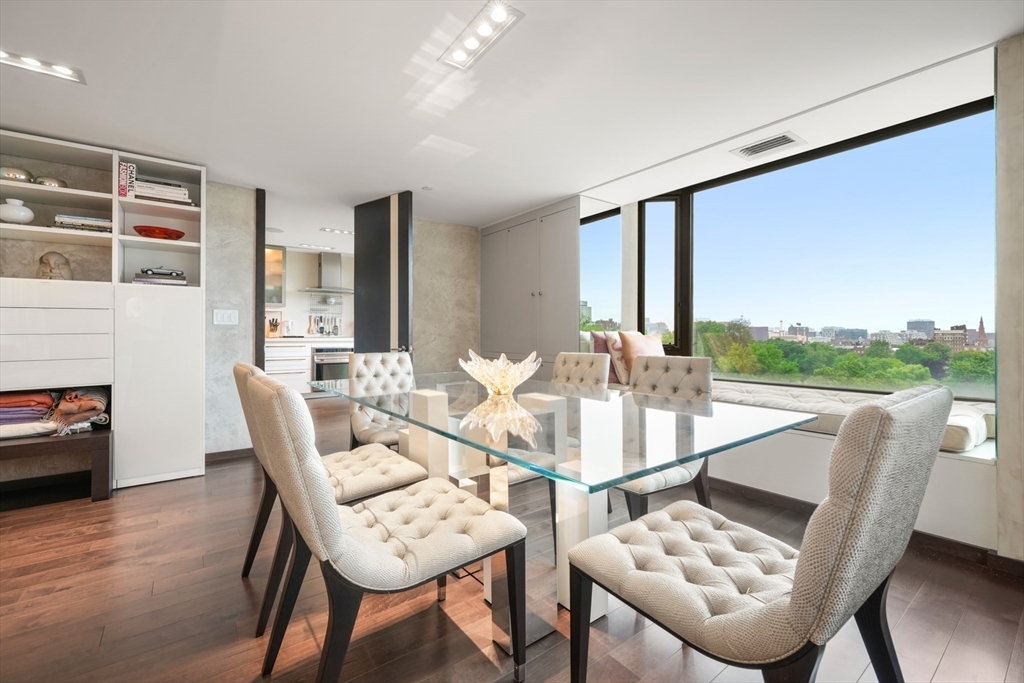
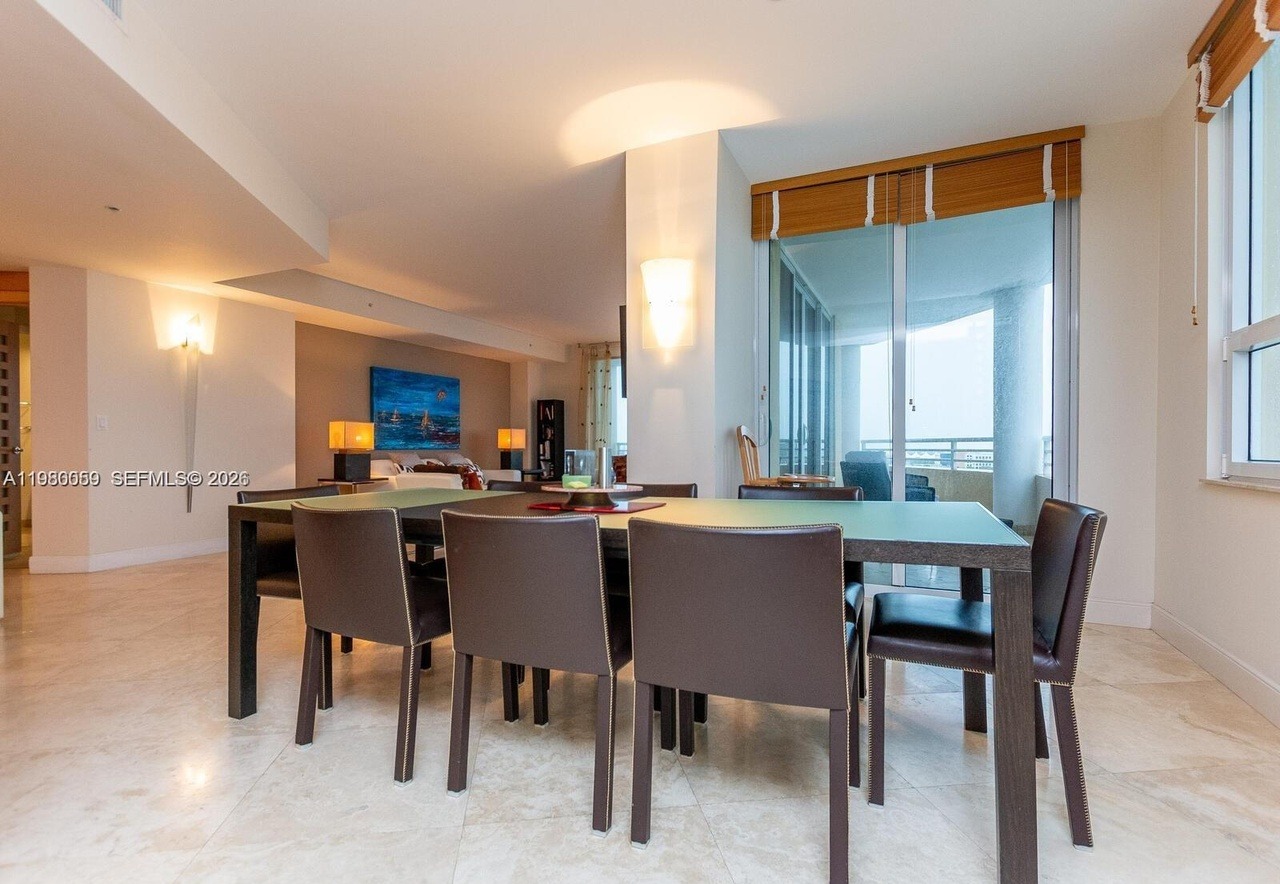
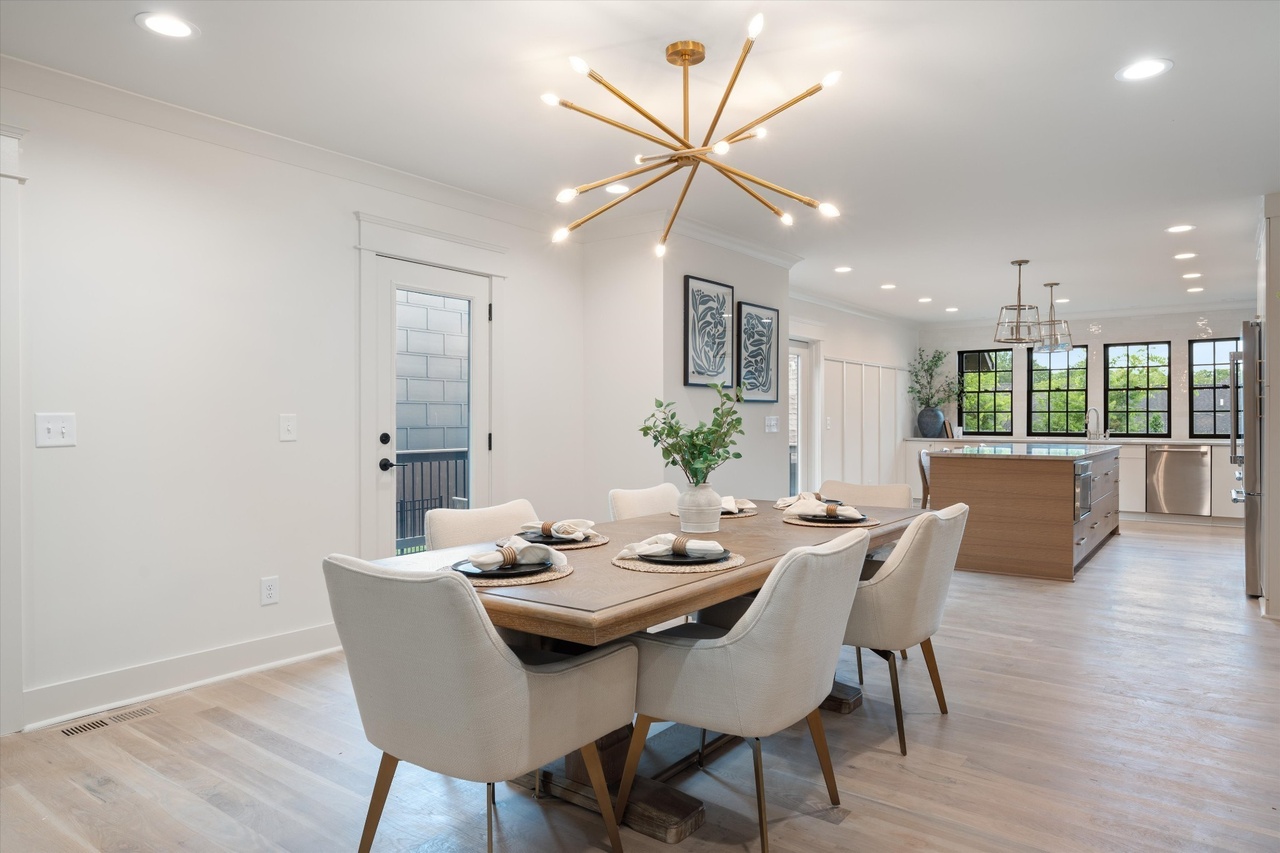
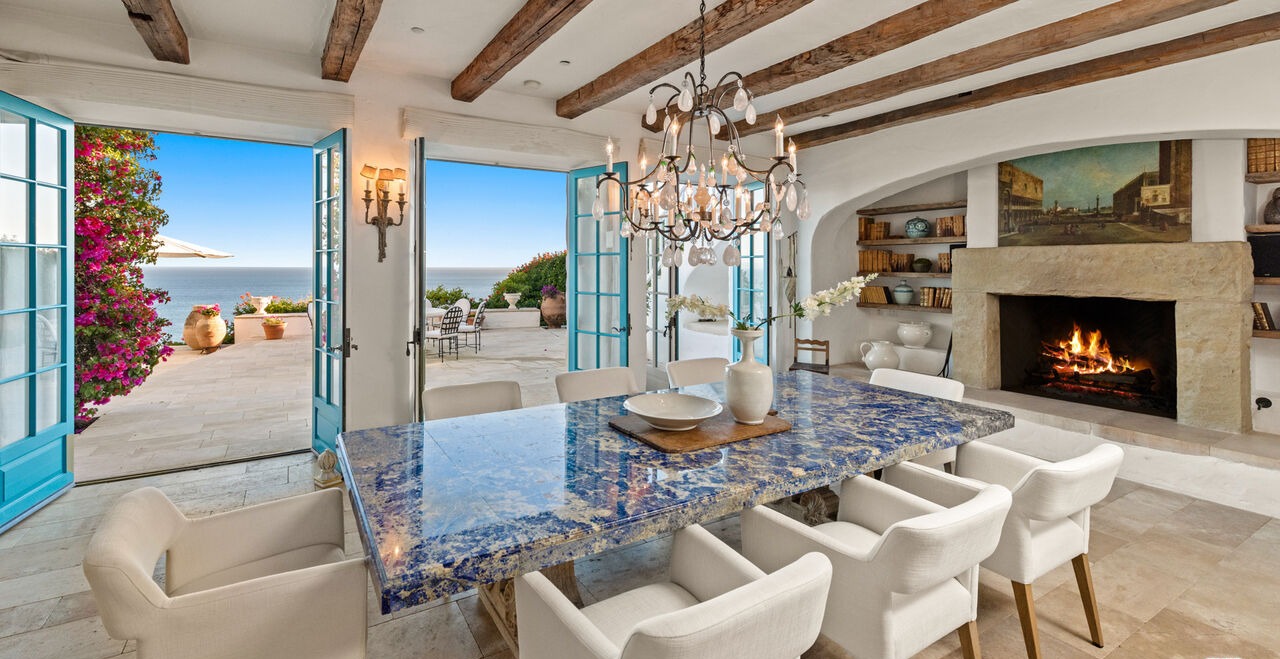
After a decade of open-concept eroding the formal dining room, it's making a comeback — with a twist. The new luxury dining room is more casual and more designed: a room that's used weekly, not saved for holidays. Think comfortable upholstered chairs (not stiff side chairs), a statement chandelier, and art that makes the room feel like a gallery.
The table is everything. A solid wood table that seats 8-10 comfortably, with room to walk behind chairs (36" minimum clearance), anchors the space. Round tables work beautifully for rooms under 14x14 — they facilitate conversation and eliminate the head-of-table formality.