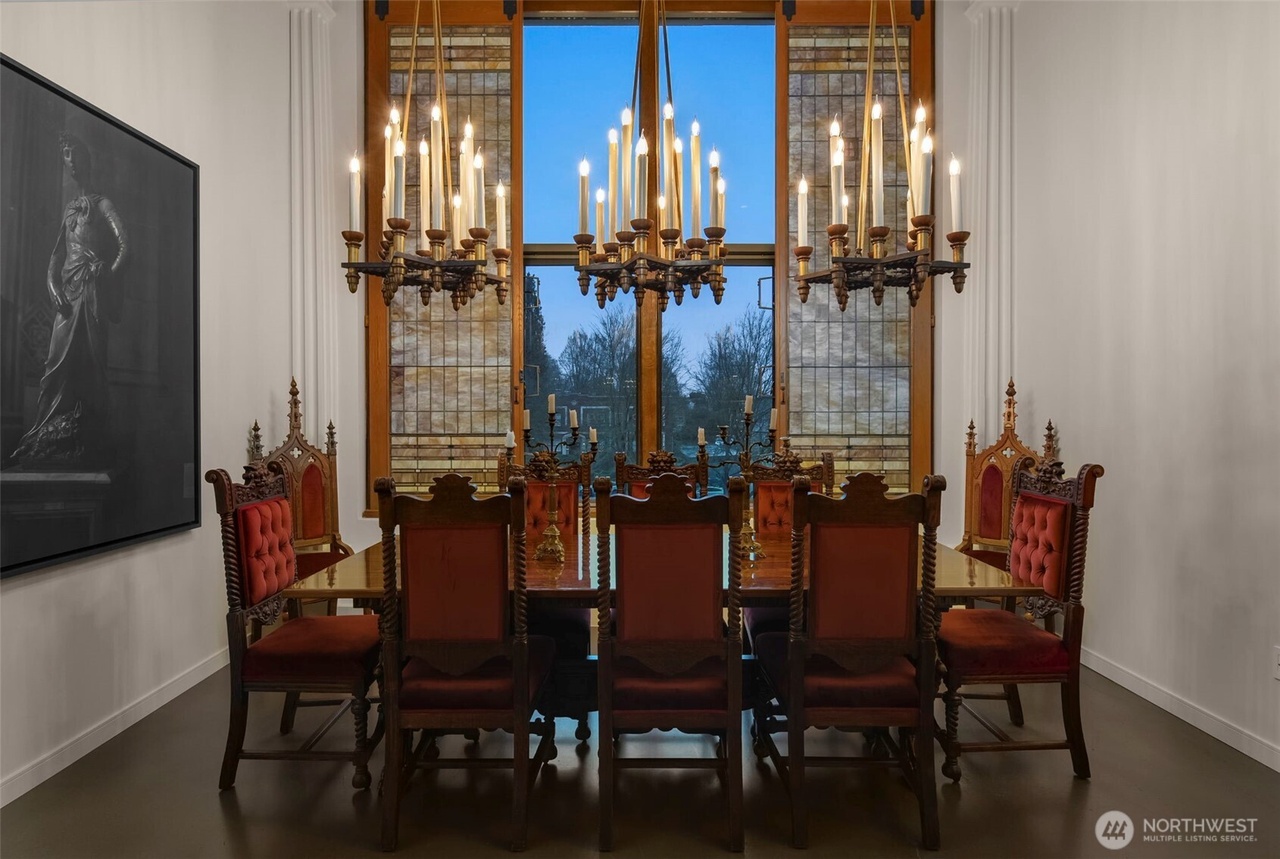
The Luxury Dining Room: Designing for Memorable Gatherings
The Return of the Dedicated Dining Room
After years of open-concept erosion, the dedicated dining room is making a luxury comeback. Homeowners who entertain regularly have realized that a room designed specifically for dining — with its own lighting, acoustics, and atmosphere — creates better experiences than a table in the corner of a great room.
The modern dining room isn't the stiff formal space of past decades. It's used weekly, designed for comfort, and styled with the same care as the living room.
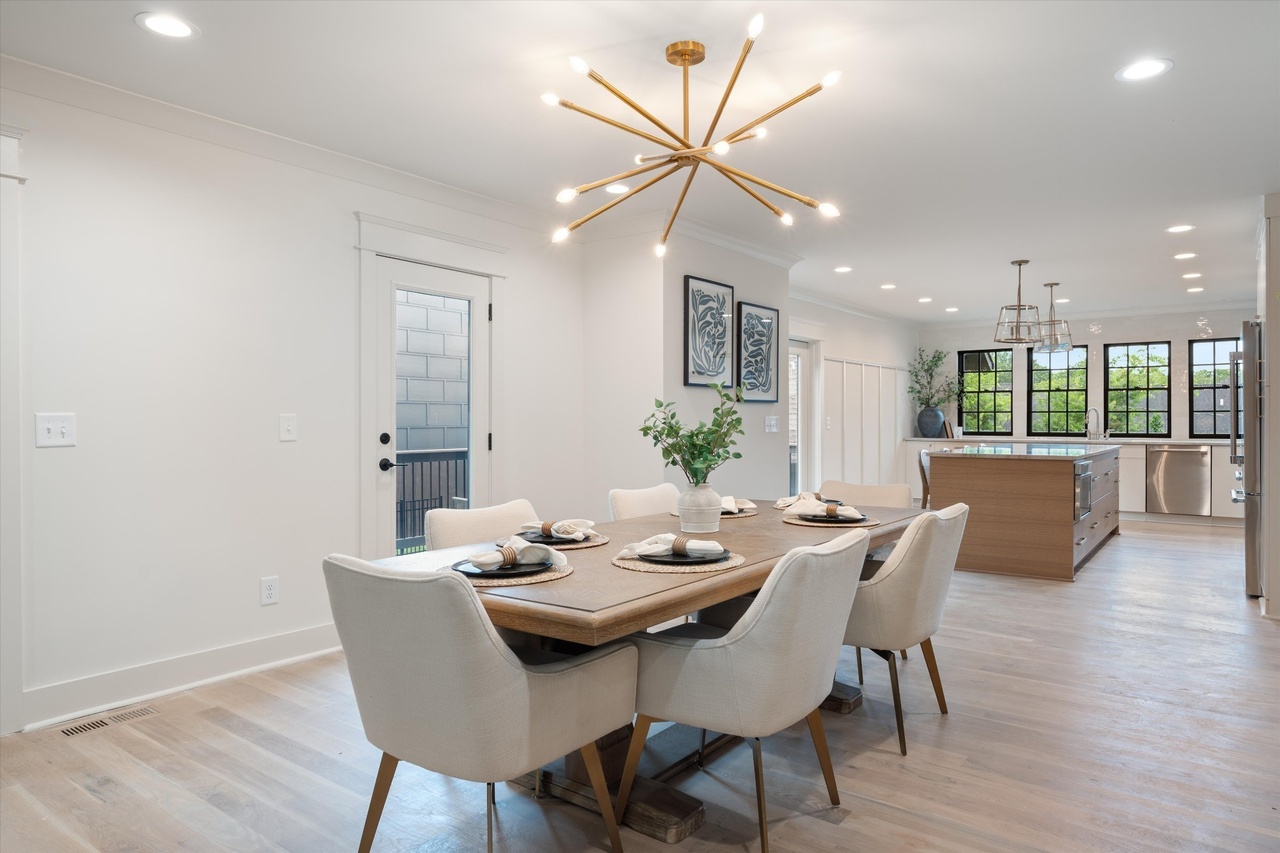
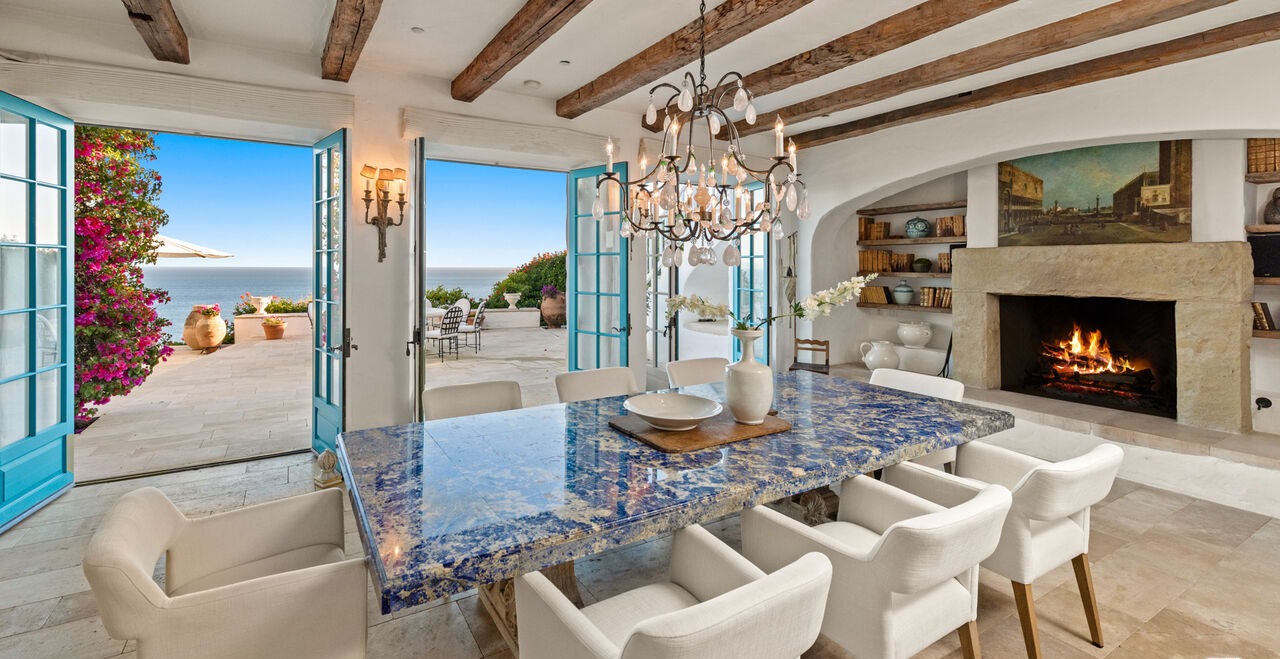
The Table Is Everything
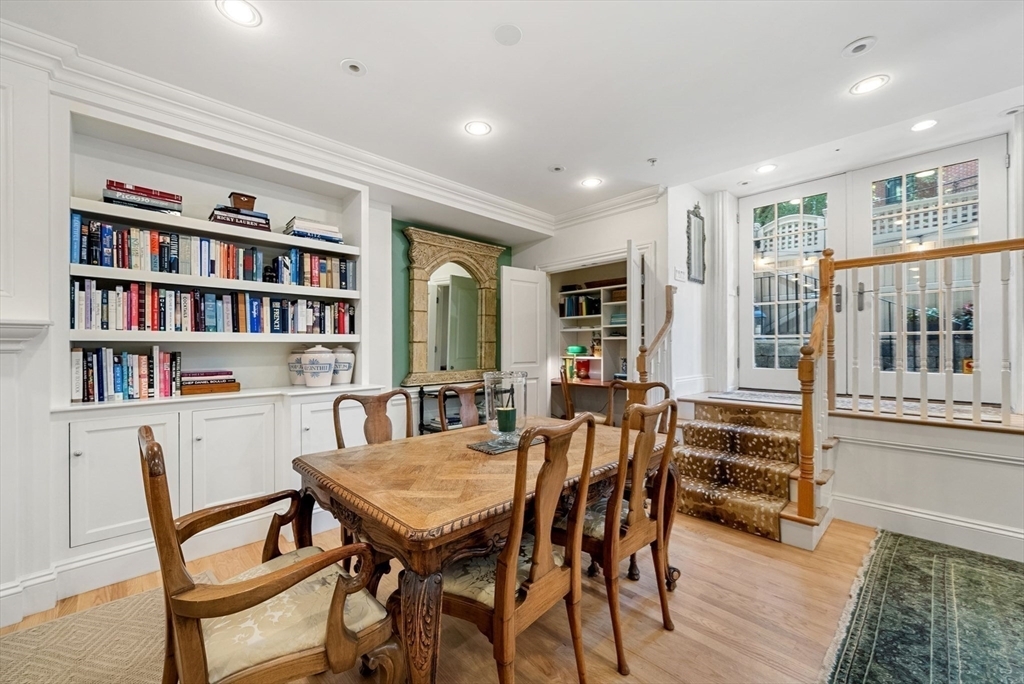
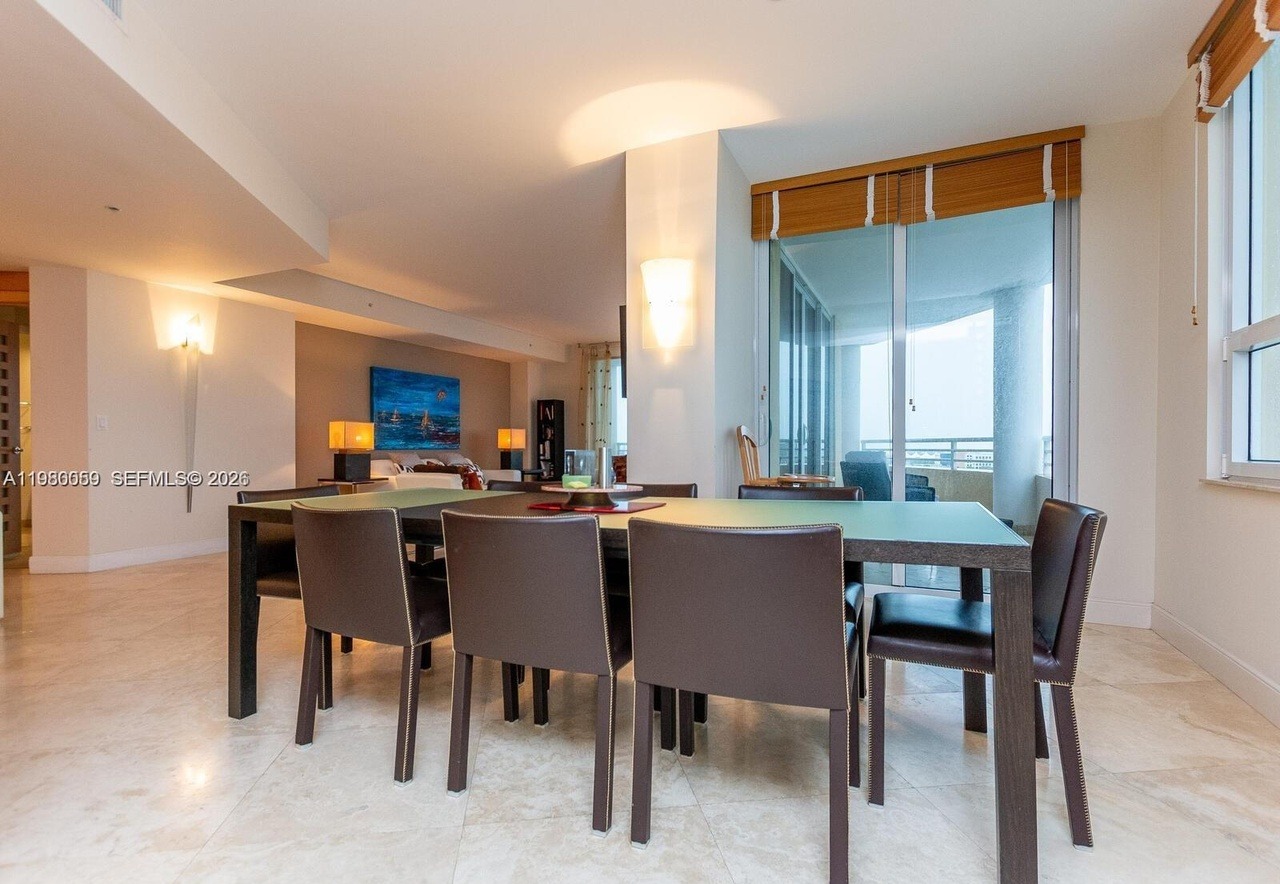
The dining table is the most important single piece of furniture in the house. It needs to be beautiful, durable, correctly proportioned, and large enough for your hosting needs.
Sizing: allow 24" of table width per person and 36" between the table edge and walls or furniture for comfortable chair movement. A table for 8 should be at least 96" long and 40-42" wide.
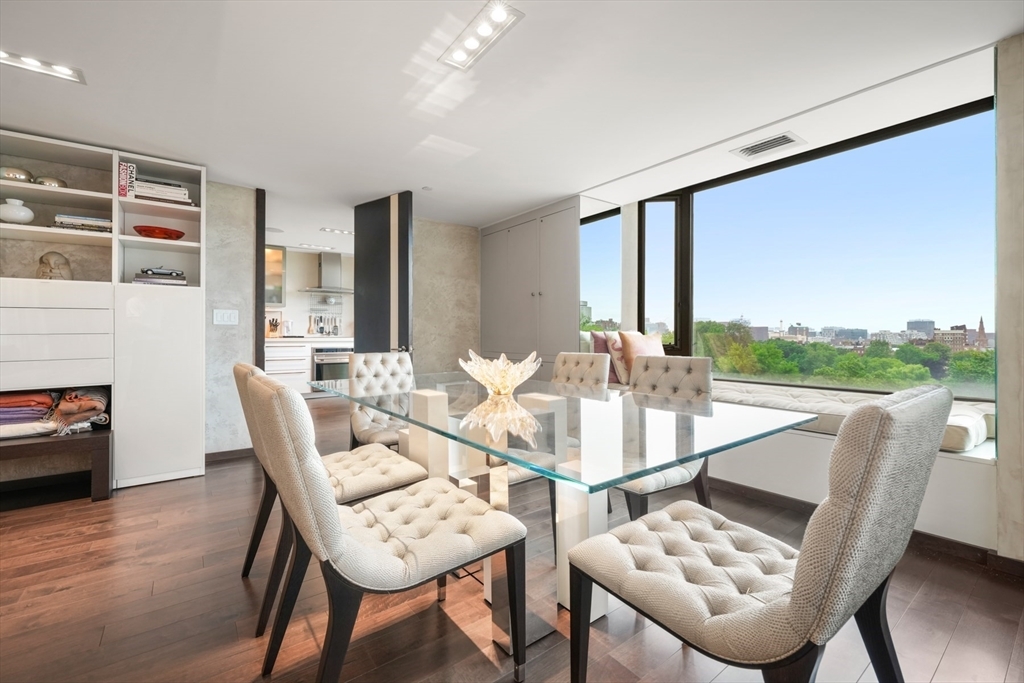
Material: solid wood tables (walnut, white oak, reclaimed timber) are the luxury default — they age beautifully and can be refinished. Stone-top tables (marble, travertine) make a dramatic statement but are heavy, cold, and can stain or etch. Glass tables are impractical for regular dining.
Lighting and Atmosphere
The chandelier or pendant over the dining table is the single most impactful lighting decision in your home. It should be proportional to the table (roughly 1/2 to 2/3 the table width), hung 30-34" above the table surface, and on a dimmer. Always on a dimmer.
For evening dining, the chandelier should provide enough light to see your food and your companions, but not so much that it feels clinical. Supplement with candles on the table and sconces or art lights on the walls. The layered approach creates the warmth that makes people want to stay at the table.


