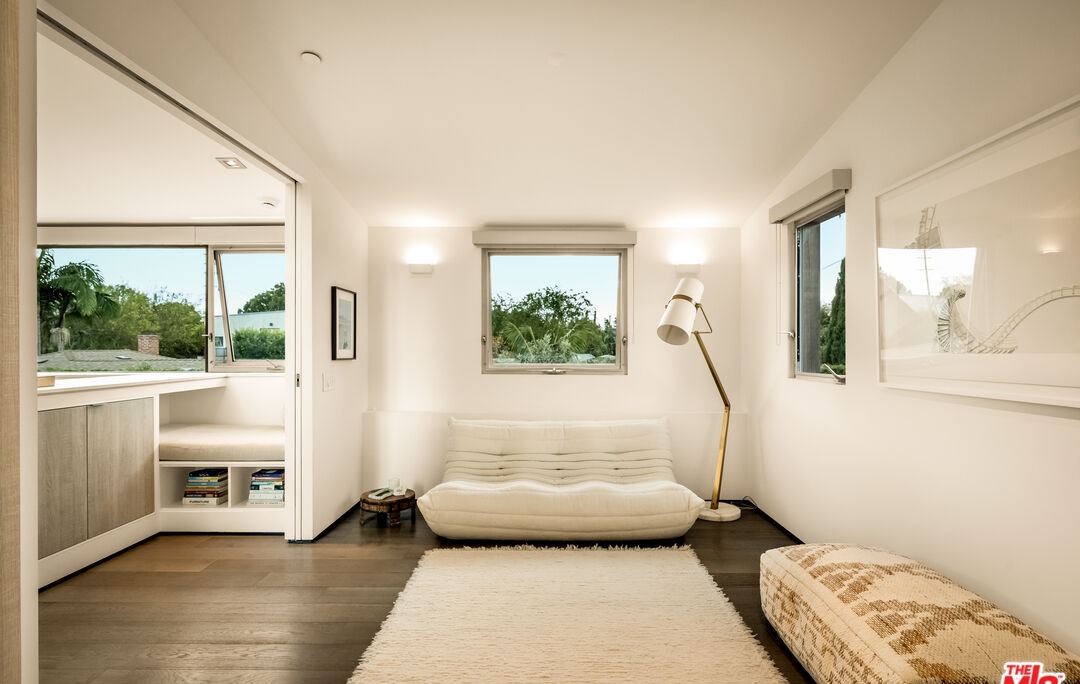
Japandi Design: Where Japanese Minimalism Meets Scandinavian Warmth
Two Philosophies, One Aesthetic
Japandi merges Japanese wabi-sabi — the beauty of imperfection and impermanence — with Scandinavian hygge — the pursuit of cozy contentment. Both traditions value simplicity, natural materials, and functional design. Where they converge is a space that feels calm, intentional, and warm without a single unnecessary element.
In luxury homes, Japandi translates to exceptional material quality in minimal quantity. Every surface, every piece of furniture, every object is chosen with purpose. The restraint is the luxury.
Defining Elements
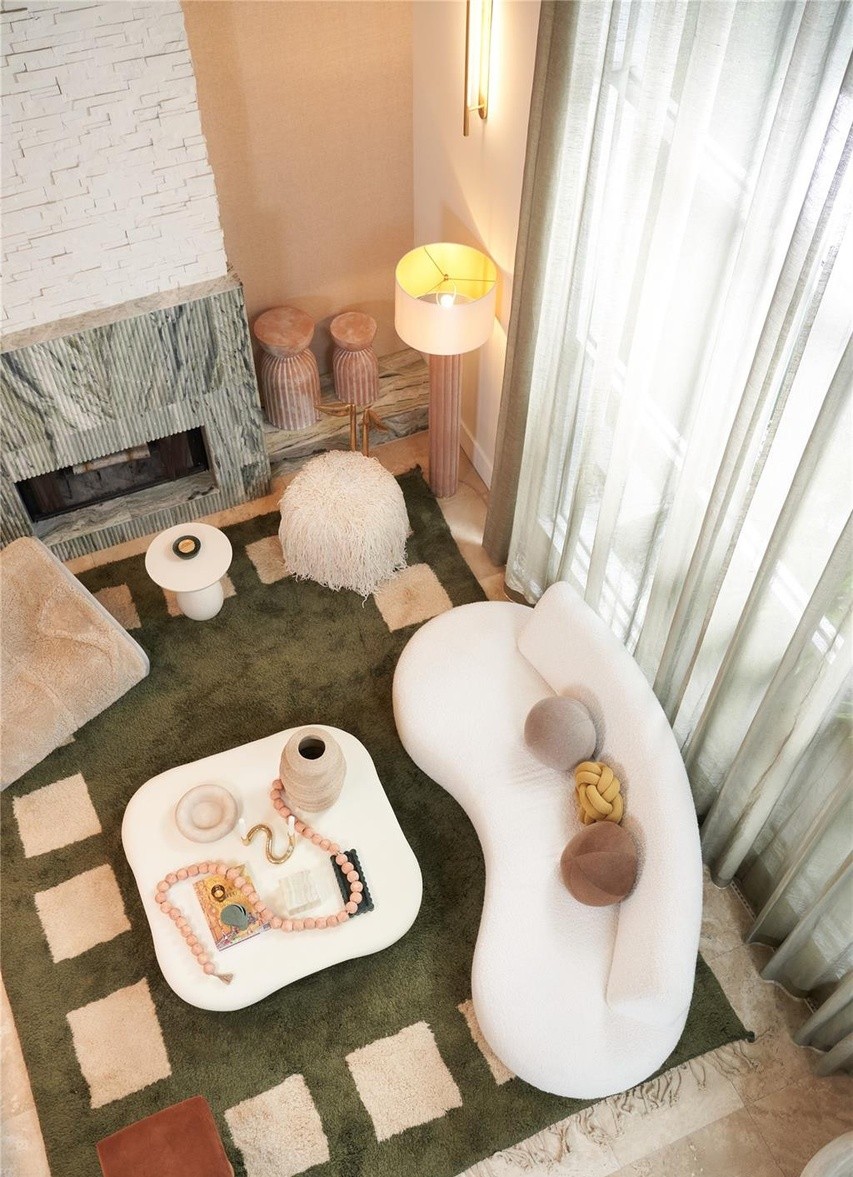
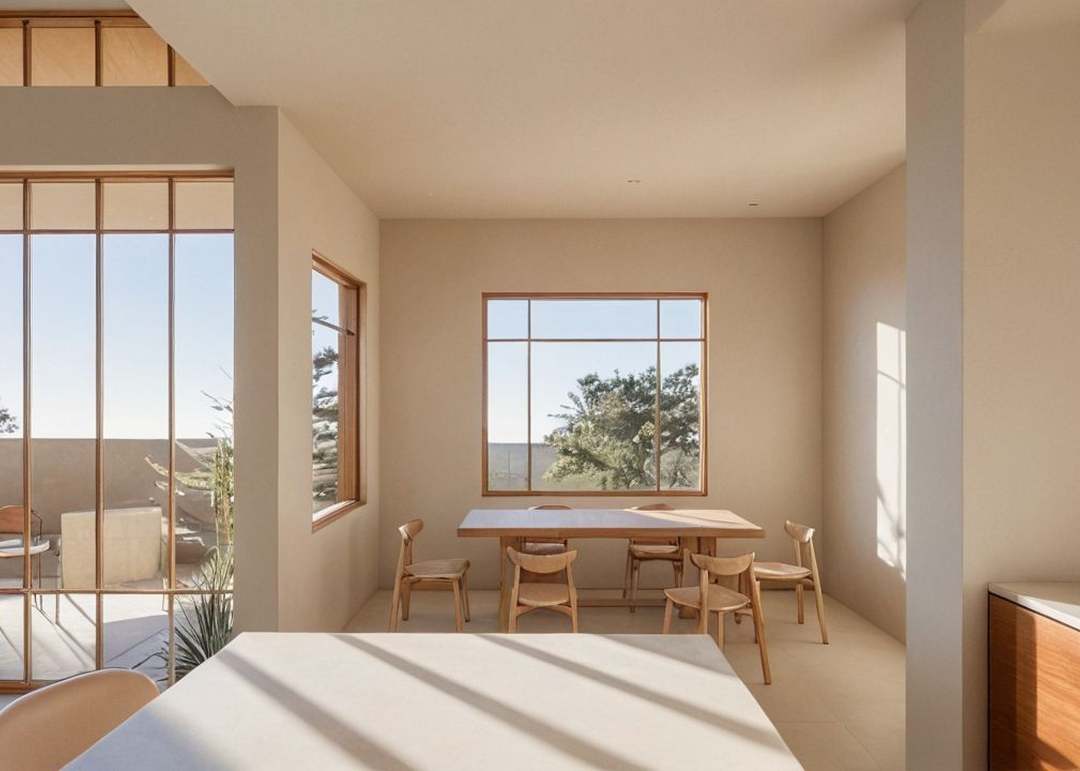
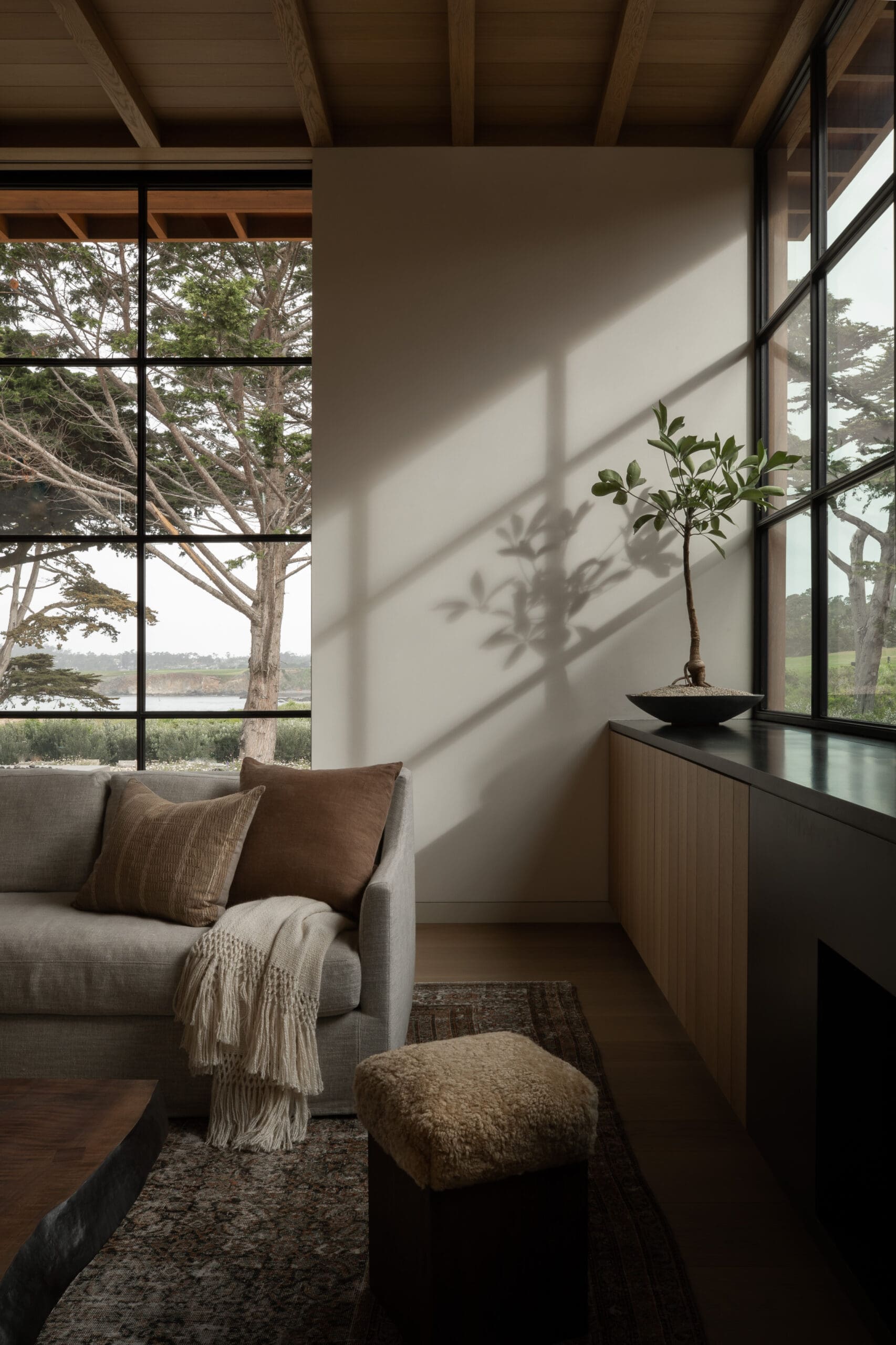
The color palette is muted and nature-derived: warm whites, sand, charcoal, sage, and deep indigo. No bright accents, no high contrast. The palette should feel like it could exist in a forest or on a coastline.
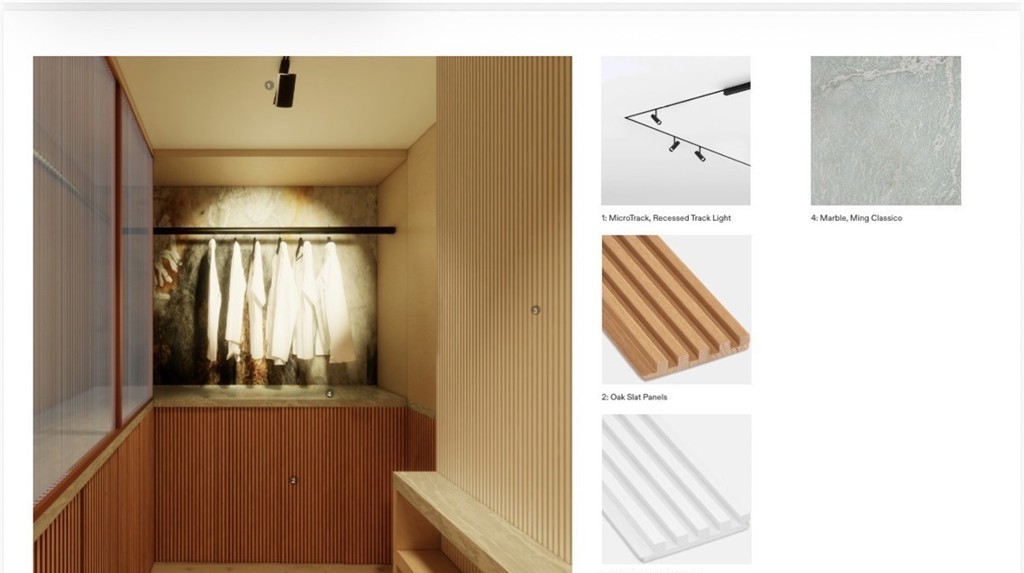
Materials are natural and often left in their raw or lightly finished state: light woods (ash, maple, hinoki), dark woods (walnut, wenge), natural stone, handmade ceramics, linen, and paper. The texture of the material is the decoration.
Furniture is low-profile with clean geometry. Japanese influence shows in platform beds, floor-level seating, and furniture that emphasizes horizontal lines. Scandinavian influence appears in the warmth of the wood tones and the comfort of the upholstery.
Craftsmanship is visible. Joinery details, hand-thrown pottery, woven textiles — the hand of the maker should be present. Mass-produced perfection runs counter to both traditions.
Japandi in Practice
Kitchens: handleless cabinetry in natural wood, integrated appliances, open shelving with curated objects. Stone countertops in muted tones. Nothing on the counter that doesn't serve a daily function.
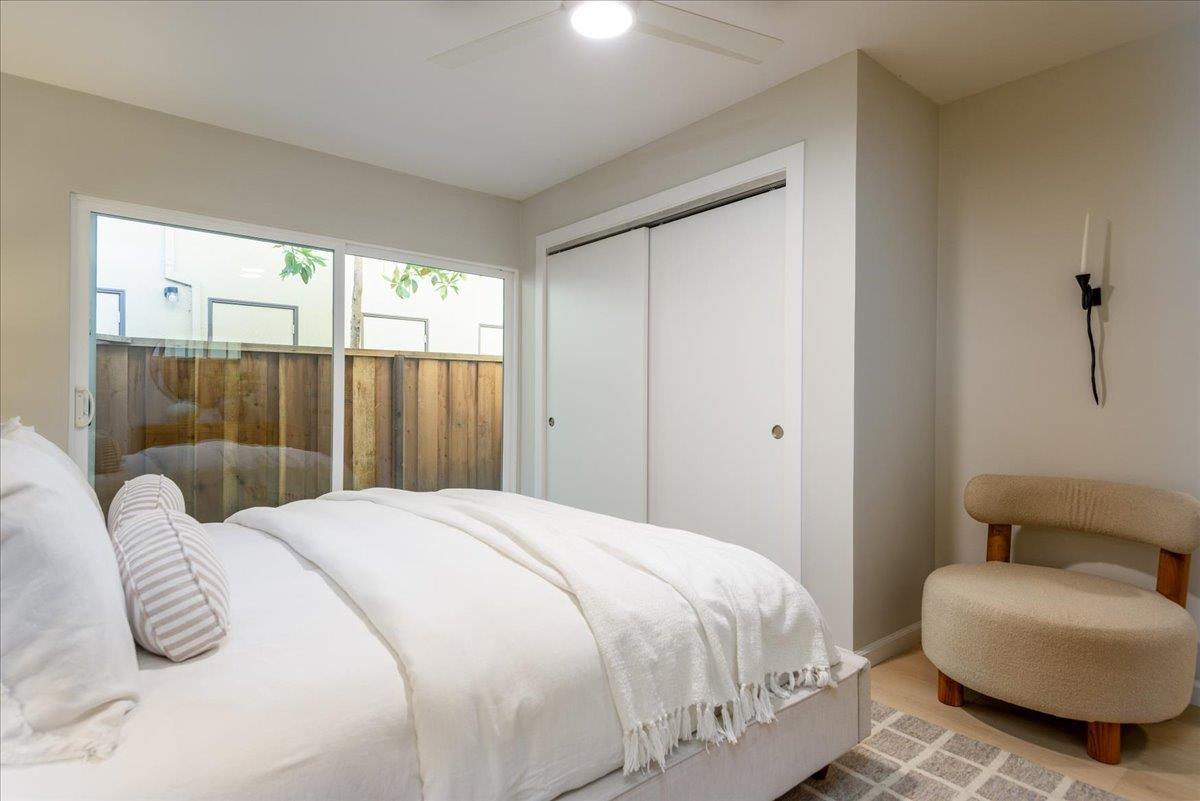
Bedrooms: platform beds in natural wood, linen bedding in undyed or muted colors, minimal bedside surfaces. Lighting is soft and indirect — paper lanterns, recessed cove lights, simple sconces.
Bathrooms: soaking tubs (the Japanese ofuro influence), natural stone in honed or flamed finishes, wood accents in water-resistant species like teak or hinoki. The feeling is onsen, not spa.