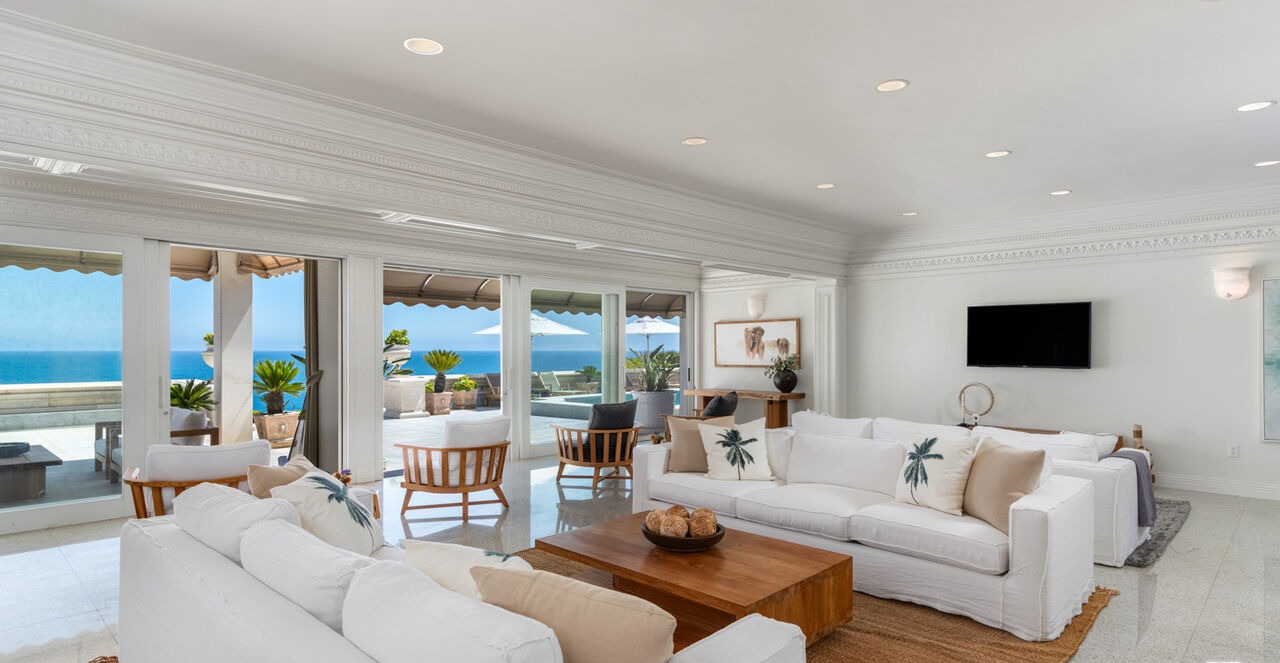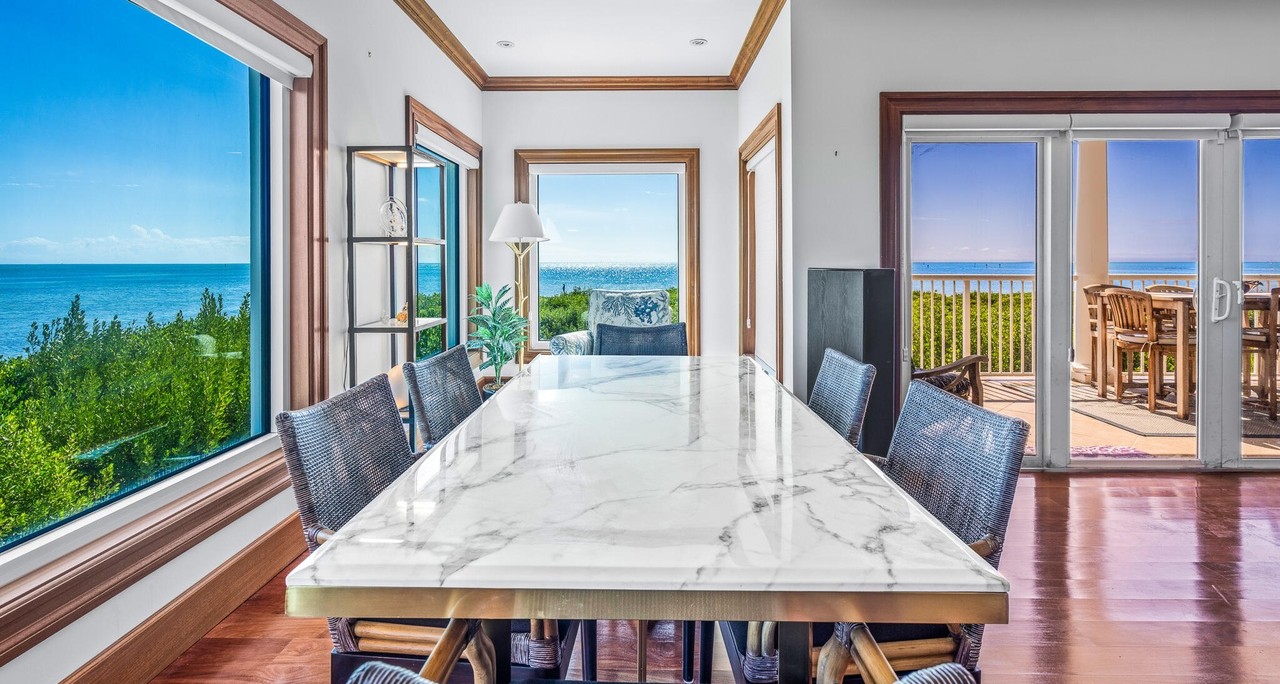
Hardwood vs Tile Flooring: Which Belongs in Your Luxury Home?
Two Great Options, Different Strengths
Hardwood and tile are both premium flooring choices, but they create fundamentally different atmospheres. Hardwood brings warmth, acoustic softness, and organic texture. Tile (natural stone or porcelain) brings coolness, water resistance, and permanence.
The room matters more than personal preference. Some spaces clearly favor one over the other.
Room-by-Room Guidance
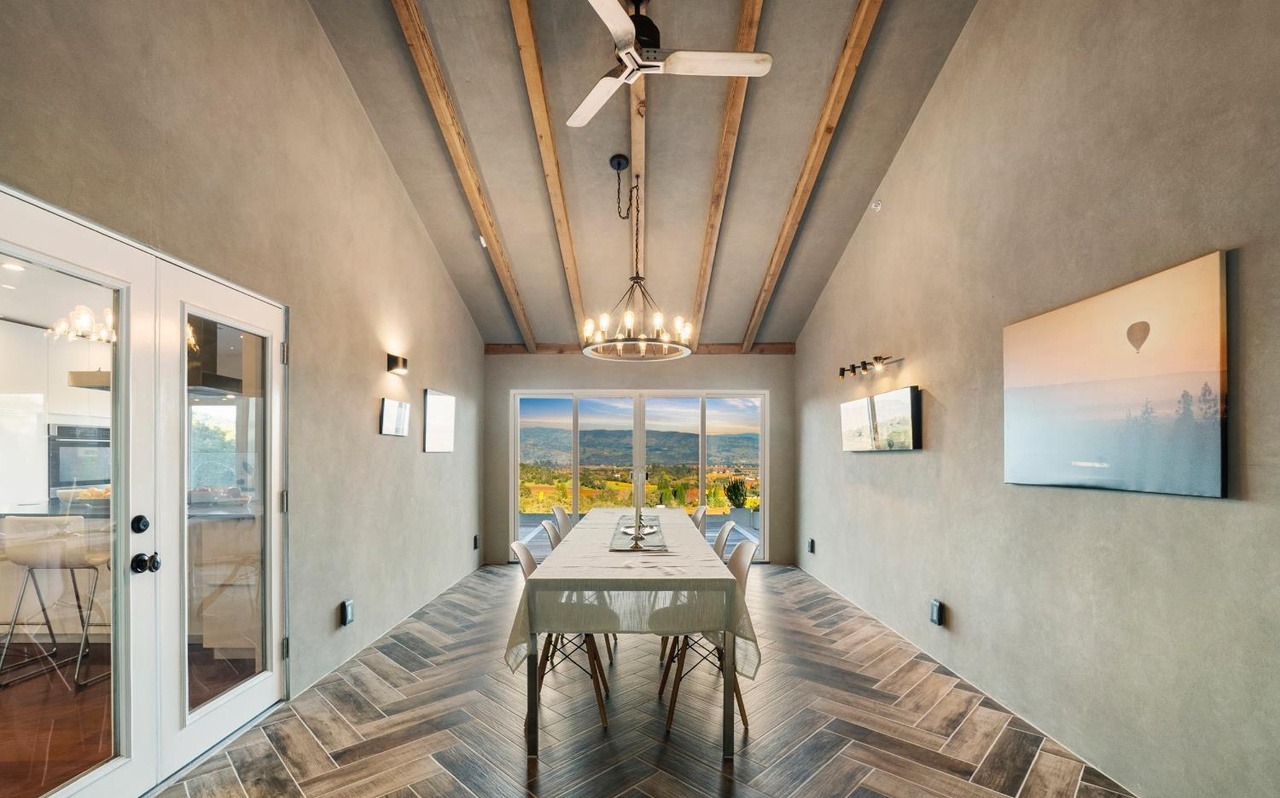
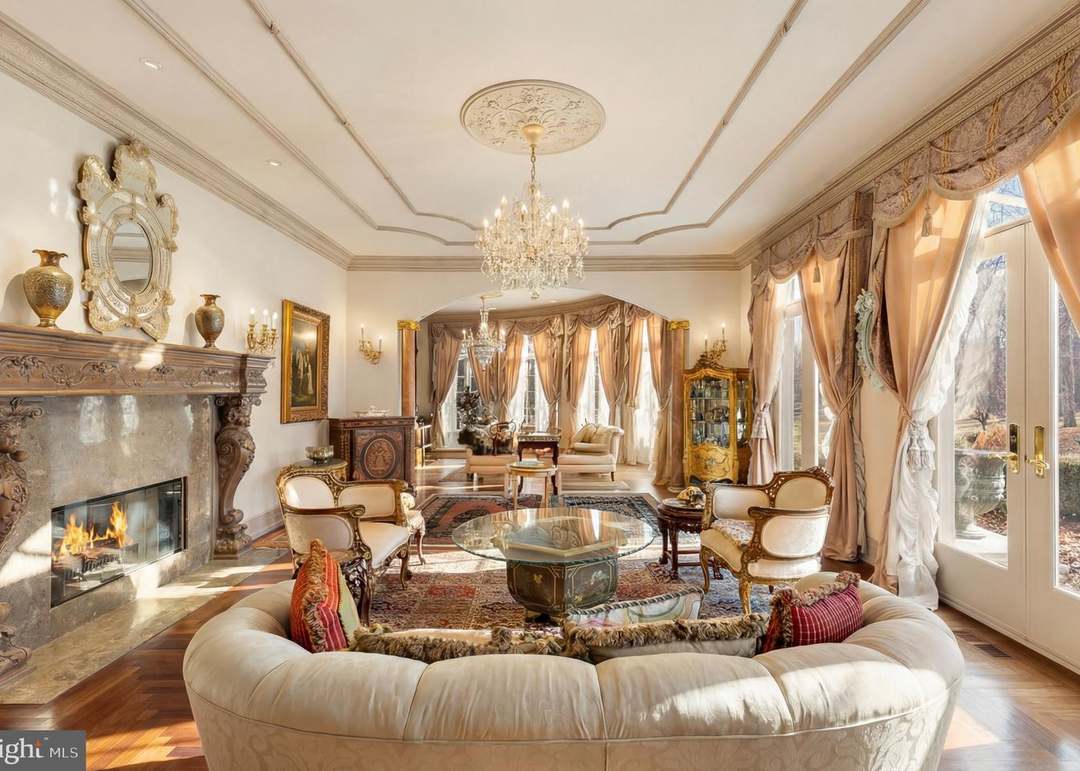
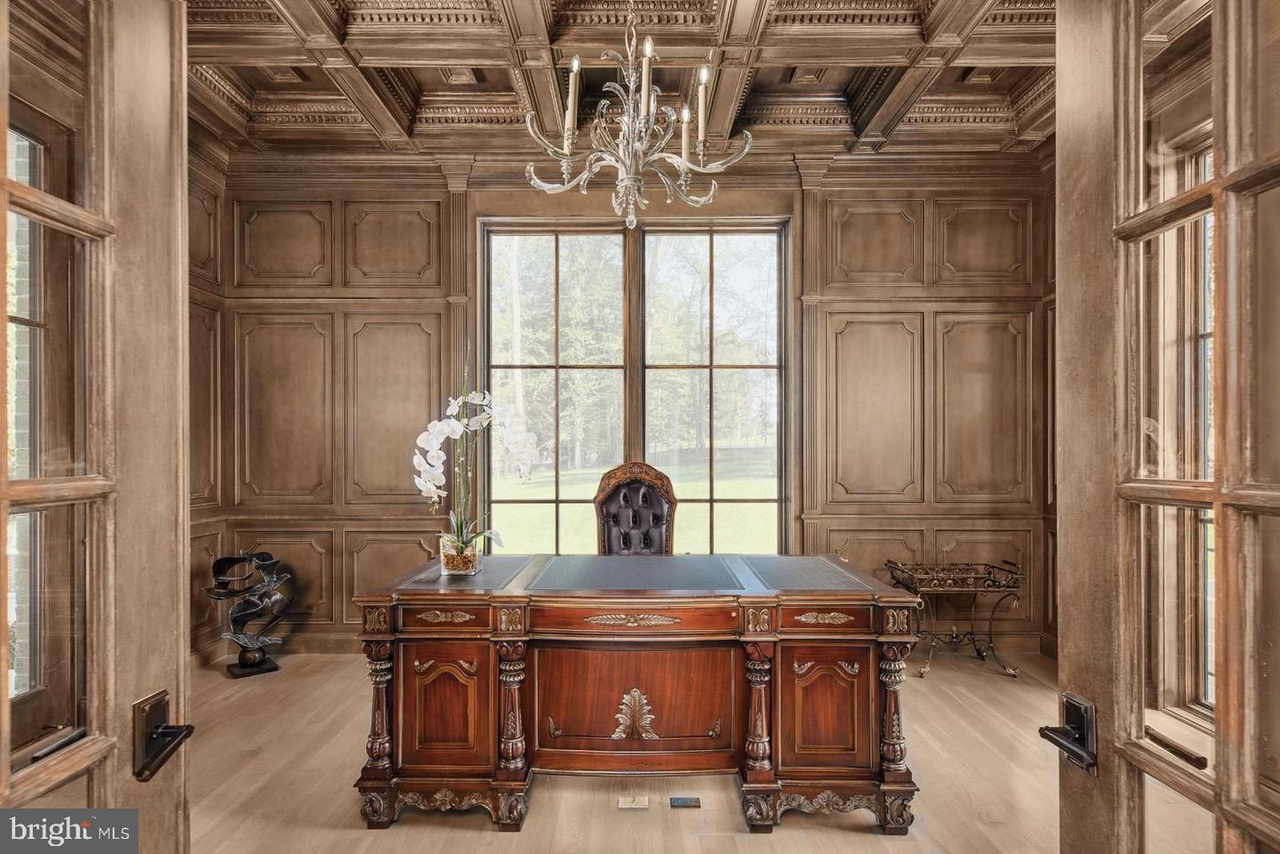
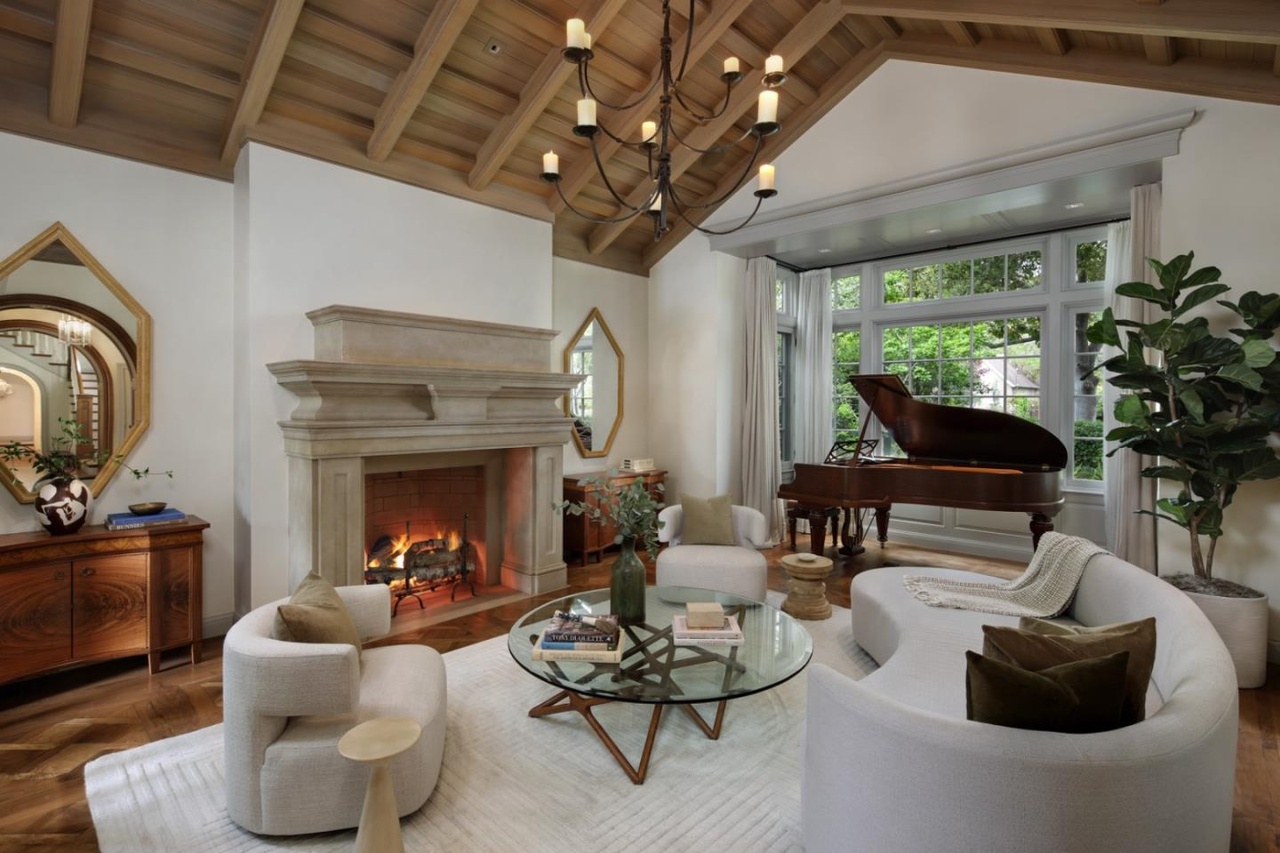
Living rooms, bedrooms, hallways, and home offices: hardwood is the default. The warmth underfoot and acoustic properties make these spaces more comfortable. Radiant heating under hardwood eliminates the cold-floor concern.
Bathrooms, laundry rooms, and mudrooms: tile wins. Water exposure makes hardwood risky (warping, staining) unless you're prepared for vigilant maintenance. Natural stone tile in these rooms ties back to stone countertops elsewhere.
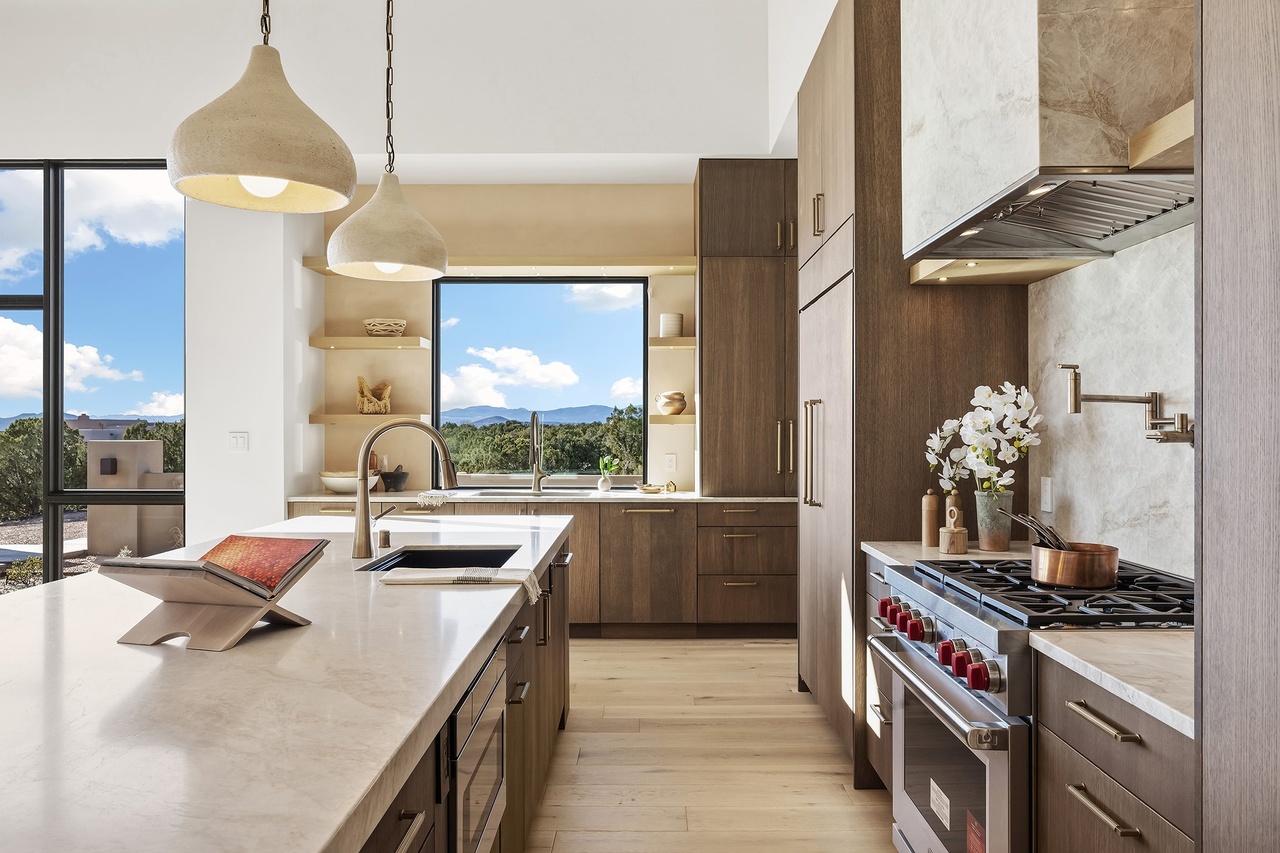
Kitchens: genuinely either. Hardwood creates warmth and continuity with adjacent living spaces. Tile (especially large-format porcelain) is more durable against spills and dropped items. Many luxury kitchens use hardwood to match the great room and accept the trade-off.
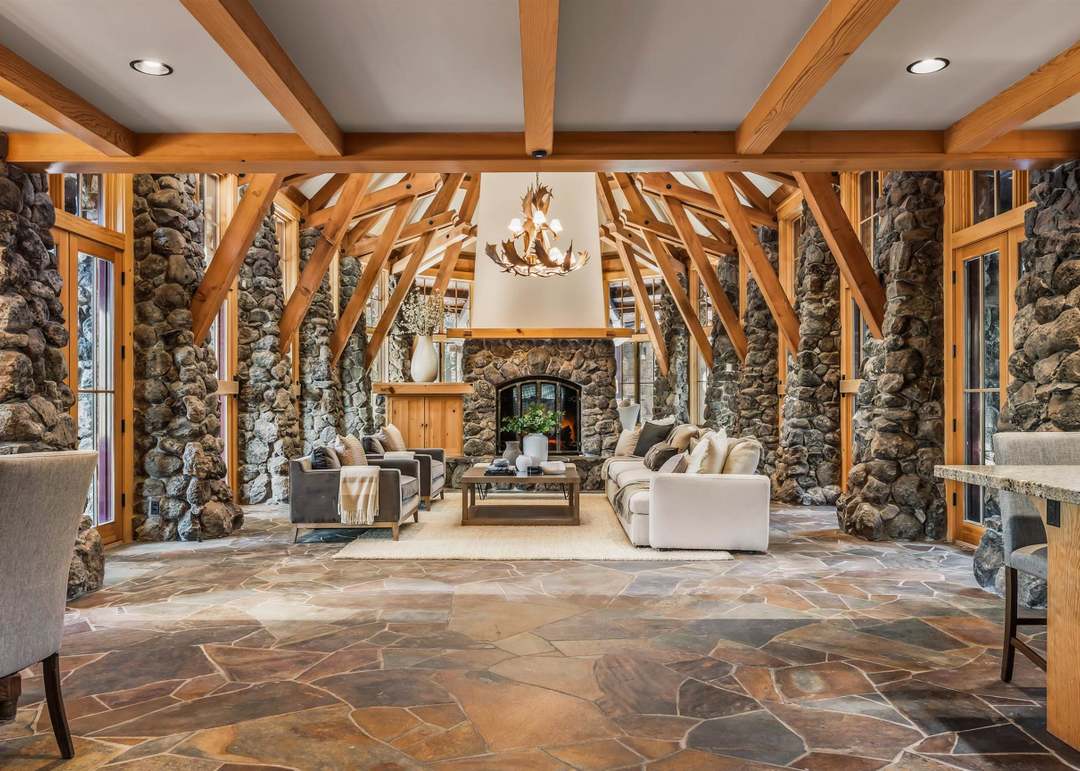
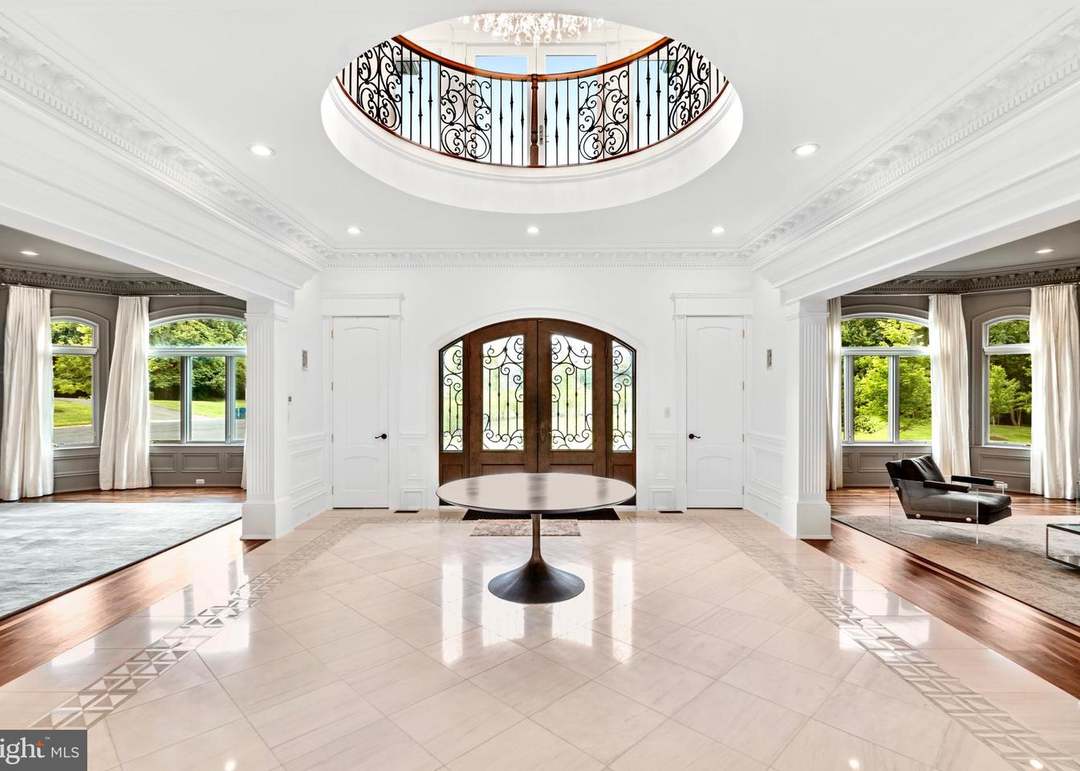
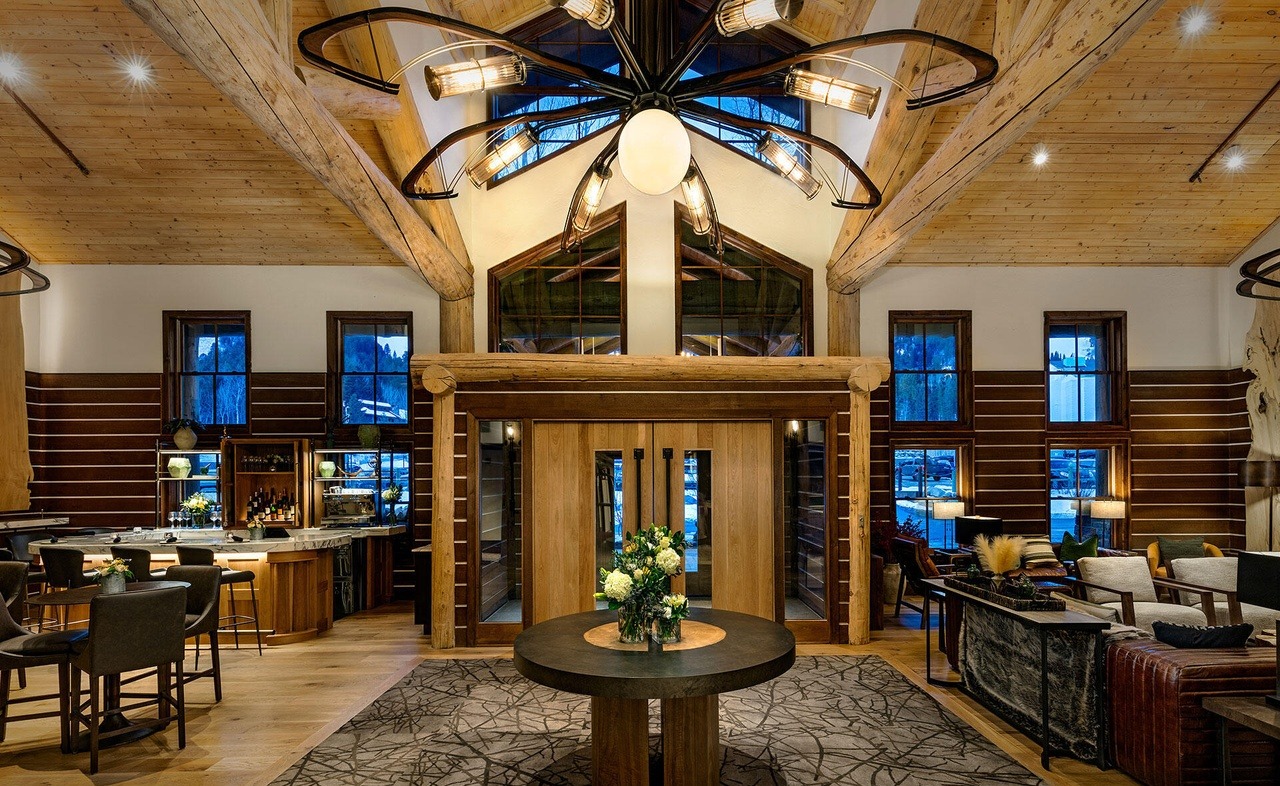
Entries: tile or stone signals arrival and handles shoe traffic. A transition to hardwood in the main living areas creates a natural threshold.
Cost Comparison at Luxury Spec
Both materials span a wide price range, but at luxury specification they converge. Wide-plank white oak hardwood: $12-25/sq ft installed. Large-format natural stone tile: $15-35/sq ft installed. Premium porcelain tile (stone-look, 24x48"): $10-20/sq ft installed.
The real cost difference is longevity. A quality hardwood floor can be sanded and refinished 3-5 times over 50+ years. Natural stone lasts essentially forever. Porcelain tile lasts 25-50 years but cannot be refinished. All are lifetime investments at these price points.