Contemporary Interior Design: Clean Lines, Bold Statements
Contemporary vs Modern: The Distinction
Contemporary design is often confused with modern, but they're different. Modern refers to a specific historical movement (mid-century modern, Bauhaus). Contemporary means "of the moment" — it's the evolving edge of design that borrows from multiple traditions without being defined by any one.
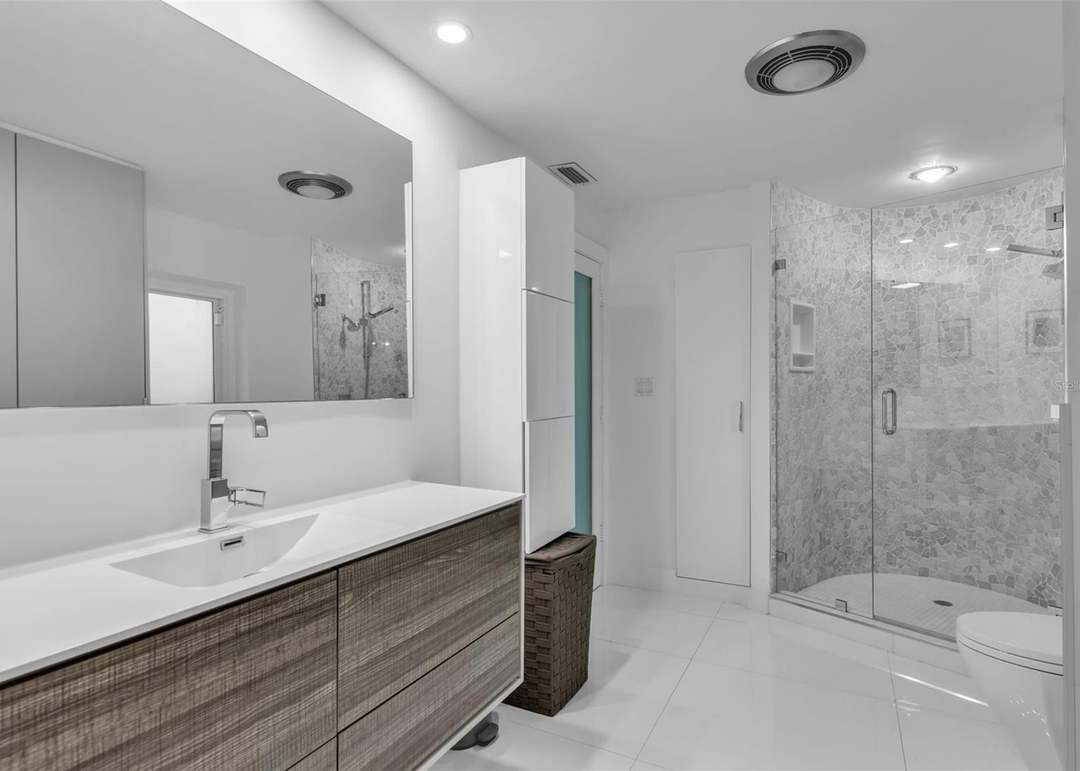
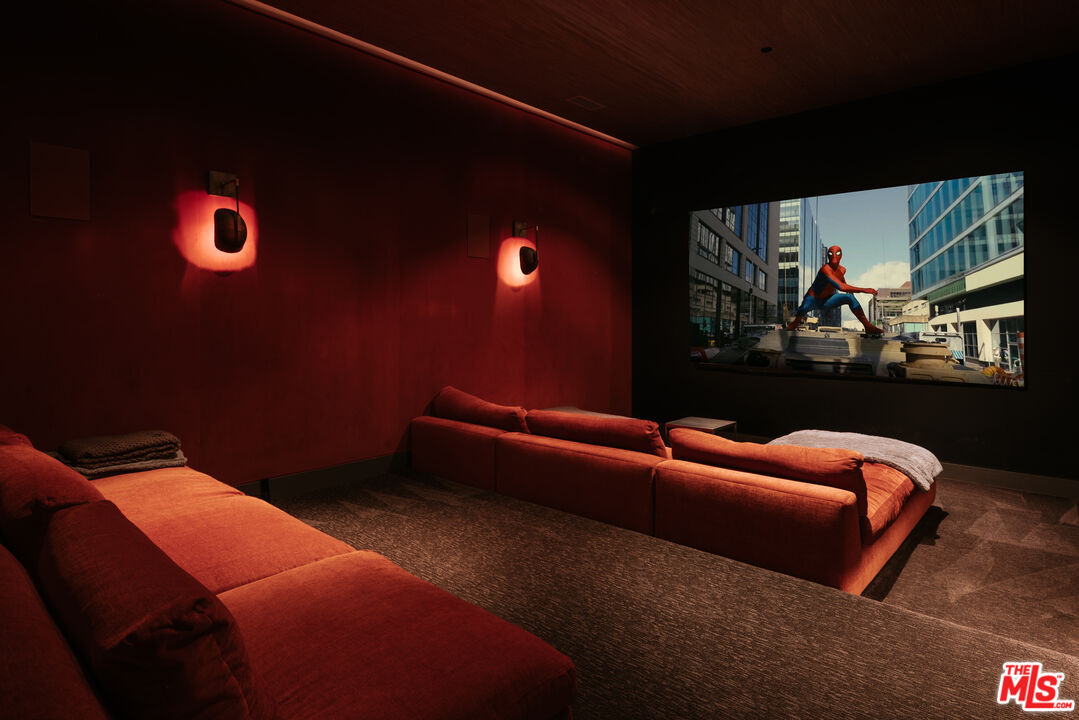
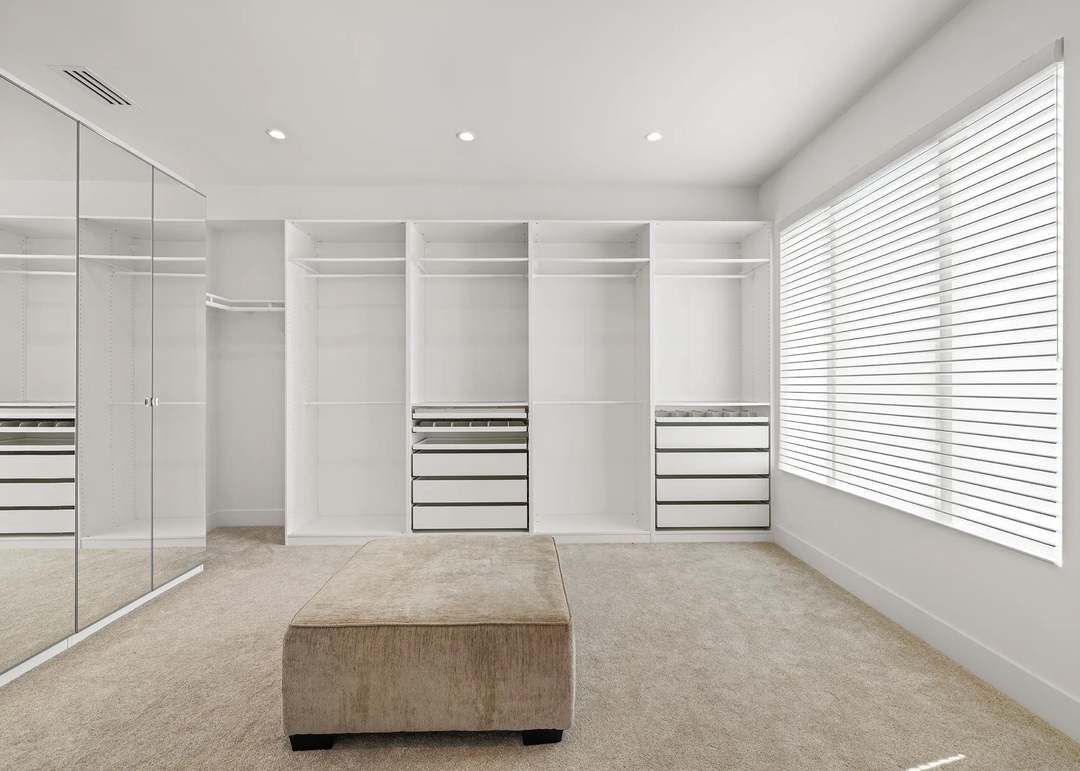
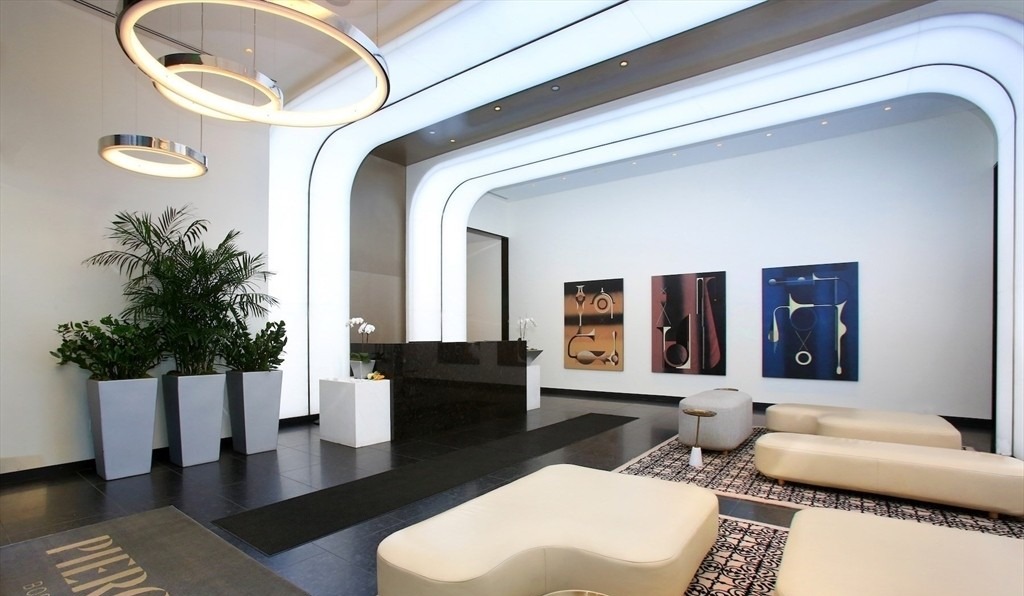
In practice, contemporary interiors are cleaner than transitional, warmer than minimalist, and bolder than organic modern. They embrace architectural drama — cantilevered volumes, floor-to-ceiling glass, dramatic double-height spaces — while keeping interiors restrained and material-focused.
Material as Statement
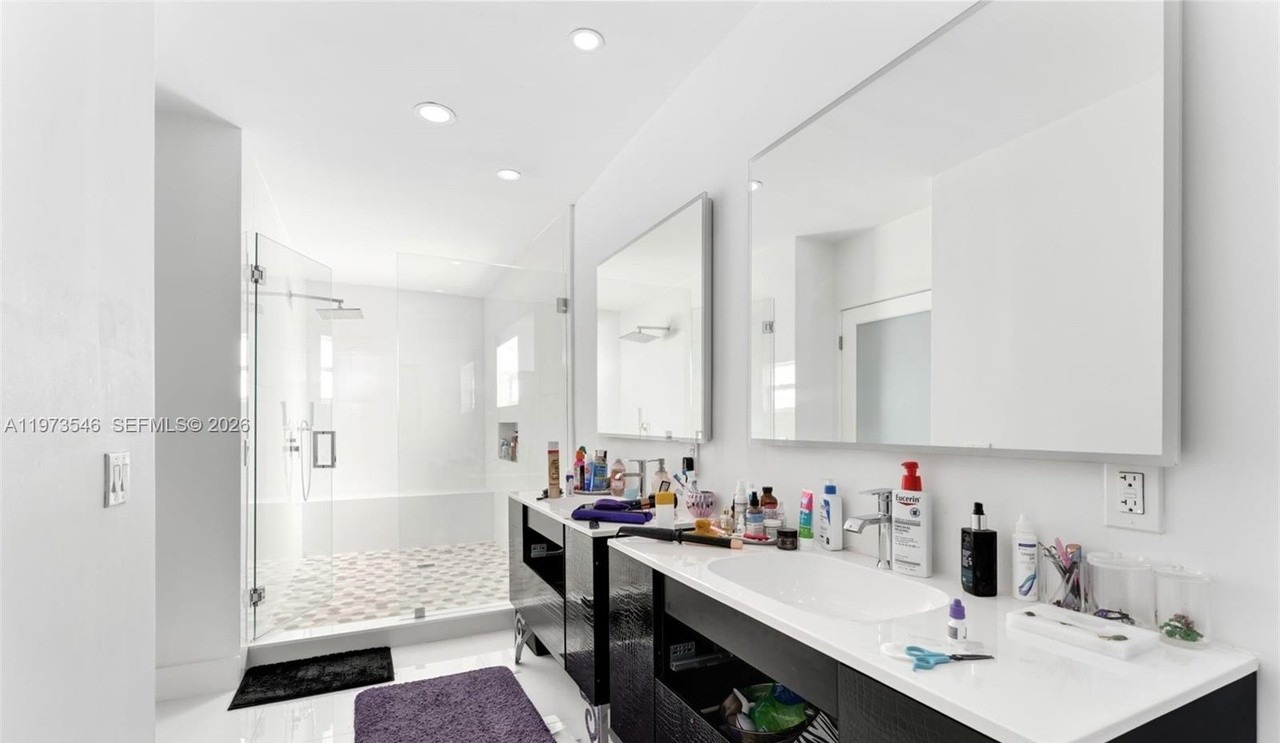
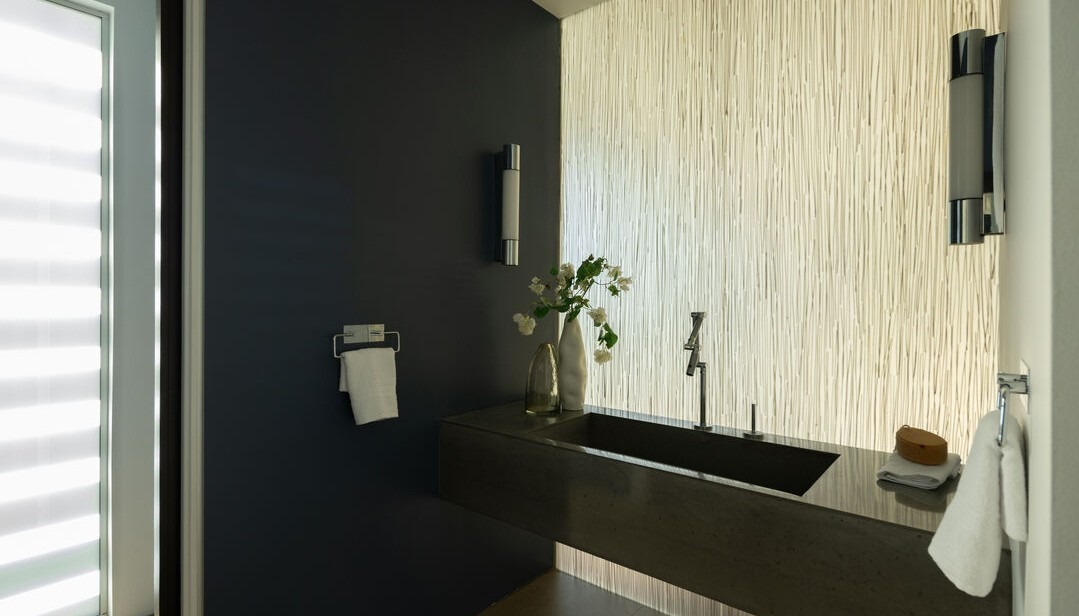
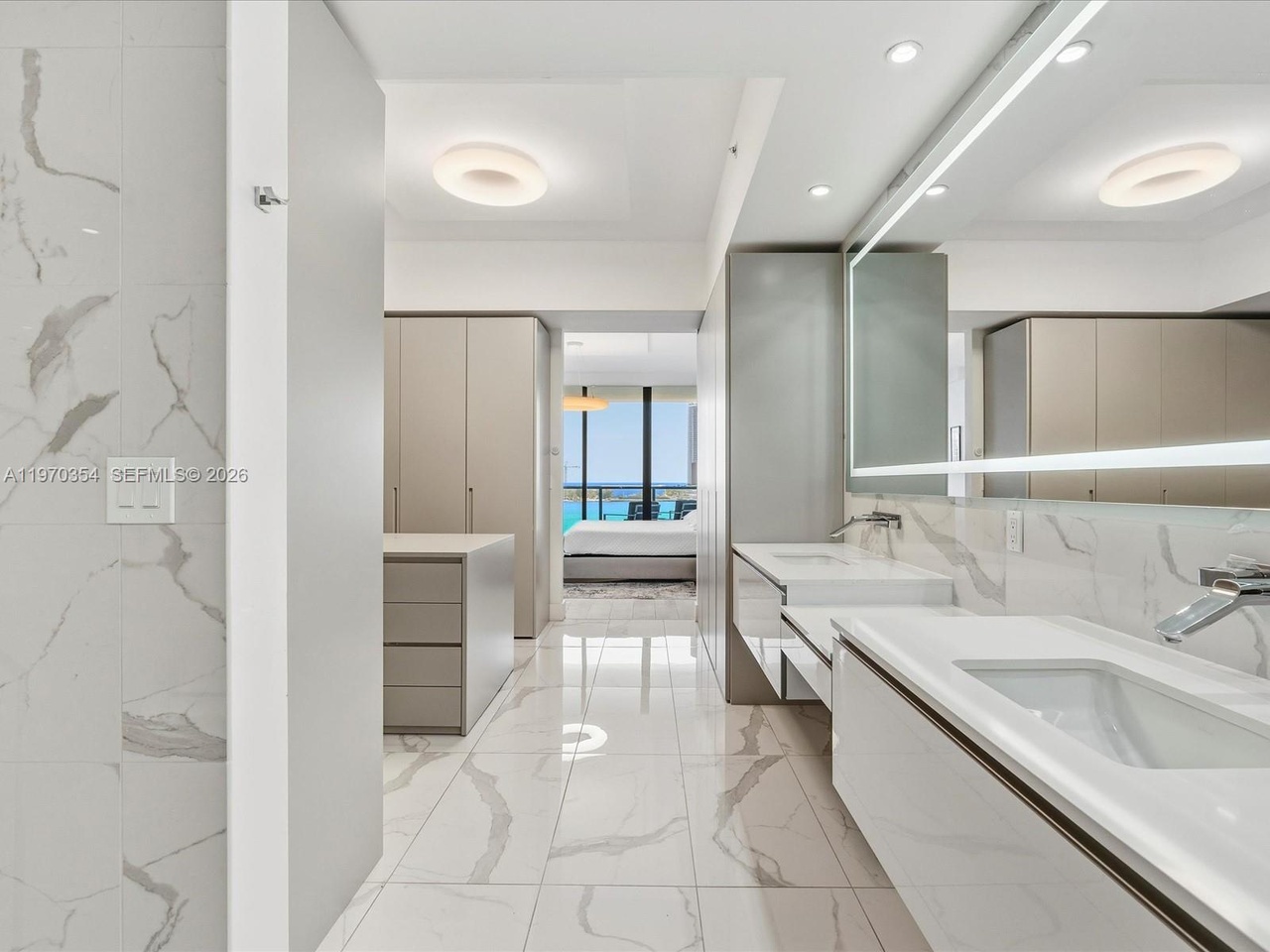
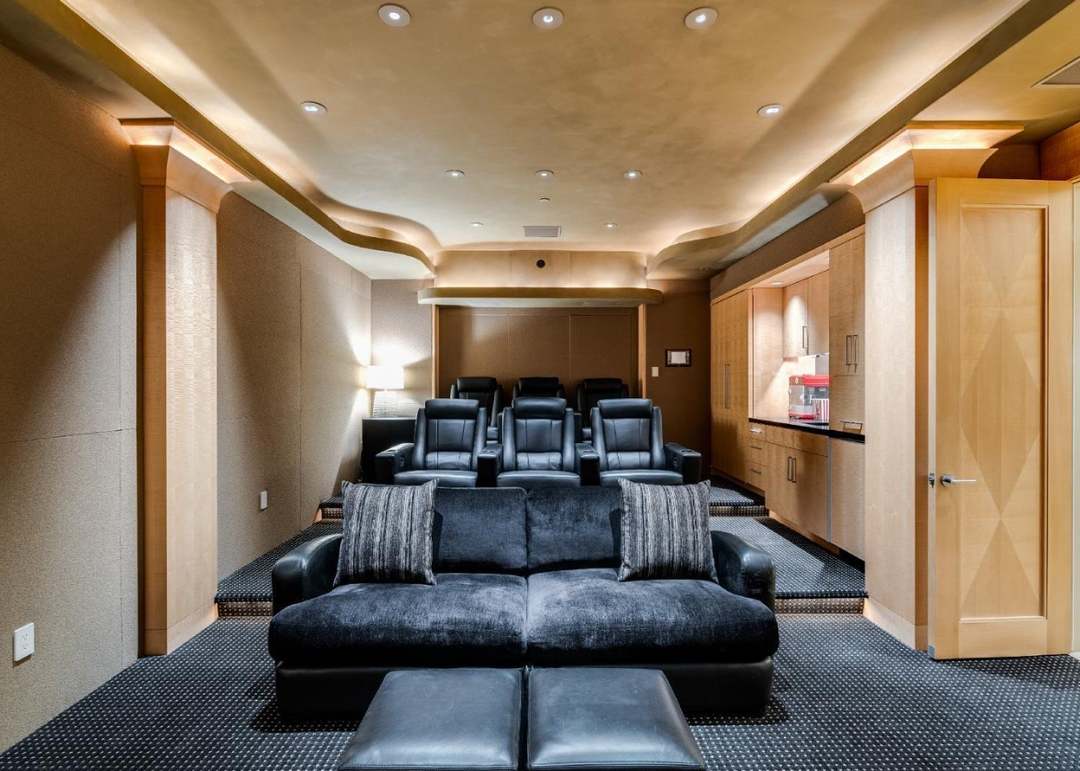
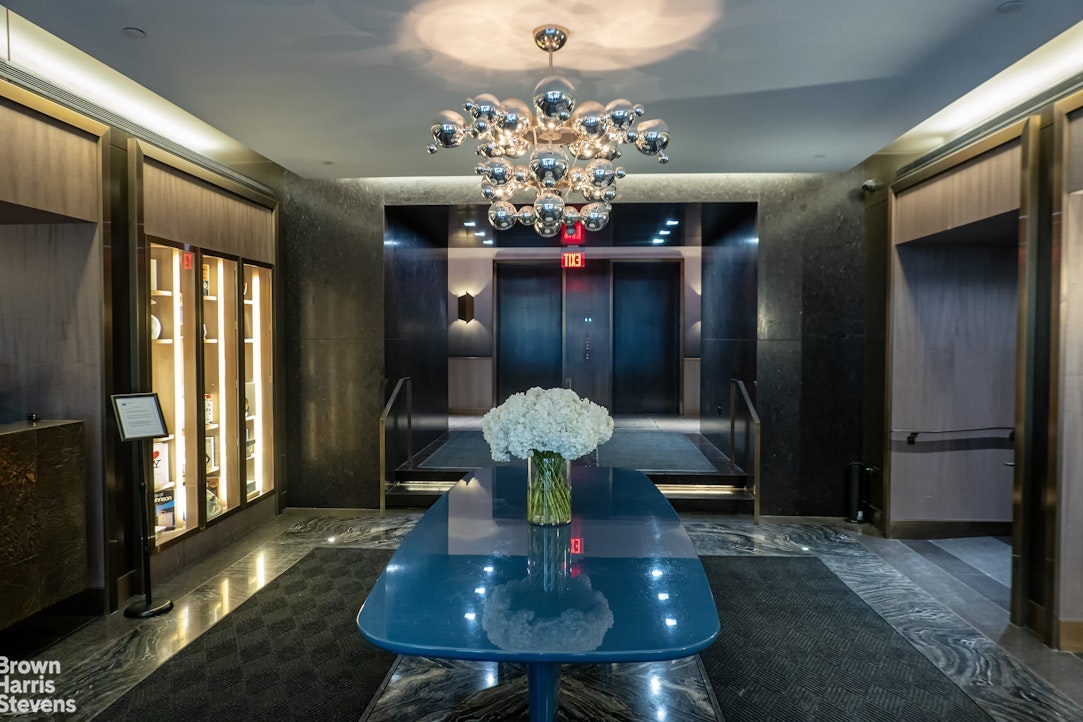
In contemporary design, materials do the talking. A bookmatched stone slab fireplace, a concrete partition wall, a bronze-clad kitchen island — each is a singular statement that anchors the room. The rest of the space stays quiet to let the statement breathe.
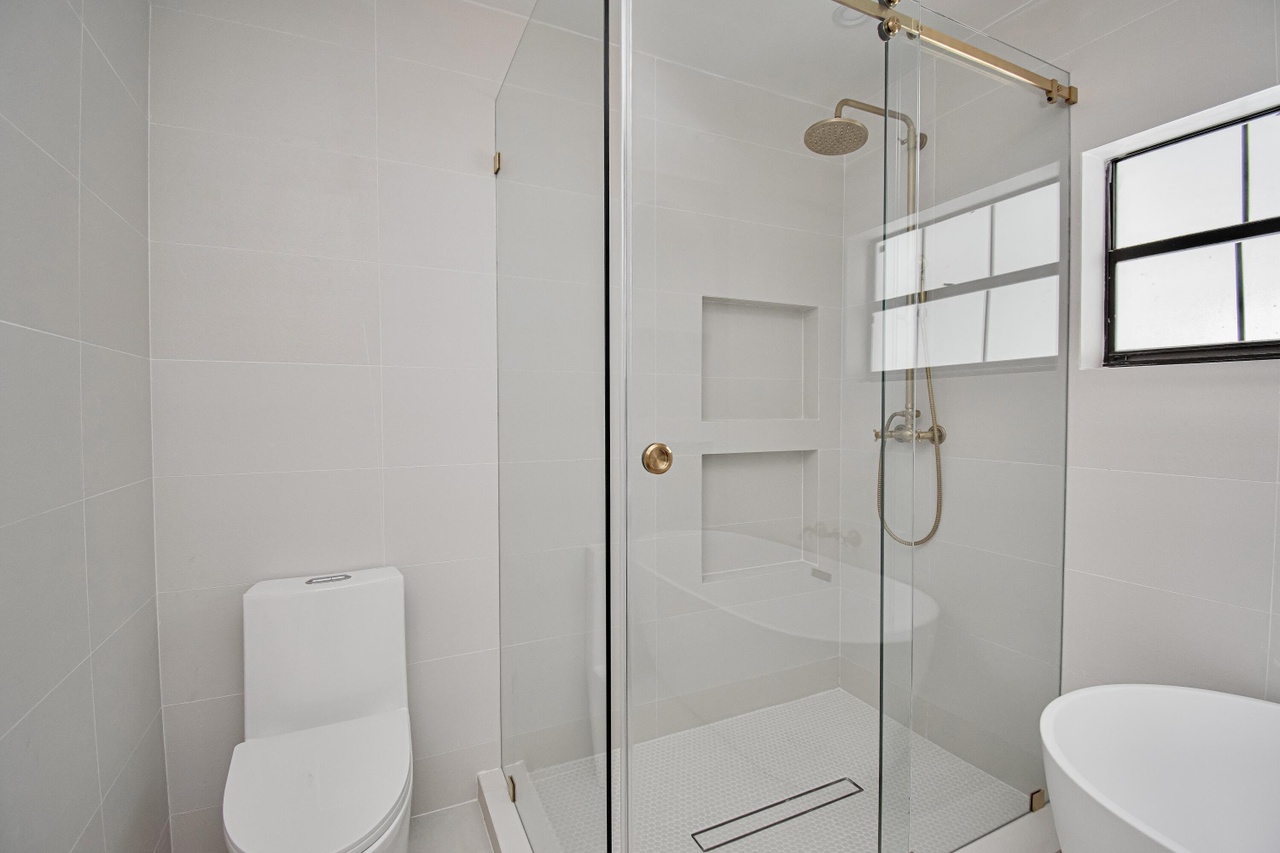
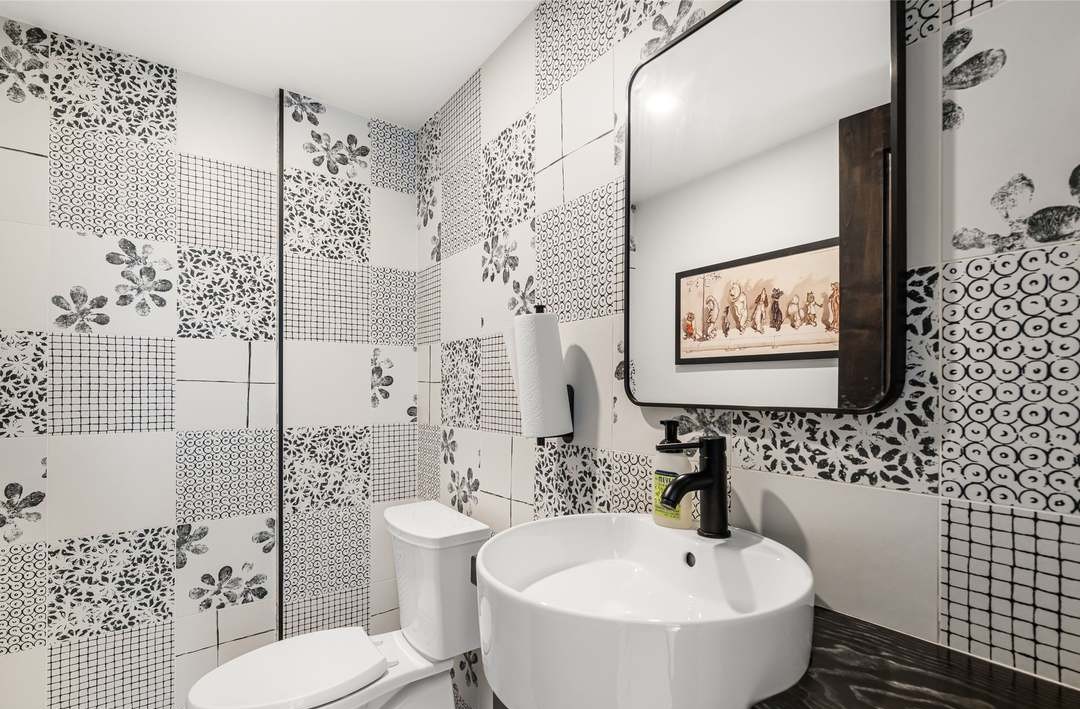
The palette tends toward high contrast: dark floors with white walls, black window frames against light interiors, dramatic stone veining on neutral backgrounds. This contrast creates visual energy without relying on color or pattern.
Living with Contemporary
The knock on contemporary design is that it can feel cold or unlived-in. The fix is texture and craft. A hand-plastered wall, a live-edge wood shelf, a handwoven rug, or a ceramic sculpture introduces the human touch that pure architectural surfaces lack.
Furniture selection matters enormously. Each piece needs to be right — in scale, in material, in proportion — because there's nothing to hide behind. A single poorly proportioned sofa or a generic coffee table can undermine the whole room. This is where investing in quality pieces pays off.